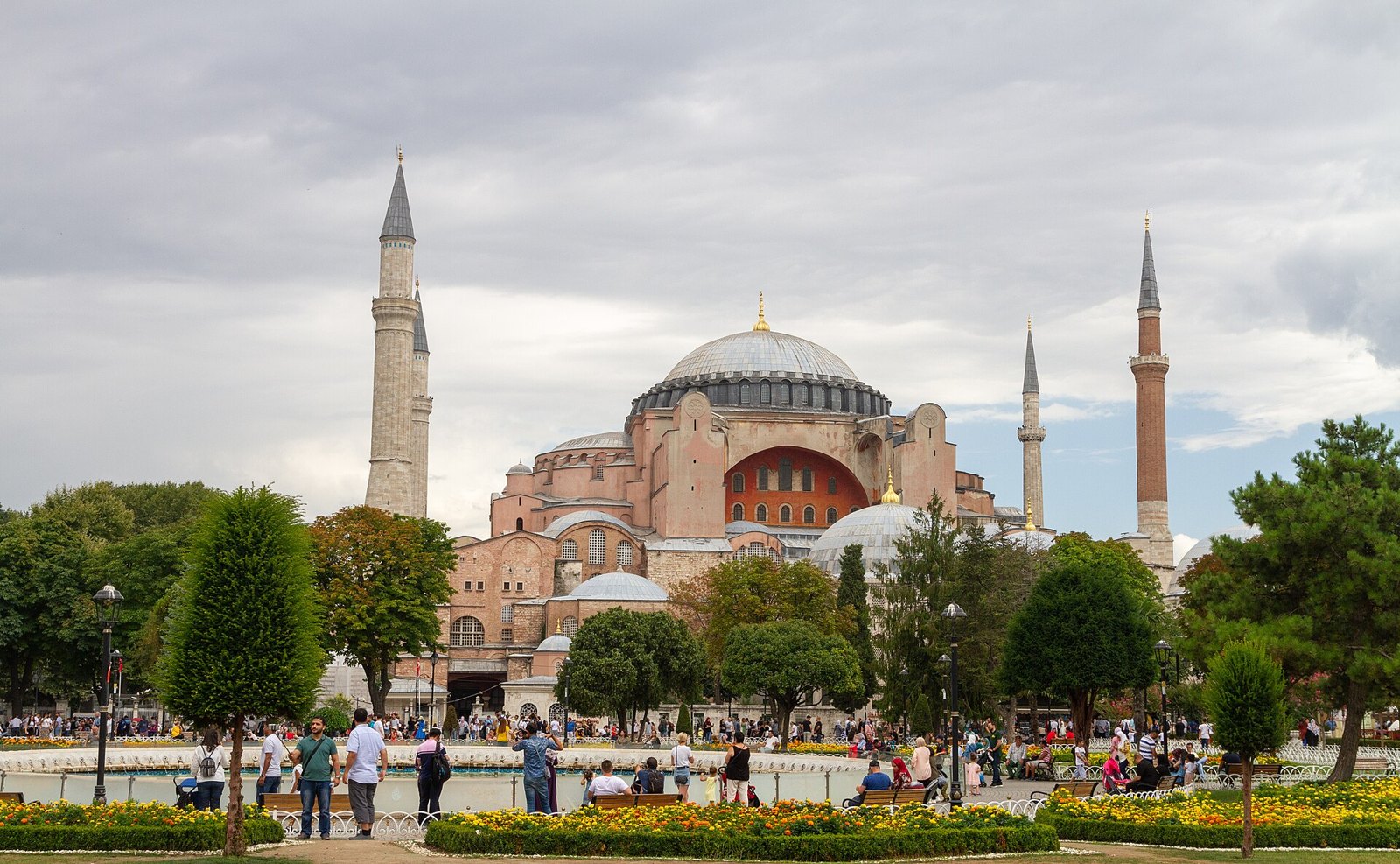
Istanbul’s great mosques, its main bazaars, and several of its best viewpoints genuinely cost nothing to enter. Public ferries, by contrast, are cheap but not free; they run on the same rechargeable transport card as the bus. Walking tours, SIM-card promotions and hotel shuttles marketed as free usually move the cost somewhere the advertising doesn’t mention.
What actually costs nothing
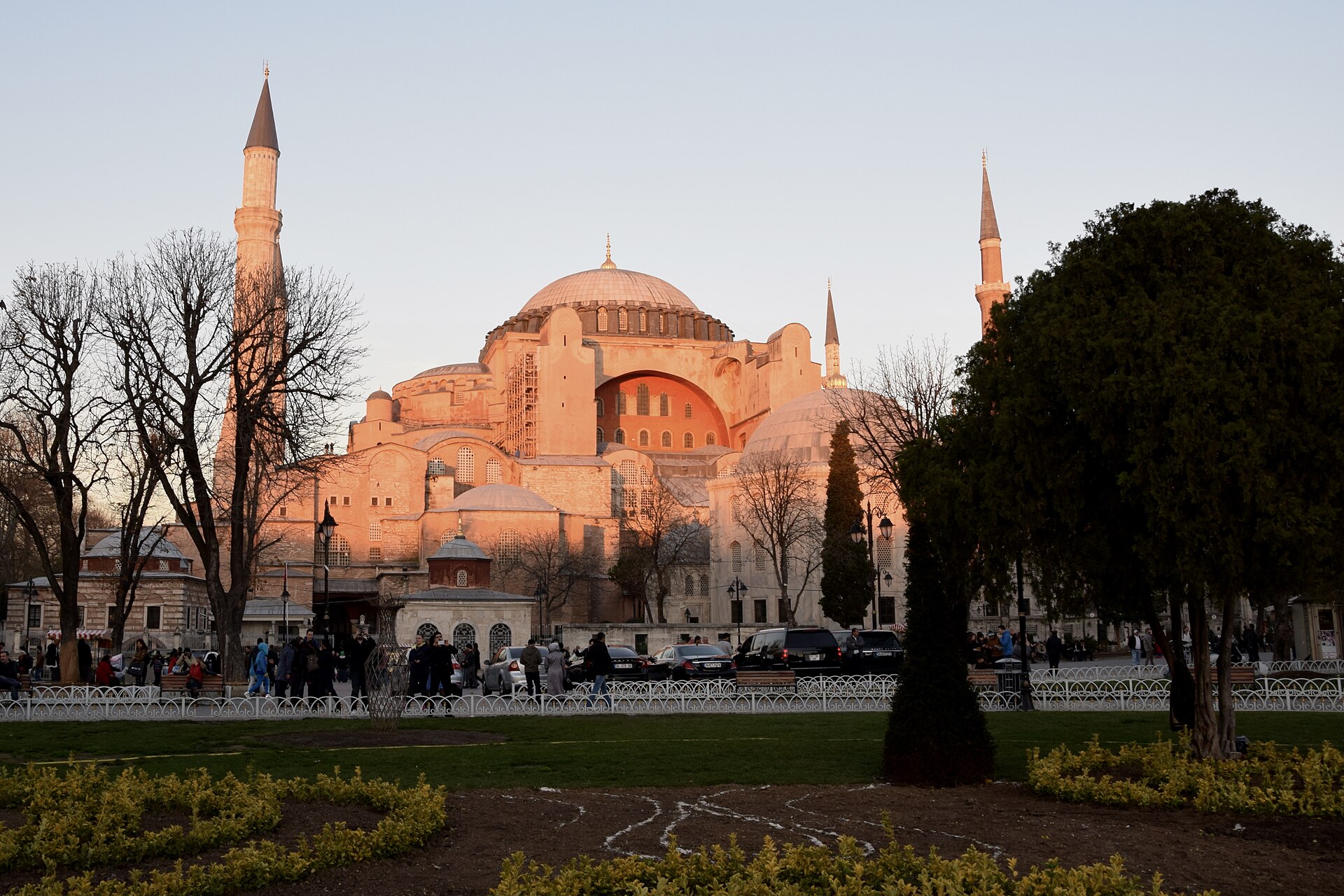
A working mosque charges no admission, anywhere in Istanbul. That includes the Blue Mosque and Hagia Sophia’s prayer floor. The condition of entry isn’t money; it’s behaving like a guest. Shoulders and knees covered, shoes off, hair covered for women, and staying out during the five daily prayers, which move with the sun and can’t be printed as a timetable. The mechanics of that are covered separately on how to visit a working mosque without walking in mid-prayer.
The Grand Bazaar and the Spice Bazaar also charge nothing at the gate. Anyone can walk in, browse, and leave without spending a lira. The catch with the Grand Bazaar isn’t price; it’s the calendar. It closes on Sundays and on public holidays, a fact detailed on this site’s piece on why the Grand Bazaar closes on Sundays.
Several viewpoints are free in the same way: the hilltop itself has no gate. UNESCO inscribed the historic peninsula of Istanbul as a World Heritage Site in 1985, a status that protects buildings but doesn’t set who charges what inside them; a site being on that list says nothing about its ticket price.
Ten claims, rated
These are the lines a visitor hears repeatedly, rated against what the structure of each one actually does.
| Claim | Rating | The hidden cost |
|---|---|---|
| Free walking tours | Free-with-catch | Joining costs nothing upfront; the guide’s income is the tip collected at the end. Most operators post a suggested range on their own booking page, and tours rarely end without one being expected. |
| Museum-pass “free entry” days | Not actually free | A multi-museum pass is paid upfront, not free, and excludes some separately ticketed sections, such as Topkapı Palace’s Harem. A genuinely free day, International Museum Day on 18 May, is set by ICOM and participation by Turkish state sites varies year to year. |
| Mosque visits | Free | None in cash. The cost is dress and timing, not money. |
| Public toilets | Not actually free | Most municipal and bazaar toilets charge a small coin fee at the door. Carry change. |
| Çamlıca and Pierre Loti viewpoints | Free-with-catch | Both hilltops are open without a ticket. The cable car up to Pierre Loti is a separate paid ride, and Çamlıca sits well off the tram network, so getting there costs a bus or taxi fare the view itself doesn’t. |
| Ferry transfers on İstanbulkart | Free-with-catch | The card discounts a transfer made within a set window; it doesn’t waive it. The saving shrinks with each extra leg and resets once the window closes. |
| Airport SIM promotions | Not actually free | A free SIM card is often a loss-leader. Activation usually needs a minimum top-up and passport registration, and Turkiye’s handset rules can affect a foreign SIM used past a set period — worth checking with the carrier directly. |
| Hotel “free” shuttle | Free-with-catch | Nothing extra at boarding, but the cost sits inside the room rate or a minimum booking, and the shuttle usually runs one fixed route on a fixed schedule, not on demand. |
| Grand Bazaar entry | Free | None to walk in. The real cost of a poorly planned visit is arriving on a Sunday. |
| Bosphorus-side park swimming | Not actually free / context-dependent | The park itself is free to sit in. Where the city runs a staffed beach or pool along the Marmara shore, it charges an entry fee set by the municipality. |
The two that trip people up most
Free walking tours run on tips, not charity. The guide isn’t a volunteer; the company usually doesn’t pay a wage, and the posted tip range on the operator’s own site is the actual price of the tour, just deferred until the end. Treat it as a fare with a flexible number, not a gift.
Museum passes are the other one. They’re sold as savings, and for someone visiting four or five sites in a few days they can be. But a pass is paid in full before any door opens, it excludes some of the most visited single rooms in the city, and it has nothing to do with the two-tier pricing that already applies to state museums for foreign visitors — a separate subject covered on this site’s page about cards, cash and the two-tier museum price.
How to tell free from free-with-catch
One question does most of the work: who is paid, and by whom, if the thing is actually free? A mosque charges no admission because that is how mosques have always worked; no guide, driver or salesperson is standing at the door waiting on a tip. A government building with no gate and no ticket window is free by design. Where a private company calls something free — a shuttle, a SIM, a tour — the cost hasn’t disappeared. It has moved somewhere less visible: a tip, a booking fee, a restriction on who qualifies, a minimum spend attached somewhere else.
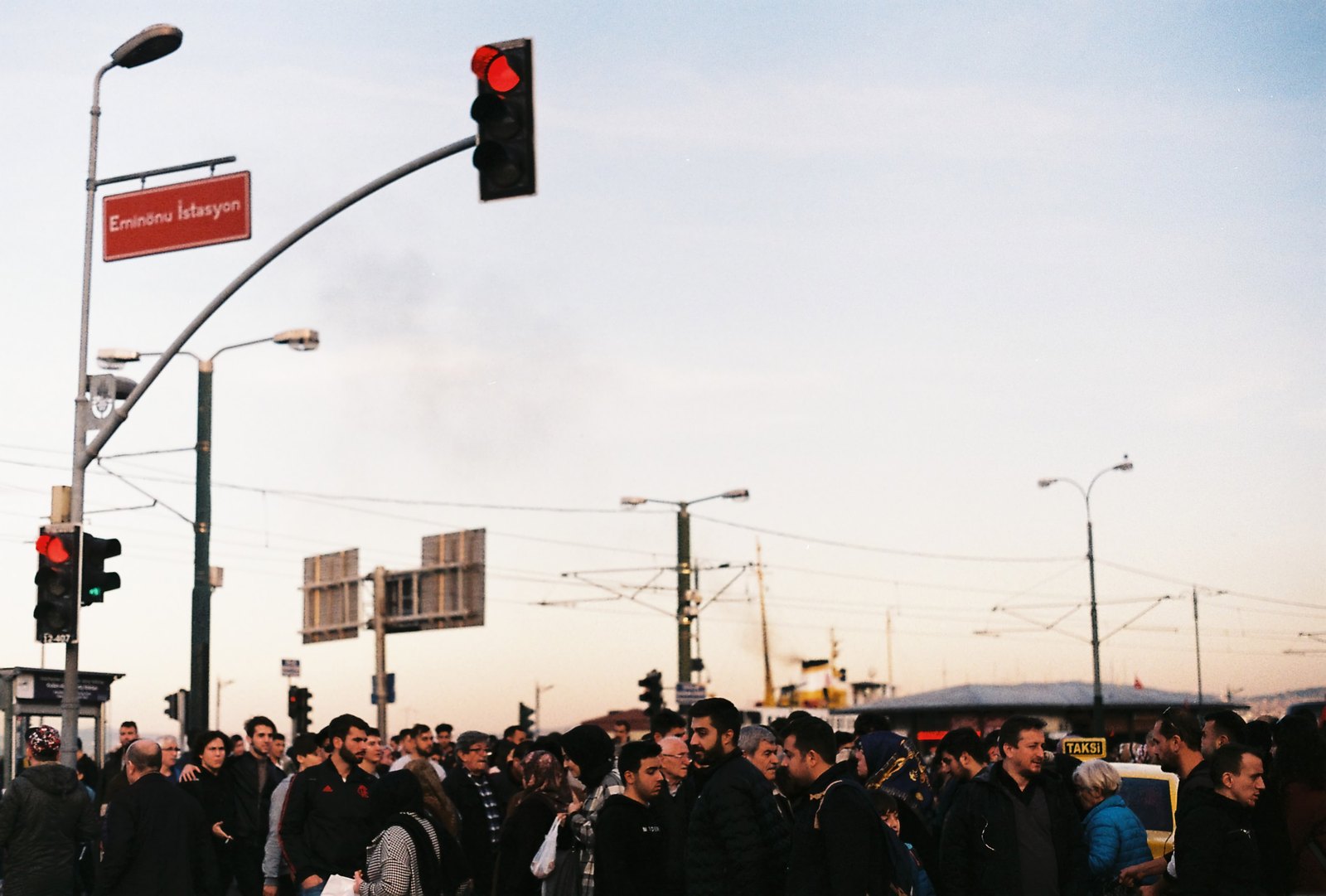
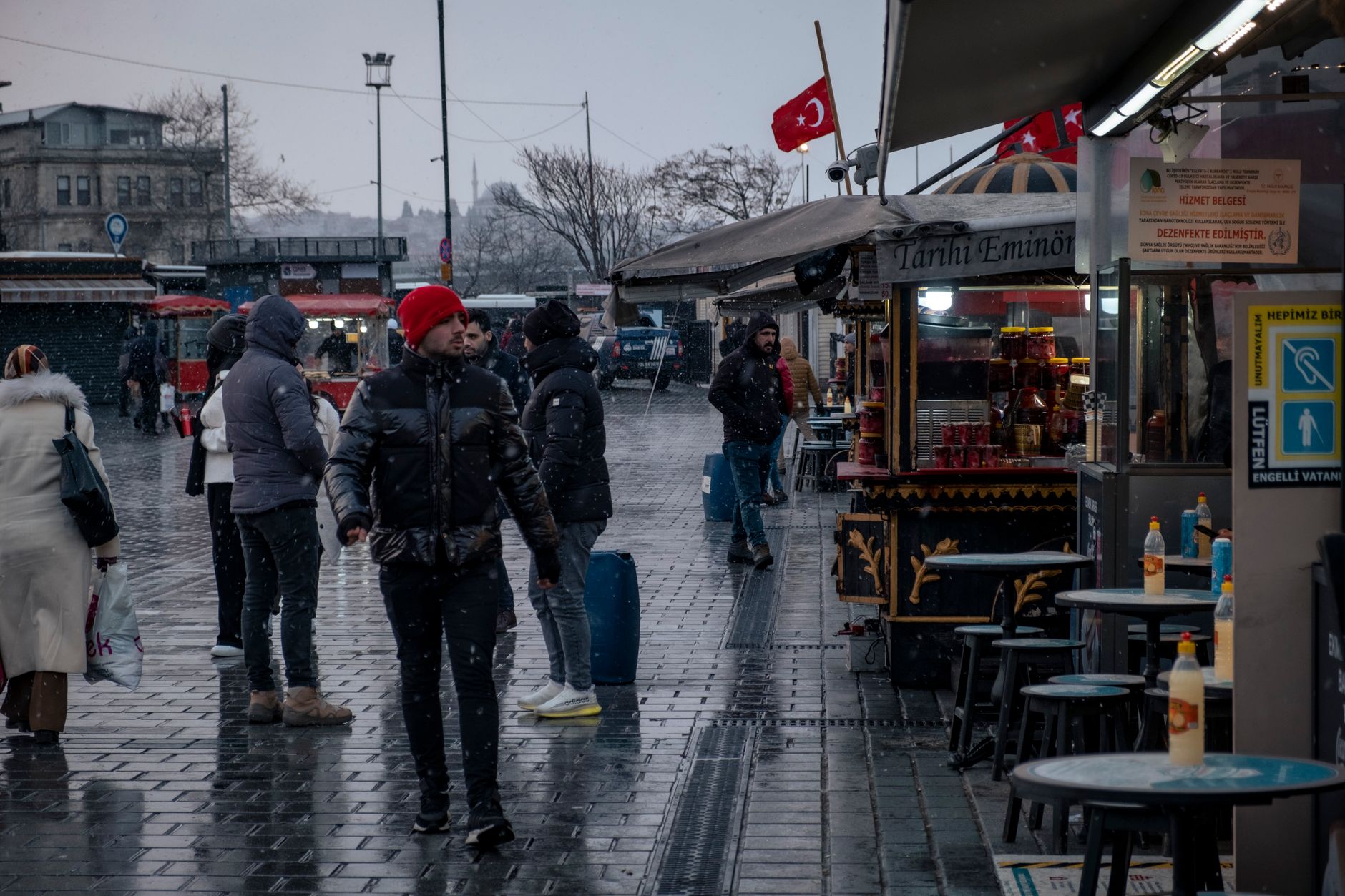
The clearest test of all is the water. Boats moored at Eminönü selling “Bosphorus cruises” charge several times what the public ferry costs for the same stretch of water, because they are a private tour product, not transport. The public ferries are the commute, run on the same İstanbulkart as the bus and tram, as this site sets out in the Bosphorus ferry is public transport, not a tour.
What this means over a longer stay
A resident using İstanbulkart daily shouldn’t think of the ferry as a tourist extra; it’s one more leg on a card that already covers the metro, the tram, the bus and Marmaray, with a discount applied automatically to a transfer made within a set window. The current rules for what the card does and doesn’t cover are published on the card’s own site, and summarised here on how the İstanbulkart works and what it doesn’t cover. The same logic applies to prayer closures at mosques: they aren’t a daily obstacle once a reader understands the pattern, which is explained on why prayer times function as the city’s real opening hours.
Arriving from the airport invites a few of these same “free” offers at once — a SIM card, a shuttle, a fixed-price taxi pitched as a deal. The actual choice of routes into the city, and what each one costs by comparison, is set out in the guide to getting from Istanbul Airport by metro or coach.
None of this is a warning to be suspicious of Istanbul specifically. It’s a city of roughly 15.9 million people in its wider province, with a visitor economy large enough that “free” gets used loosely, as it does in most cities that size. The buildings that are free really are free, because the institutions behind them — the state, a religious foundation, a municipality — don’t charge for them by design. Everything priced as “free” by a private seller is priced; the job is just finding where.


Access Istanbul is an independent guide written from published, checkable sources. We have not visited the places described here and we do not publish personal recommendations or invented ‘local favorites’ — where something is singled out as notable, we say who says so. Opening times, fares, closures and prices change at short notice, so treat everything here as a starting point and confirm with the museum, operator or venue directly before building a day around it. We give no advice on visas, insurance, health or safety; use your own government’s official guidance for those.
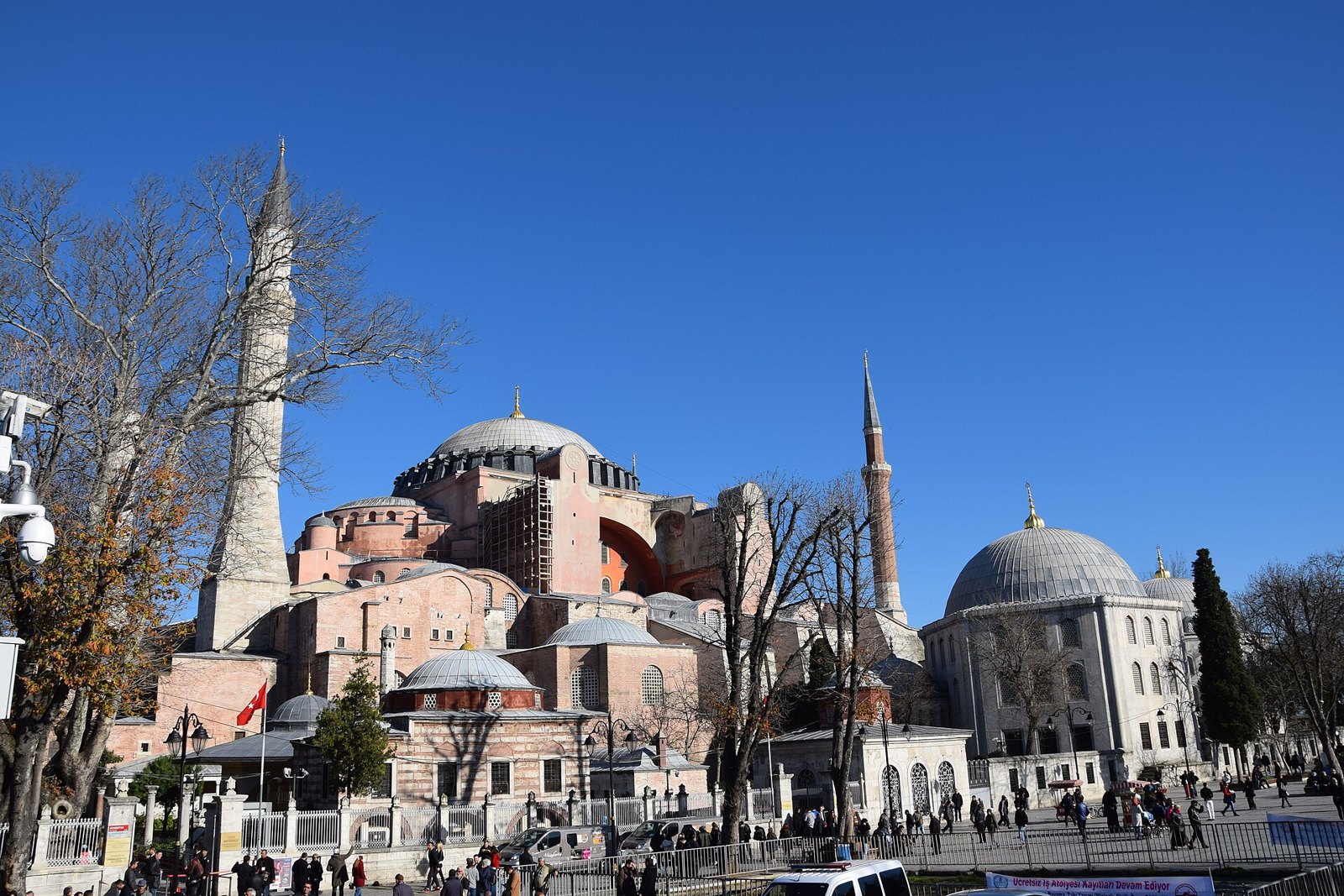
Featured image: Photo by Maksym Kozlenko, source, CC BY-SA 4.0
