The currency is the Turkish lira. Cards work almost everywhere, including for transport top-ups,
but keep some cash for markets, small cafés and the fish boats. Inflation has been high for several
years, which is why nothing on this site quotes a current price: any number would be wrong by the
time you read it.
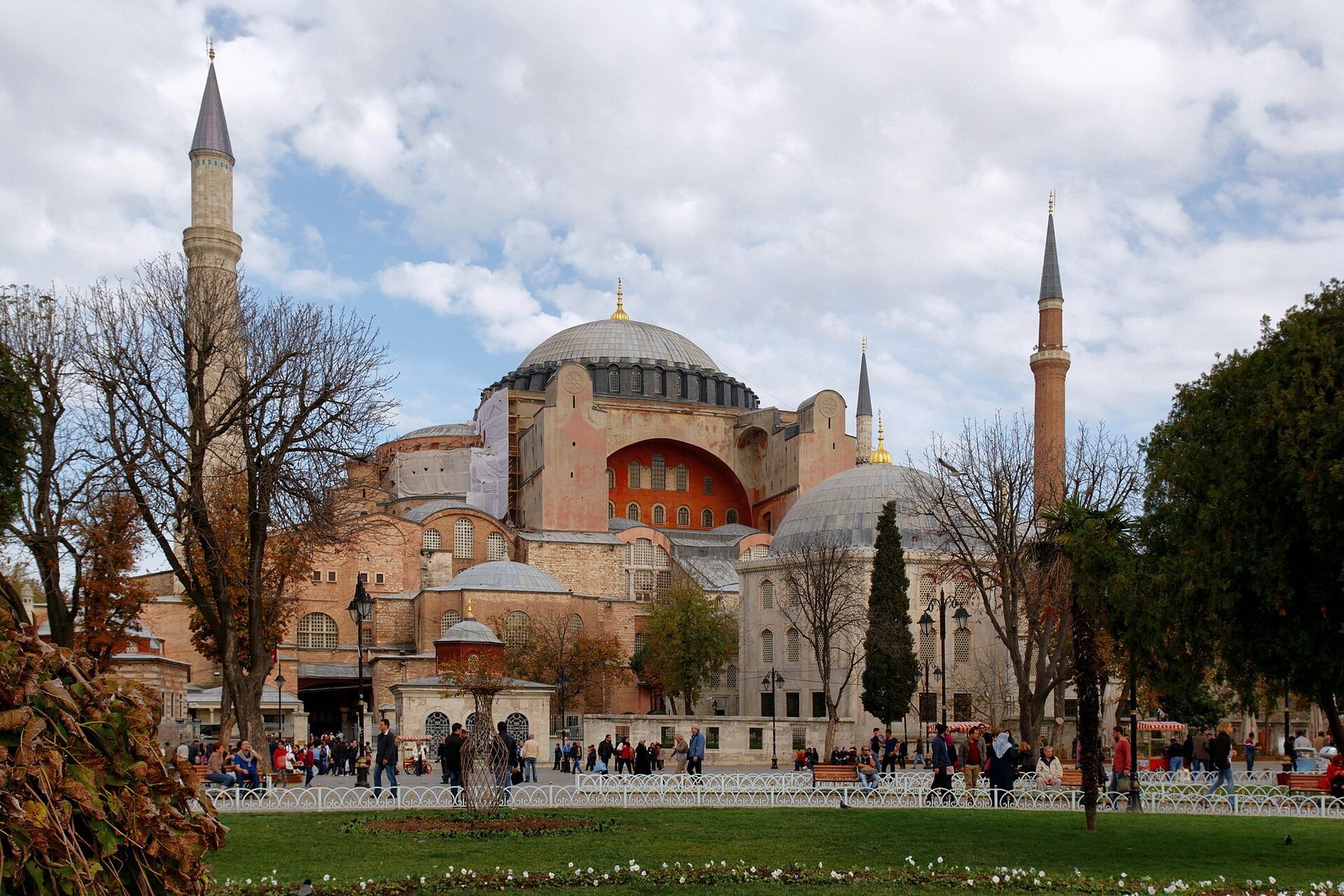
The two-tier pricePhotograph by Zumrasha, Wikimedia Commons, Public domain
State museums and monuments charge foreign visitors a separate, much higher rate, set in euros.
This is not a scam and it is not negotiable; it is policy. Budget for it honestly and then decide
which sites you actually want, because at these prices six of them is a significant sum.
Water, connectivity, plugs
Tap water is treated but almost nobody drinks it; bottled is universal and cheap. Mobile
coverage is good, and an eSIM bought before you fly is the least painful way to arrive connected.
Plugs are the European two-pin, 230 V.
Summer is hot and full. Spring and autumn are the good months. Ramadan changes the rhythm of the
day, particularly around food and around the mosques; the two religious holidays close the bazaars
outright for several days and fill every ferry. Check the dates, which move each year.
What shuts, and when
The Grand Bazaar on Sundays. Mosques around five prayers a day, and for longer on Friday
midday. Most state museums one day a week. Between them, those three rules will reshape any
itinerary that ignored them.
Istanbul runs on cards for the metro, the trams and most restaurants and shops. Cash still rules two corners of the city: small vendors and market stalls, and a handful of museum ticket booths where card machines are not installed at all. State museums also charge two different prices for the same ticket — one … Read more


.JPG)