One Istanbulkart opens the tram, metro, funiculars, buses, Marmaray and the ferries — and the ferry is the bus, not a tour.
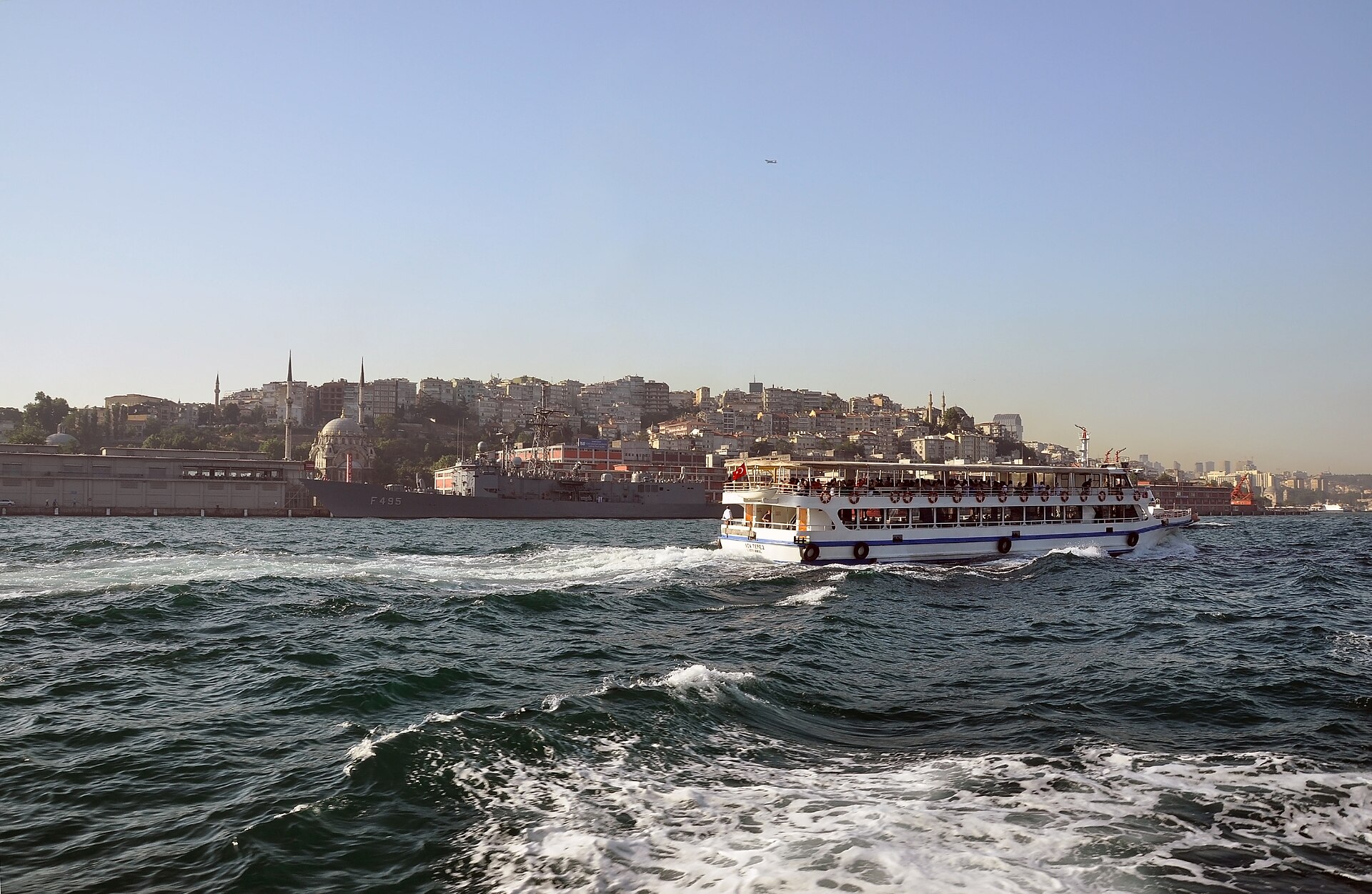
Photograph by Michel Huhardeaux from Brussels, Belgium, Wikimedia Commons, CC BY-SA 2.0
One card does everything
The İstanbulkart is a single rechargeable card that works on the trams, the metro, the buses,
the funiculars, Marmaray under the Bosphorus and the public ferries across it. Buy it from a
machine at any metro station or ferry pier, top it up at the same machines, and tap on at the gate.
One card can be tapped several times for a group.
Fares are per journey, and transfers made within a short window of each other are discounted
rather than charged in full. That matters more here than in most cities, because a lot of useful
journeys are two legs — a tram to the pier and a ferry across, say.
The ferry is not a tourPhotograph by Jwslubbock, Wikimedia Commons, CC BY-SA 3.0
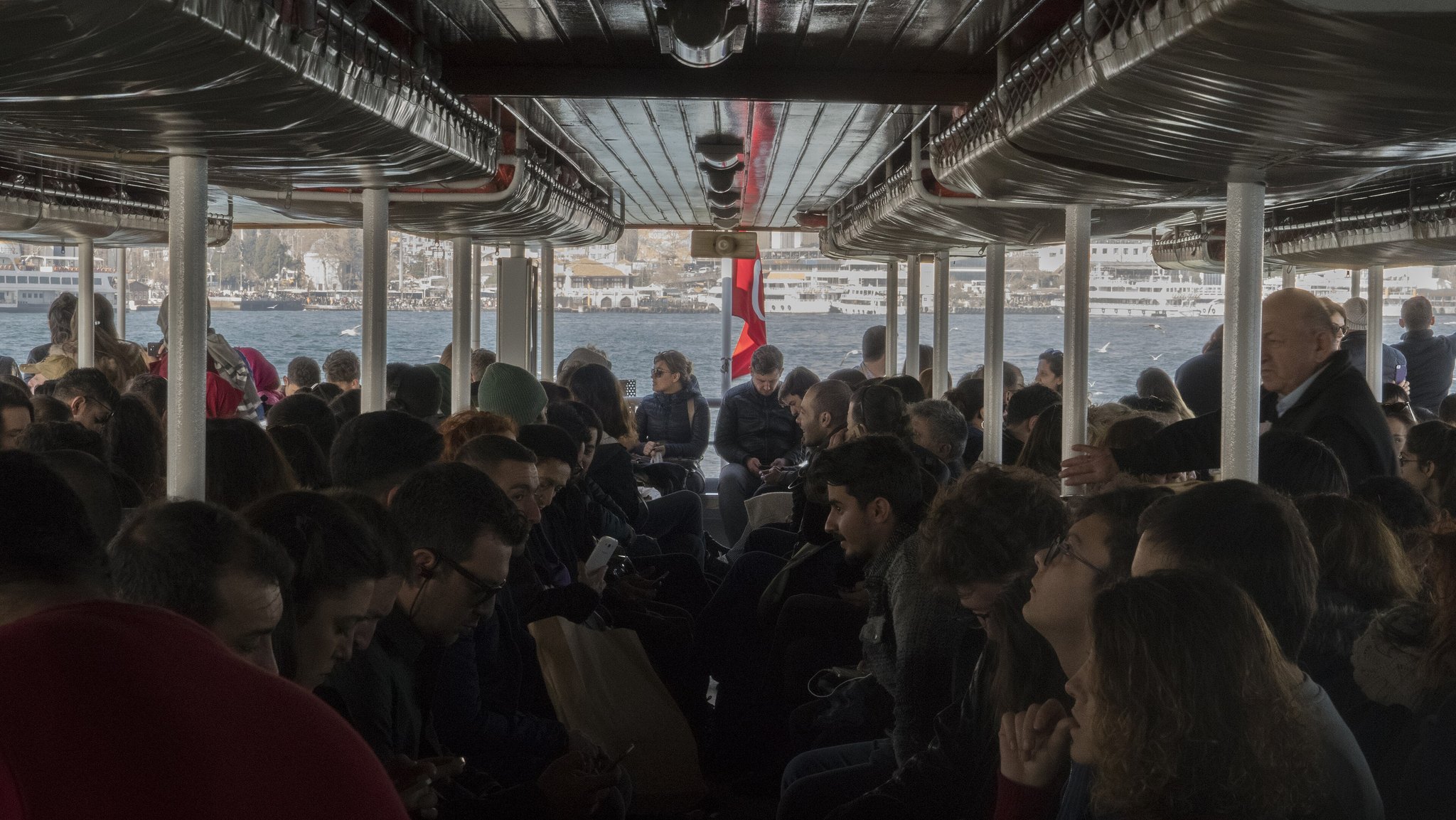
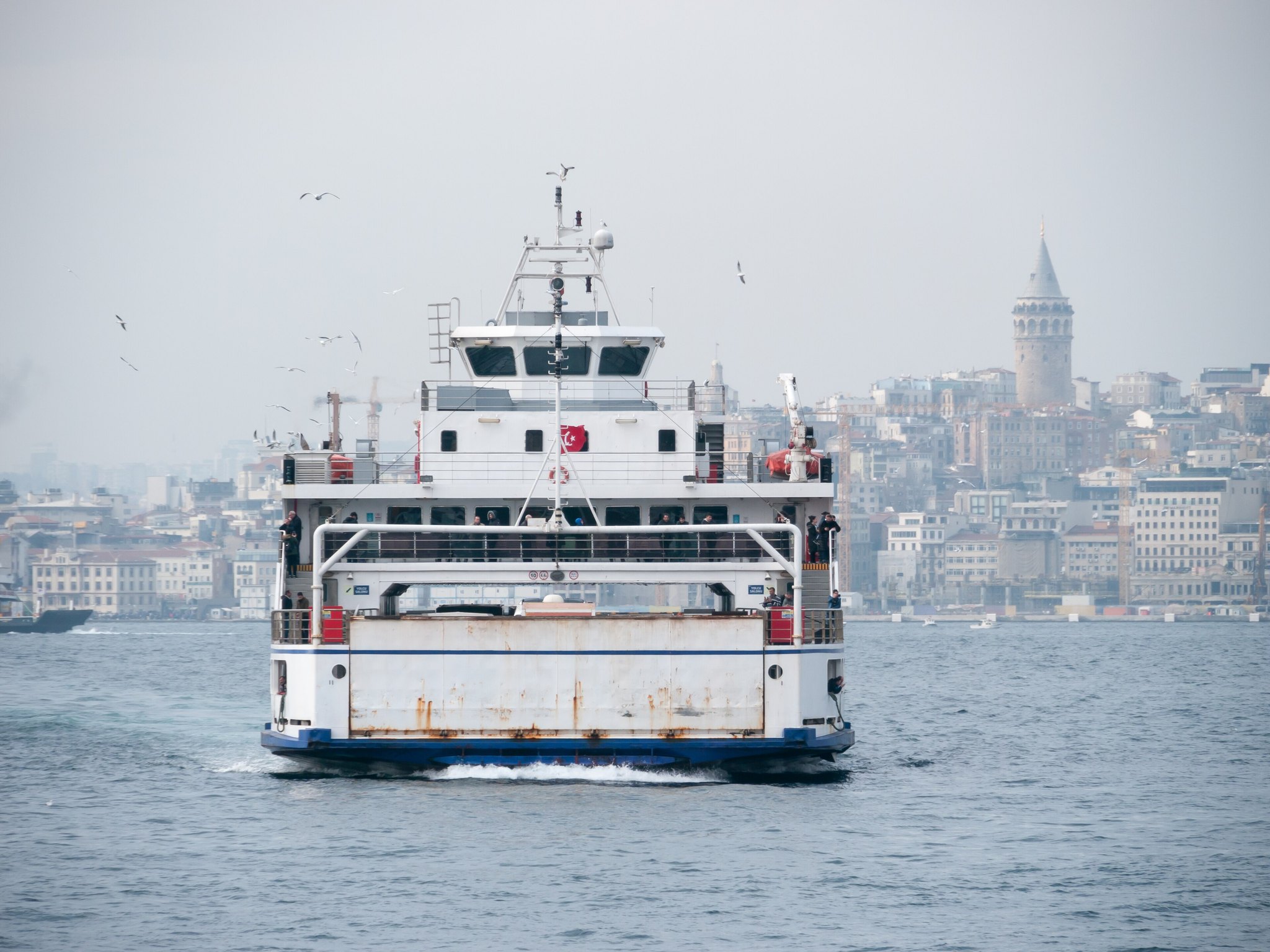
The single most useful thing to understand about moving around Istanbul is that the public
ferries are public transport. They run to a timetable for people going to work, they cost
the same sort of fare as a tram, and they take the same card. The boats moored beside them selling
“Bosphorus cruises” charge many times as much.
Eminönü, Karaköy, Kabataş and Beşiktaş are the European piers; Üsküdar and Kadıköy the Asian
ones. Crossing and coming straight back gives you the whole old-city skyline for two taps.
The lines that matter
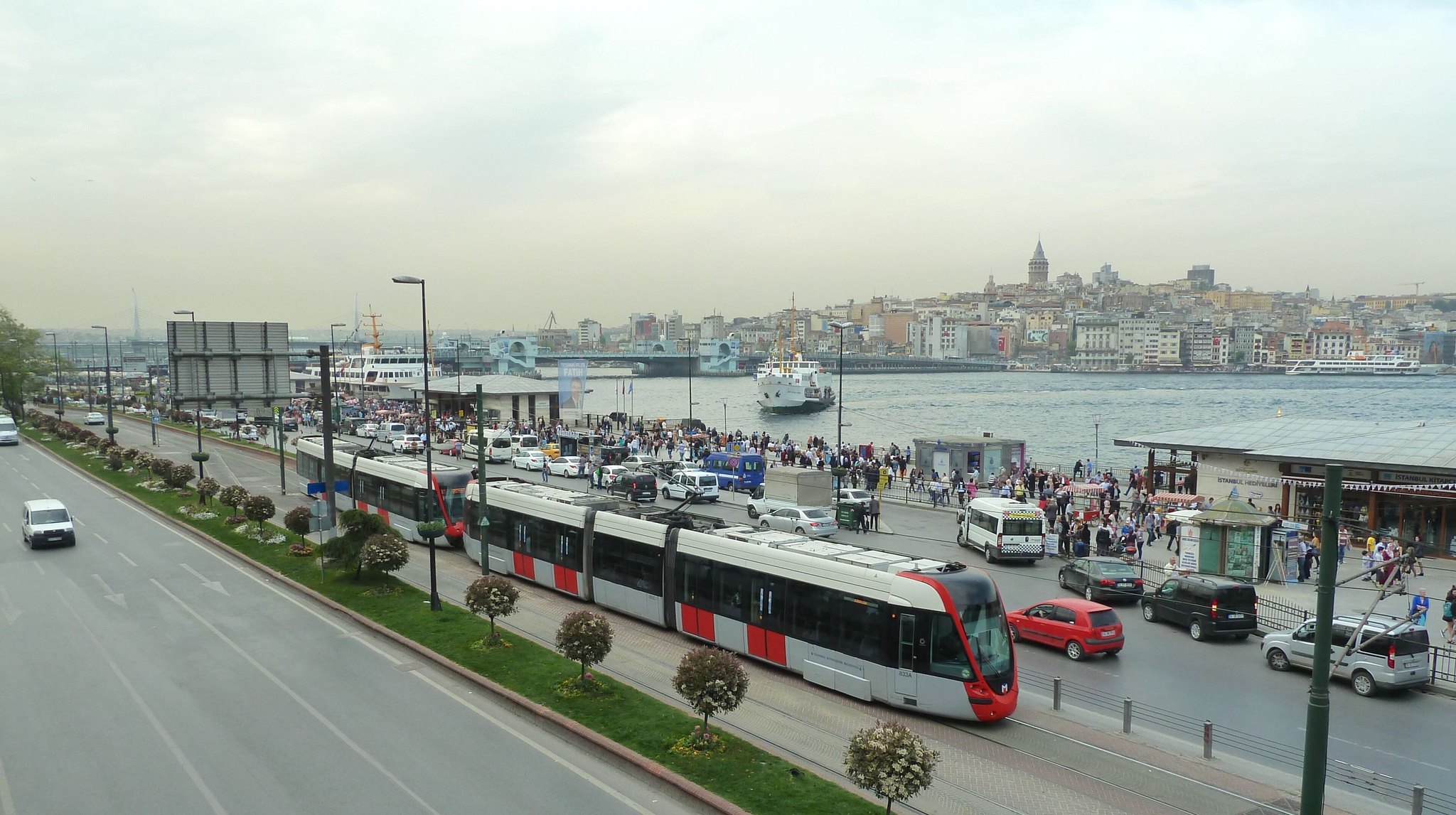
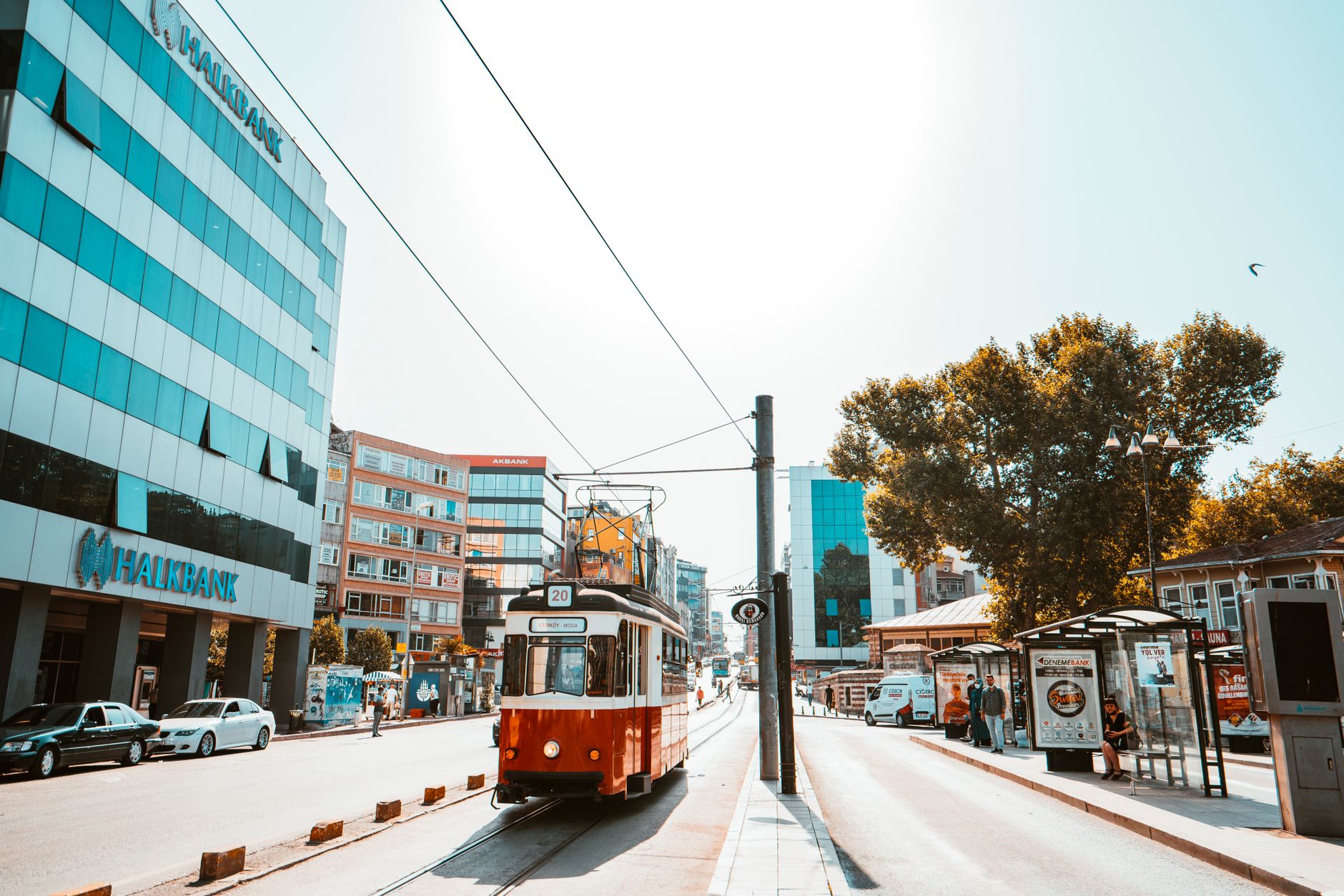
The T1 tram is the visitor's line: Kabataş, Karaköy, over the Galata Bridge, Eminönü,
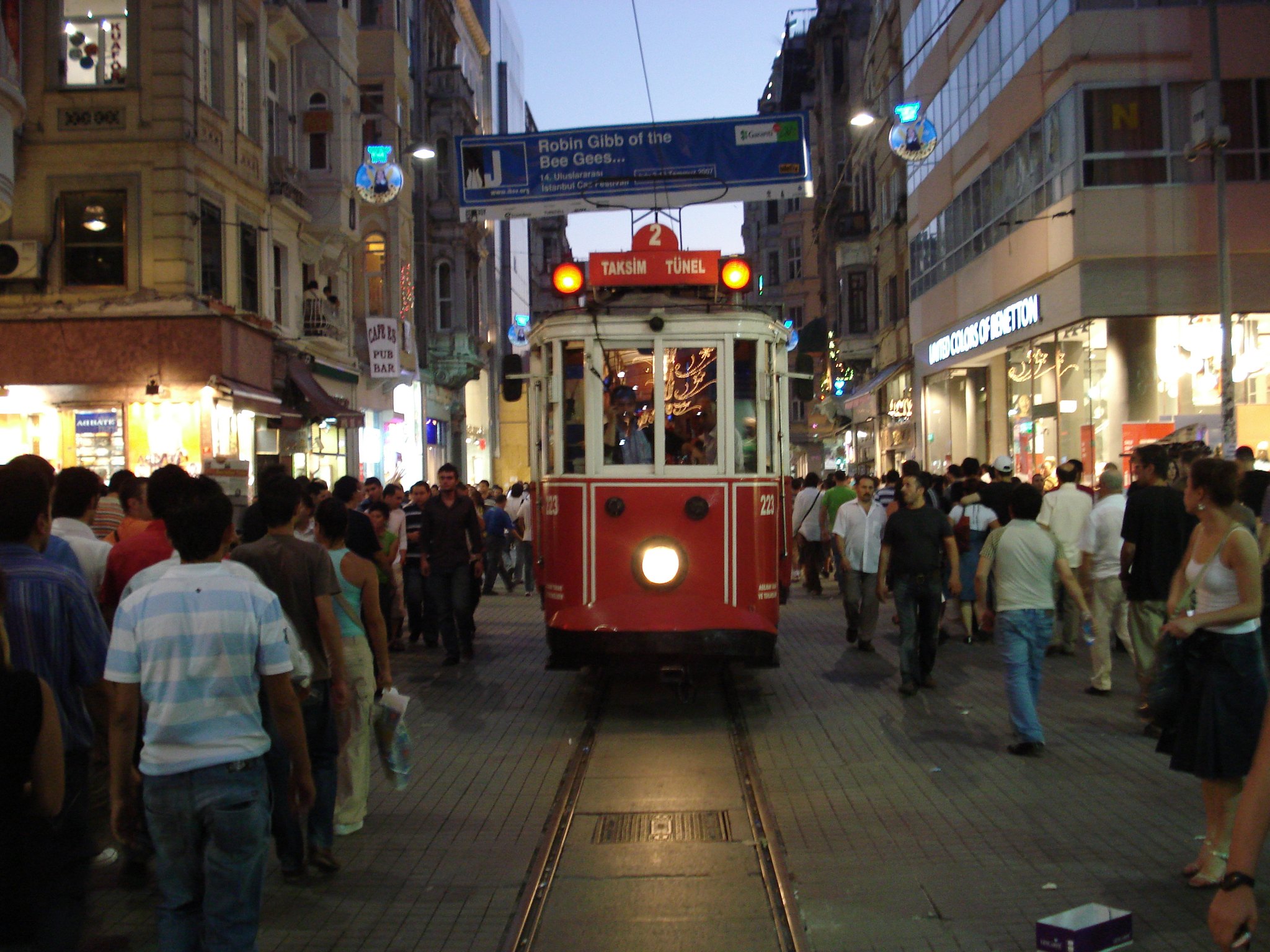
Sirkeci, Sultanahmet, Beyazıt for the Grand Bazaar. The M2 metro runs up the European side through
Taksim. Marmaray is the rail tunnel under the strait, and it is the fastest way between continents.
The funiculars — Tünel from Karaköy, F1 from Kabataş to Taksim — exist because the hills are
genuinely steep.
Taxis
Insist on the meter. Use a ride-hailing app where you can, because it removes the argument
entirely. Traffic is bad enough that a taxi is often slower than the tram.
Photograph by KIZILSUNGUR at Turkish Wikipedia, Wikimedia Commons, Public domain
The M11 metro is cheaper and runs on a fixed schedule to Gayrettepe, where most city-bound travellers change onto the M2 line. The Havaist coach costs more but stops directly at named locations across the city, with no transfer at all. Which one actually gets you to your hotel faster depends on where you’re going, … Read more
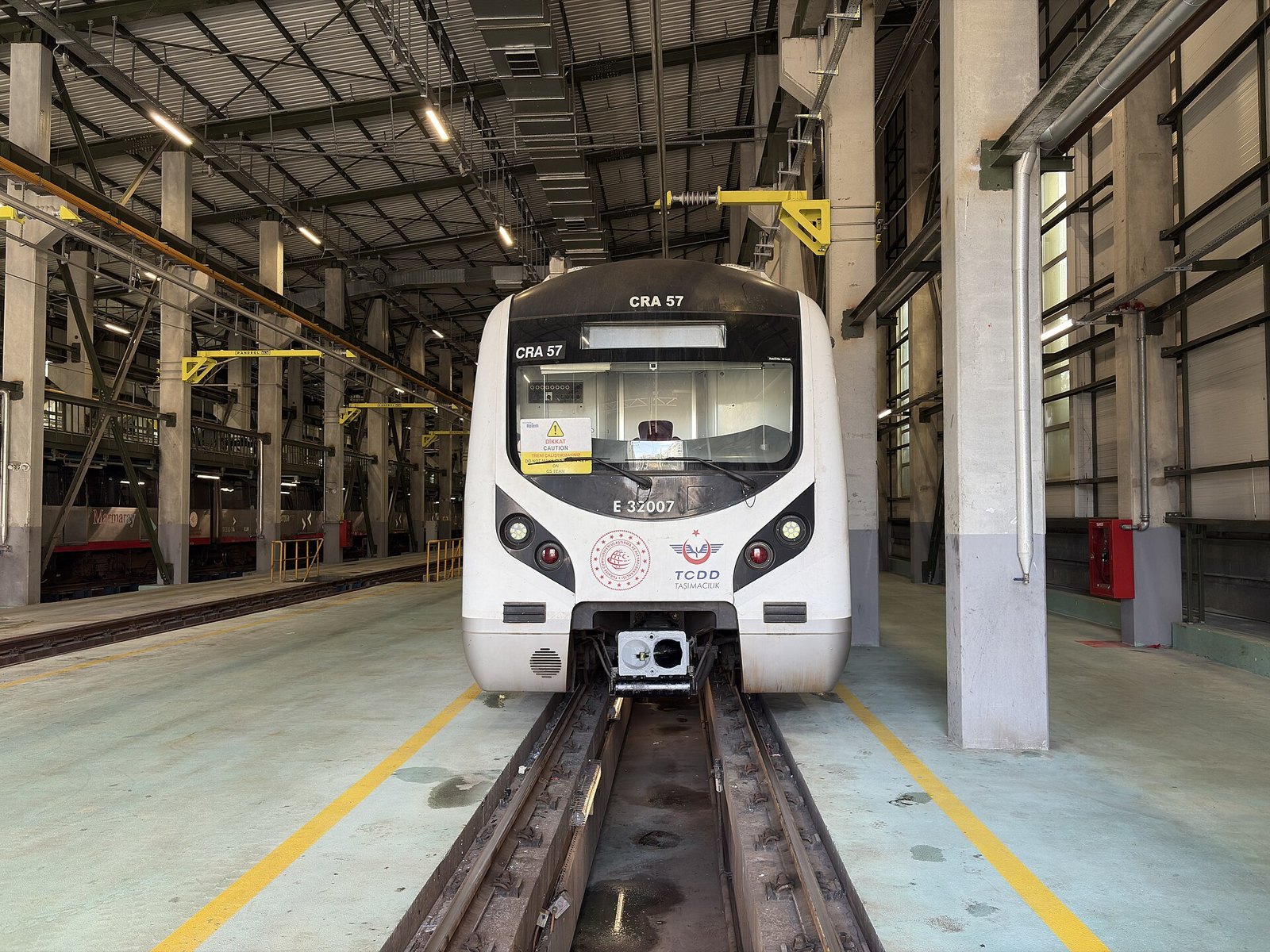
Marmaray is the rail tunnel that runs under the Bosphorus itself, linking the European and Asian sides of Istanbul by train rather than by boat or bridge. It opened in October 2013, takes the same İstanbulkart as every bus, tram and ferry in the city, and moves commuters and long-distance rail traffic through a tube … Read more
The straight answer The Bosphorus ferry is a scheduled municipal boat. It happens to sail past some of the best views in Istanbul. It runs on a timetable, stops at fixed piers, and takes the İstanbulkart, the same card used on the bus and the tram. The boats moored beside it selling “Bosphorus cruises” are … Read more
İstanbulkart is a single rechargeable card that pays for almost every form of public transport in Istanbul: the trams, the metro lines, city buses, the funiculars up the steep hills, Marmaray under the Bosphorus, and the public ferries across it. You tap it on a reader at entry (and on some lines at exit too), … Read more
.jpg)

.jpg)
