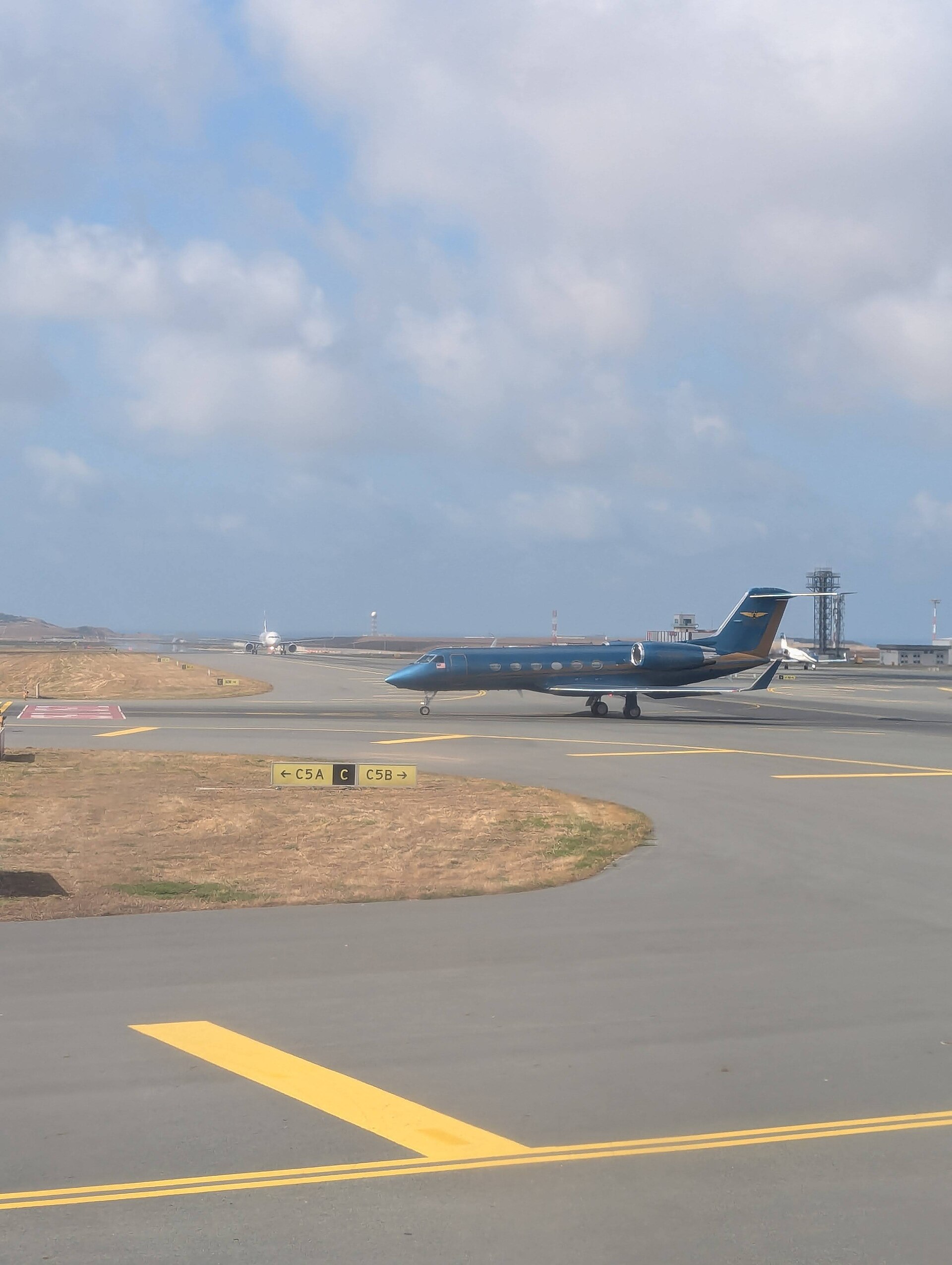
The M11 metro is cheaper and runs on a fixed schedule to Gayrettepe, where most city-bound travellers change onto the M2 line. The Havaist coach costs more but stops directly at named locations across the city, with no transfer at all. Which one actually gets you to your hotel faster depends on where you’re going, how much luggage you’re carrying, and what time your flight lands.
How the M11 Line Runs
The M11 is Istanbul’s newest metro line, run by Metro İstanbul, the city’s transit operator. It connects Istanbul Airport to Gayrettepe, a station in Şişli district. The route passes through Arnavutköy and Kağıthane along the way. It opened its first stretch in early 2023 and extended in stages toward the city centre. At Gayrettepe, the line meets the M2, which runs on to Şişli, Taksim, and eventually Vezneciler for the old city. There is no single-seat metro ride from the airport into Sultanahmet or onto İstiklal Caddesi. Every M11 rider headed there has to change trains.
How the Havaist Network Works
Havaist is the airport’s own coach service, a fleet timed to flight arrivals rather than a clock. Each route carries a number and serves a fixed line of stops, not one destination. Some head to Taksim Square. Others run to Sultanahmet, Beşiktaş, or across the Bosphorus to Kadıköy on the Asian side. The full list of routes and stops is published on the operator’s own site, and it shifts occasionally as roads and demand change. A coach that runs directly to a hotel’s neighbourhood removes the need for any transfer.
What Each Fare Actually Covers
The M11 fare sits inside the İstanbulkart system, the rechargeable card that also covers the tram, the other metro lines, buses, and the public ferries. One tap gets you onto the train. A second tap when you transfer to the M2 at Gayrettepe is discounted rather than charged in full, provided the change happens inside the standard transfer window. Current fares are published by Metro İstanbul; the mechanism, not the number, is what stays constant. Our companion guide covers what the İstanbulkart does and does not cover.
Havaist works differently. Each route has its own flat one-way fare, sold through the Havaist app, at the stop, or on board. It is priced by route rather than by distance on the İstanbulkart’s zone system. Confirm the current number on havaist.com before travelling — it has changed more than once since the airport opened.

.jpg)


The Decision: Destination, Luggage, and the Clock
The fare comparison is the easy part. The harder question is which option gets you to the hotel with the least friction. Three things decide it: where you’re headed, how much luggage you’re carrying, and what time your flight lands.
- Taksim, Şişli or Beşiktaş, daylight hours: take the M11 to Gayrettepe, then change to the M2. The interchange is an underground walk. Both platforms have escalators and lifts. A single carry-on makes this easy. With large suitcases, check Metro İstanbul’s station diagram first. Lift capacity at Gayrettepe is limited at peak times, and a queue there can erase the metro’s speed advantage.
- Sultanahmet, or a hotel on a named Havaist stop: the coach is usually simpler. It skips the transfer entirely. Sultanahmet has no metro station of its own. Reaching it by rail still means changing onto the tram, or walking from Vezneciler. A direct coach to a stop near the old city avoids all of that.
- Kadıköy or the Asian side generally: the M11 does not cross the strait. A metro journey means at least two changes, including one across the water via Marmaray. A Havaist route running straight to Kadıköy is the simpler single-vehicle option, even though it takes longer in traffic.
- Arriving after roughly 9pm: M11 frequency drops late at night. Metro İstanbul’s published timetable has shown headways widening to something like every 10 to 12 minutes in the late evening — confirm the current interval on the operator’s site. Add the wait for an M2 connection, and the “faster” route can turn out slower in practice. A coach timed to the flight board can beat it door to door.
- Heavy luggage, any destination: favour fewer changes over a faster quoted time. Every transfer — between lines, or from a platform to a taxi rank — costs more real time with two large suitcases than any timetable suggests.
Crossing to the Asian Side
Kadıköy and Üsküdar sit on the Asian side, a twenty-minute crossing from the European shore on one fare. Some travellers with time to spare take the M11 and M2 as far as Beşiktaş or Karaköy, then finish the journey by public ferry instead of coach or taxi. The boats are commuter transport, not a sightseeing cruise, as our piece on the Bosphorus ferry sets out — and the fare is the same İstanbulkart tap used everywhere else in the city.


Beyond the Single Trip
Comparing one fare against one ticket is the wrong frame for a longer stay. Anyone spending more than a few days in Istanbul will use the İstanbulkart repeatedly, on the tram, the other metro lines, the buses, and the ferries, long after the airport transfer is forgotten. The single ride from the airport is a small fraction of what the card is actually for. Broader questions of cash, cards, and how pricing works across the city are covered in our guide to money in Istanbul.
Where to Check Current Fares
Fares on both services change; this page describes the structure, not a number to memorise. Current M11 and İstanbulkart pricing is published by Metro İstanbul. Current Havaist routes and one-way fares are listed on the operator’s own site. More on how the city’s transport network fits together sits in the Getting Around archive, and wider trip planning is in Planning & Practicalities. How this site researches and checks what it publishes is explained on our About page.
Access Istanbul is an independent guide written from published, checkable sources. We have not visited the places described here and we do not publish personal recommendations or invented ‘local favorites’ — where something is singled out as notable, we say who says so. Opening times, fares, closures and prices change at short notice, so treat everything here as a starting point and confirm with the museum, operator or venue directly before building a day around it. We give no advice on visas, insurance, health or safety; use your own government’s official guidance for those.
Featured image: Photo by FingerWiki, source, CC BY-SA 4.0
