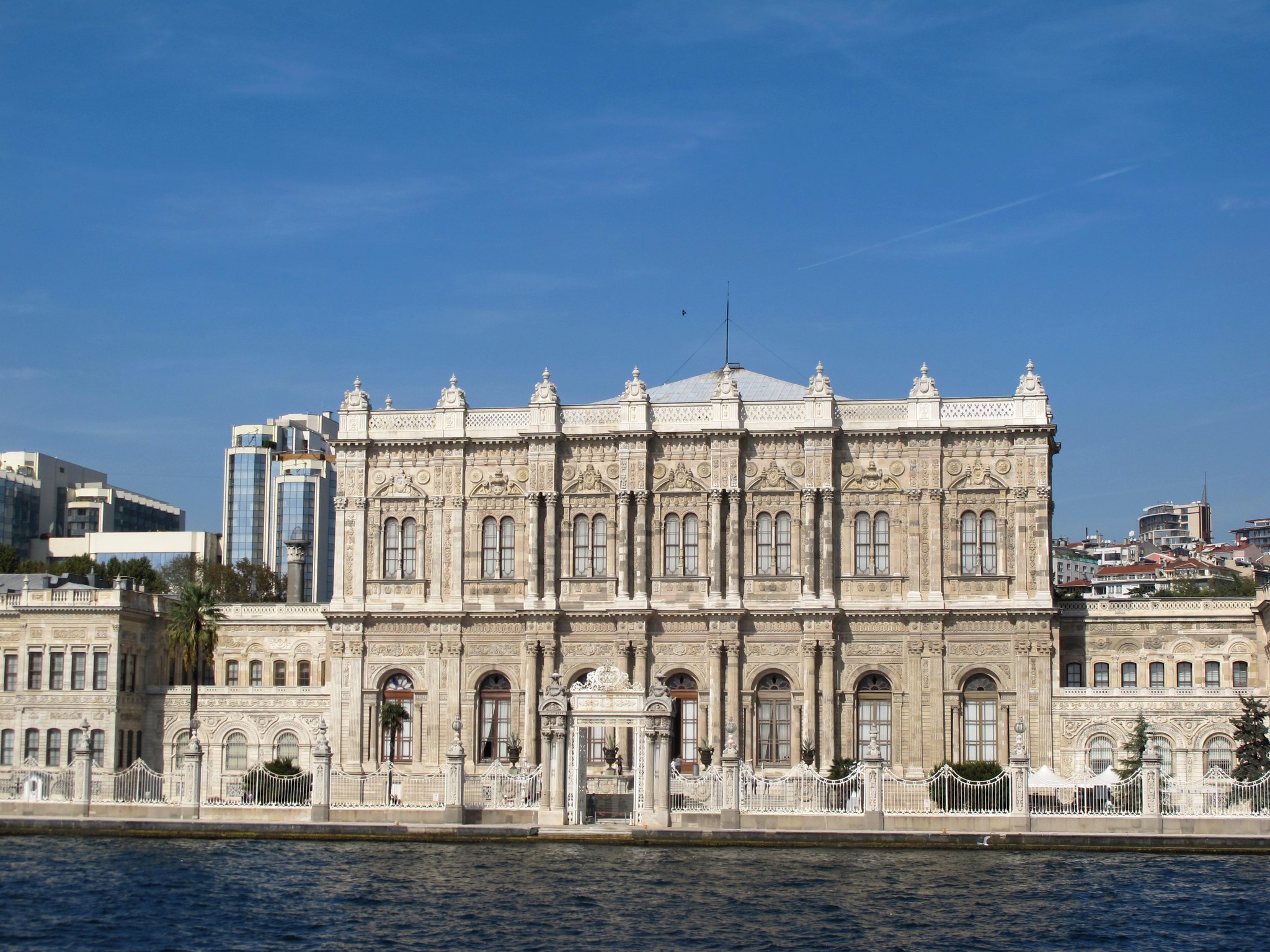

The palace the Ottoman court moved to in 1856 when Topkapı began to look old-fashioned: six hundred metres of European baroque along the Bosphorus, with a four-and-a-half tonne chandelier and more gold leaf than is entirely comfortable. Atatürk died here in 1938, and the clocks in the building are still stopped at the time.
It very nearly bankrupted the treasury — the cost is usually given as several years of the entire empire’s revenue, paid for with foreign loans, and the debt outlived the sultan who ordered it.
What it costs
Ticketed, with separate tickets for the Selamlık and the Harem and a combined one for both. It is not covered by the general museum pass, which surprises people at the gate.
When to go
It has a weekly closing day and a daily visitor cap, and you move through the state rooms as part of a group on a fixed route rather than wandering. That makes the timing matter more than at most places: arrive late in the day and the last entry may already have gone.

Getting there
Kabataş, at the end of the T1 tram and the top of the funicular from Taksim. The palace gate is a five-minute walk along the water. Ferries also stop at Beşiktaş, ten minutes the other way.

If you only have an hour
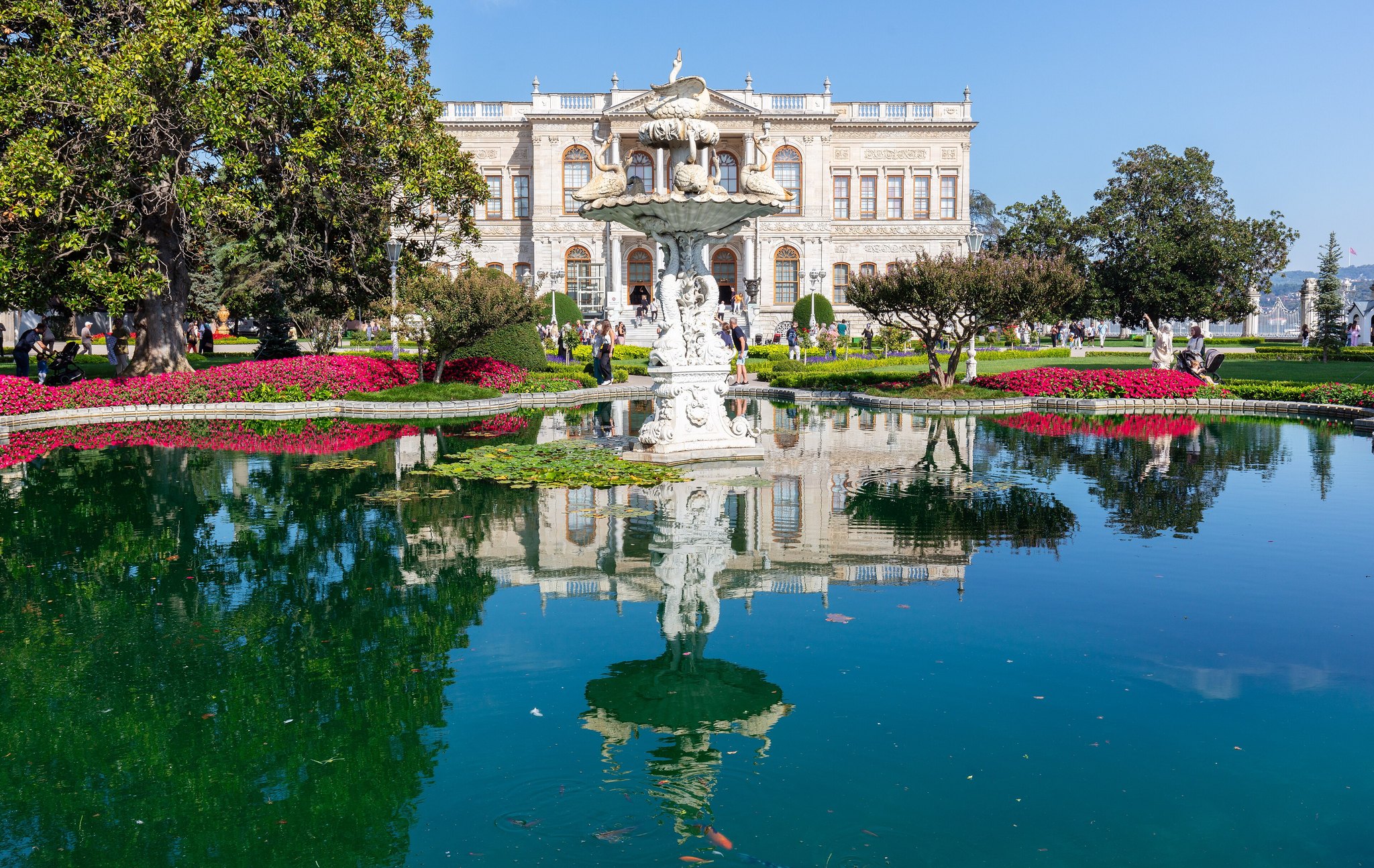
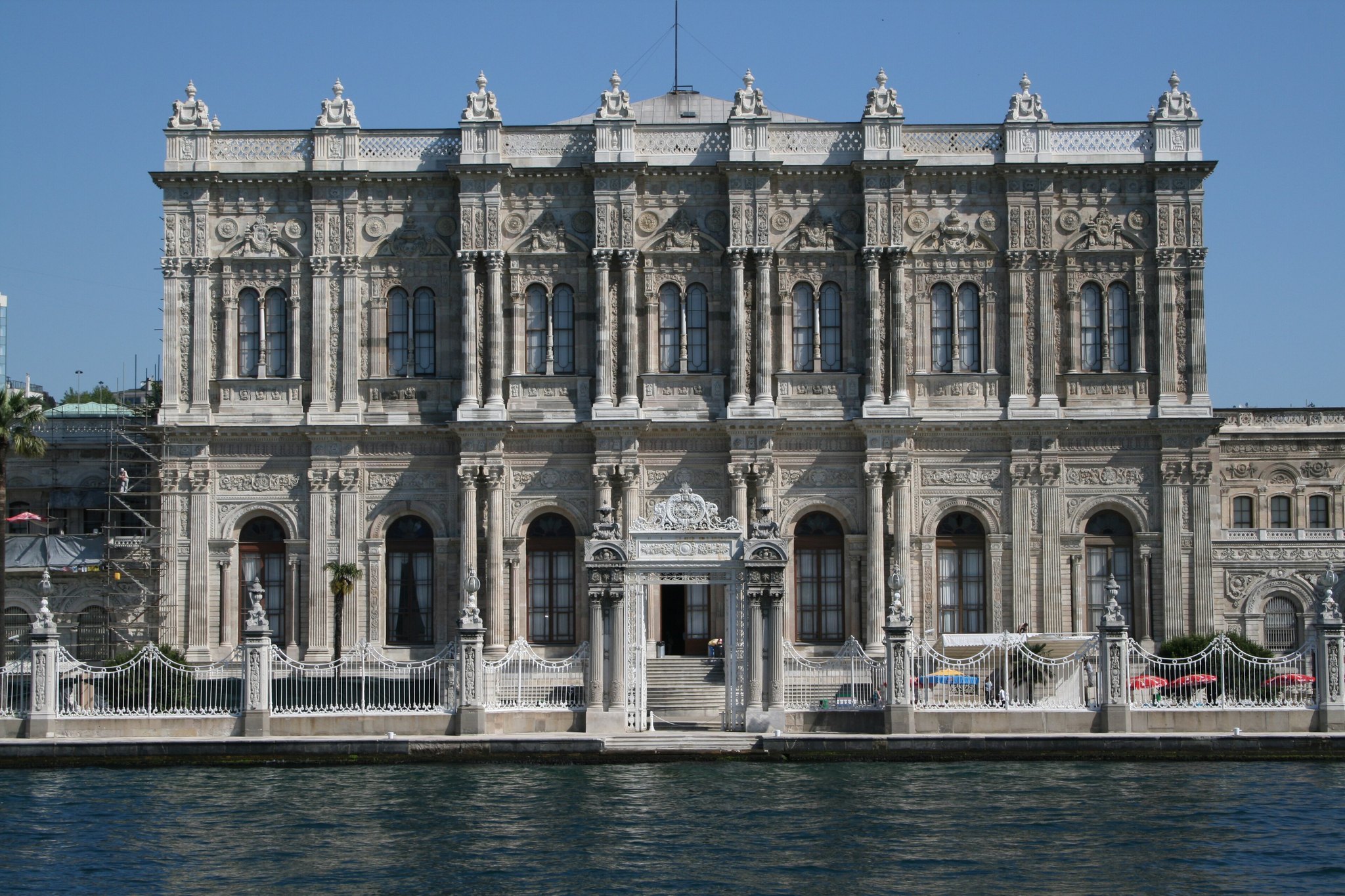
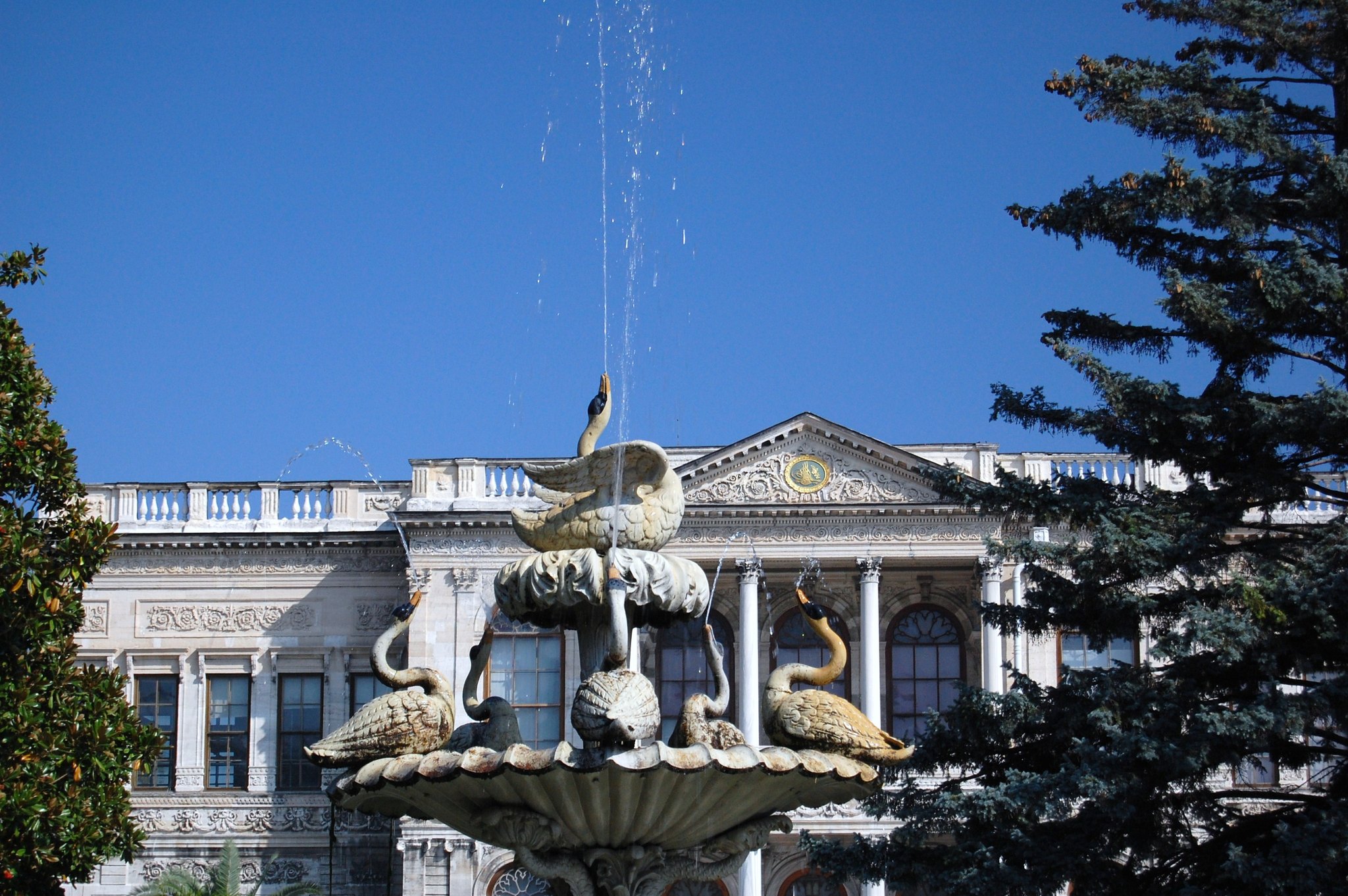
You cannot do this in an hour — the route takes about that on its own. If you only have an hour, walk the gardens and the clock tower, which are the cheap part, and look at the gates from the waterside.
The Crystal Staircase and the Ceremonial Hall are what the route is for; the chandelier in the hall was a gift from Queen Victoria and is said to be the heaviest of its kind anywhere.
What people get wrong
Photography is restricted inside. People arrive planning a photo essay and are told at the door.
.jpg)
Nearby
Ticketing arrangements, prayer-time closures and opening patterns as published and checked on 5 September 2026. These change without much warning — confirm with the place itself before you travel. More sights, and how they fit together, in Landmarks & Sights.