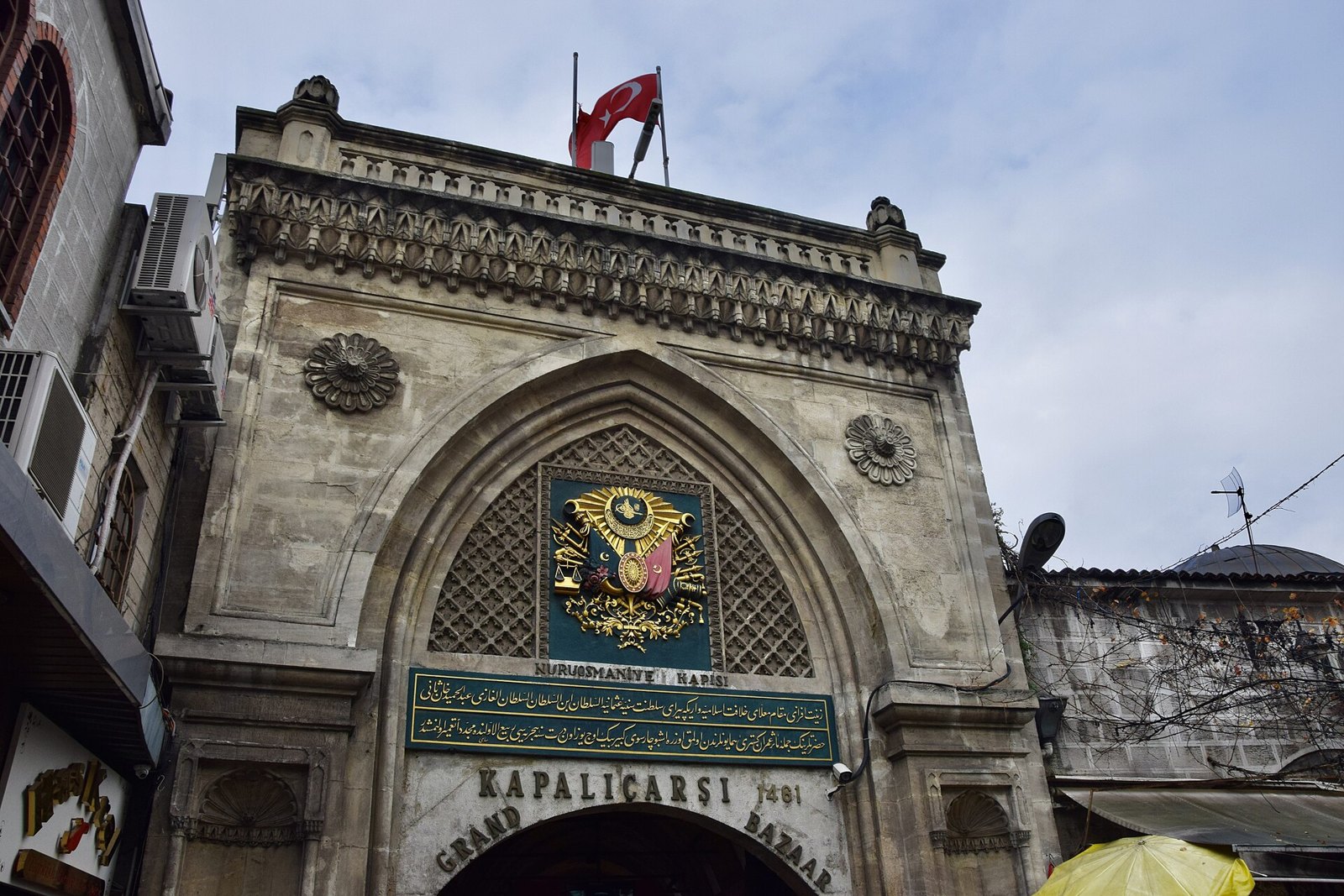
Why the market closes
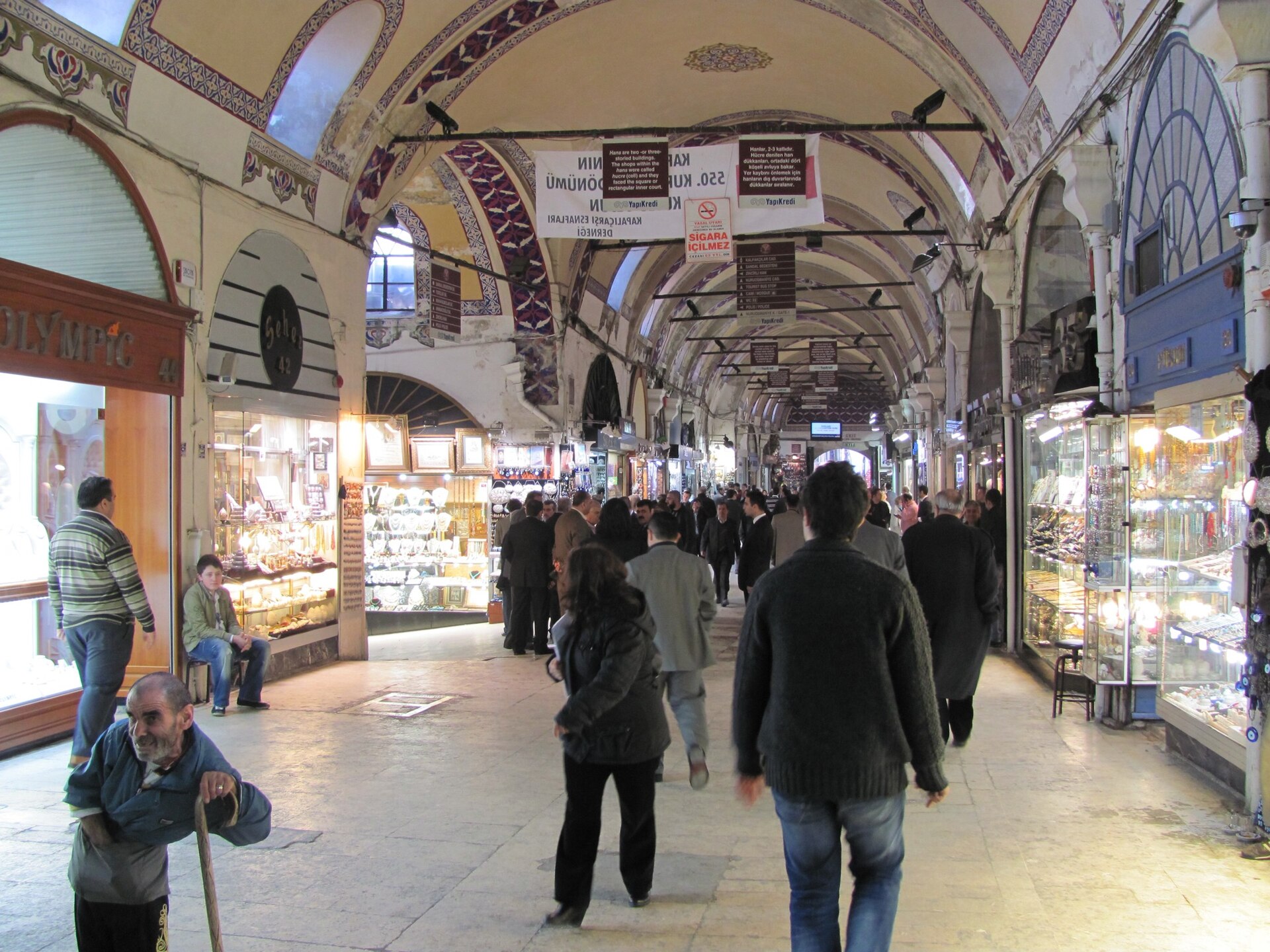
The Grand Bazaar closes every Sunday. Its shopkeepers treat it as their one full day off in a six-day working week. The closure is not religious. It is a labour pattern, set by the market’s own tradesmen, and it applies on public holidays too.
The bazaar traces back to a covered trading hall Sultan Mehmed II ordered built in the 1450s, soon after the conquest of Constantinople. It grew over the centuries into the sprawling covered complex visitors walk through today. Turkey’s Ministry of Culture and Tourism outlines that history on its own tourism portal, GoTürkiye. The six-day week behind the Sunday closure is a modern pattern, not an Ottoman inheritance. But the market’s tradesmen still set it, and it holds for every Sunday and every public holiday.
The usual advice, and why it fails
Most guides answer the closure with one line: go to the Spice Bazaar instead. That advice is not wrong. It is incomplete.
The Spice Bazaar, in Eminönü, stays open on Sundays. So does most of the rest of the city. That is exactly the problem. Sunday is the one day both locals and visitors have off. The Spice Bazaar absorbs the crowd the Grand Bazaar would otherwise take. It is a smaller building, built around one covered street rather than dozens. On a Sunday afternoon, it can feel just as dense as the bazaar it is meant to replace.
A decision rule, not a substitute
The better question is not “what replaces the Grand Bazaar” but “what suits the day I actually have.” The table below sets out the pattern.
| Day | Grand Bazaar | Spice Bazaar (Eminönü) | Arasta Bazaar (Sultanahmet) | Kadıköy Tuesday Market |
|---|---|---|---|---|
| Sunday | Closed | Open, at its most crowded | Open, and comparatively calm | Not running |
| Tuesday | Open | Open | Open | Running, on the Asian side |
| Any other weekday | Open | Open | Open | Not running |
Read plainly: if Sunday is the only free day, the Arasta Bazaar is the better use of it, not the Spice Bazaar. If Tuesday is free, Kadıköy’s market becomes an option too. It runs on no other day of the week, so none of the standard guides mention it.
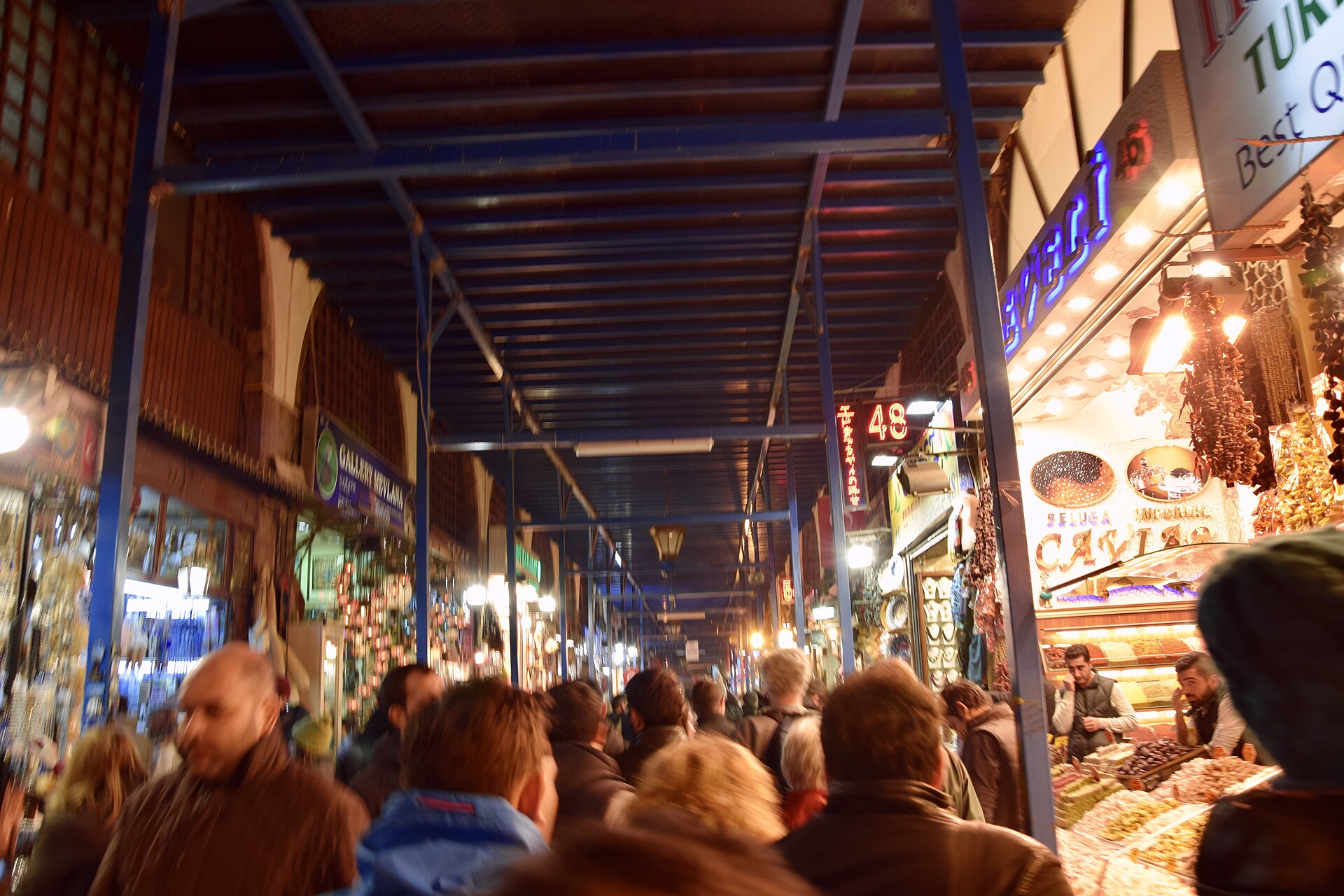
_03.jpg)
The Arasta Bazaar, specifically
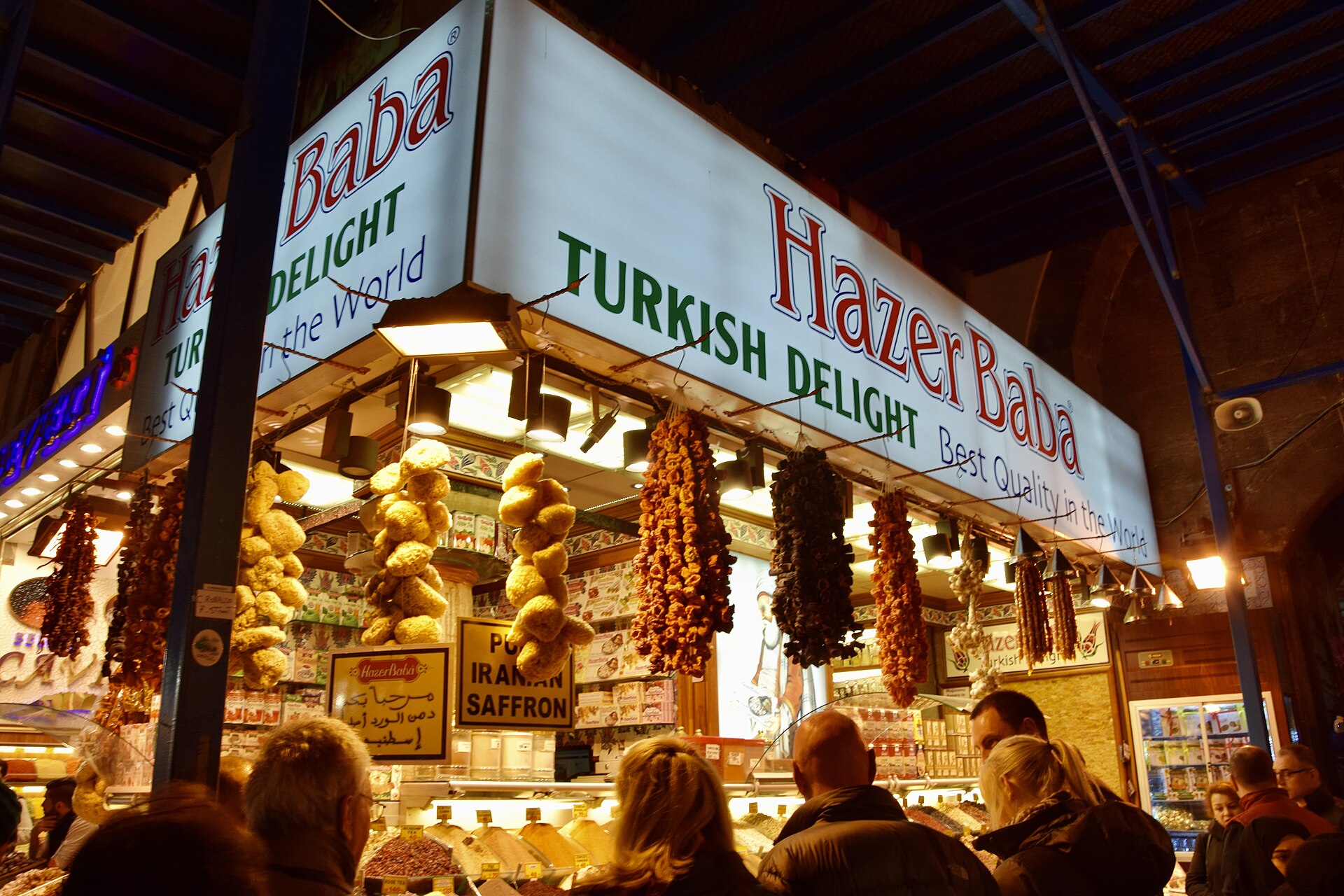
The Arasta Bazaar sits directly behind the Blue Mosque, built into what was originally the mosque complex’s own row of shops. It is a single covered street, not a maze, which keeps it walkable even when busy. It sells carpets, ceramics, textiles and much the same range of souvenirs found in the Grand Bazaar, at a fraction of the footfall. Its position, a short walk from Hagia Sophia and the Basilica Cistern, means it folds easily into a Sultanahmet morning without a special trip.
_01.jpg)
Kadıköy’s Tuesday Market: real, but not a Sunday option
Kadıköy, on the Asian side, runs a long-established Tuesday street market, sometimes called Salı Pazarı, the Tuesday bazaar. It draws residents rather than tour groups, and sells produce, cheese, clothing and household goods rather than souvenirs. That is precisely why guides recommend it. The trouble is timing: it runs on Tuesdays, full stop, and does nothing for a visitor whose only free day is Sunday. Kadıköy’s own municipality publishes market information for residents, and it is worth checking before planning a special trip.
Getting to Kadıköy from the European side means crossing the Bosphorus. The public ferries make that crossing at a fraction of the cost of a sightseeing boat. They use the same İstanbulkart as the trams and metro. The ferry is public transport, not a tour, and it is the ordinary way residents get to Kadıköy every day. How the card handles ferries, and what it does not cover, is set out separately on this site.
_05.jpg)
What the Spice Bazaar is, if the day allows it
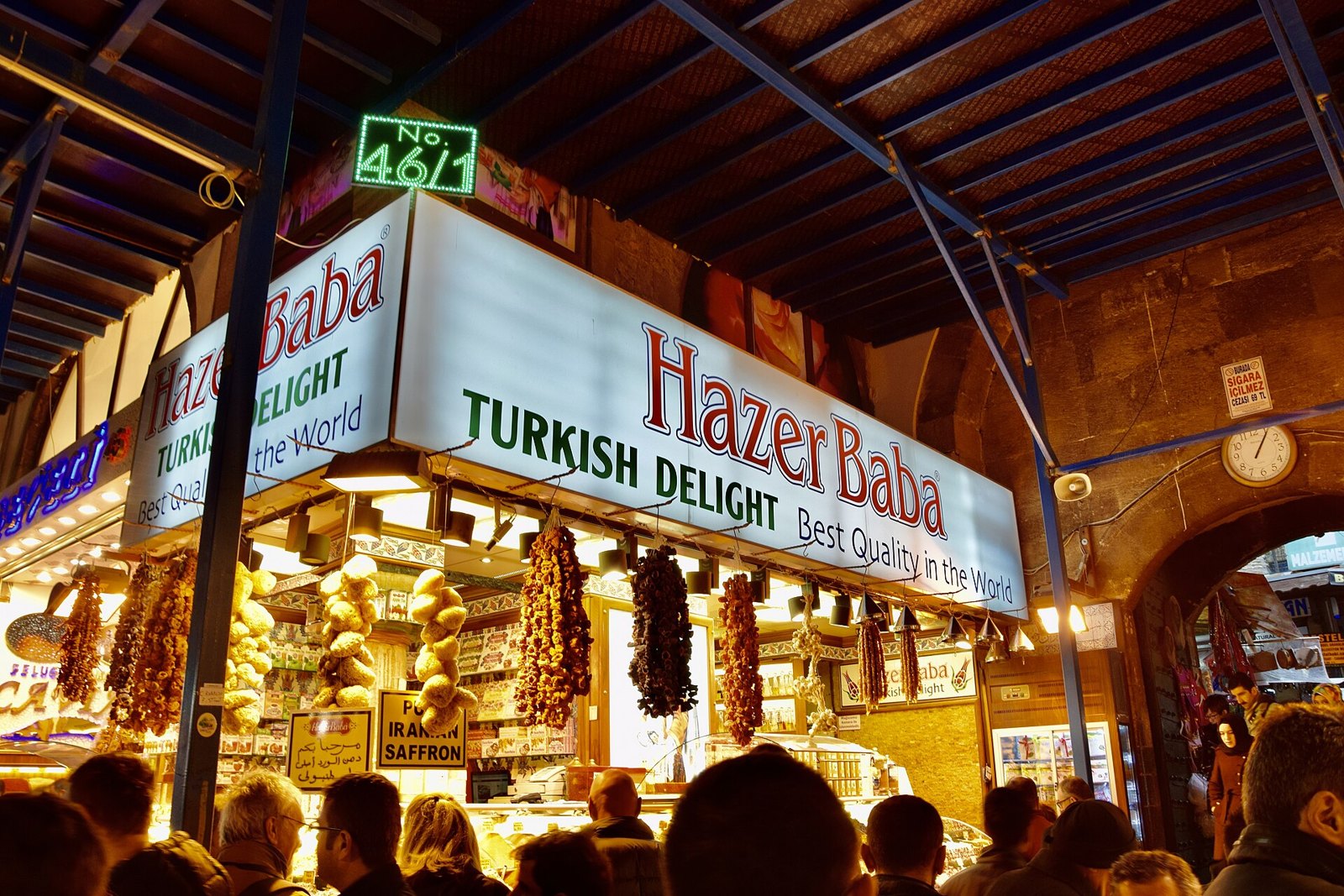
The Spice Bazaar, in Eminönü near the Galata Bridge, is a 17th-century covered market built as part of the New Mosque complex. It deals mainly in spices, Turkish delight, dried fruit, tea and nuts, and it is smaller and easier to navigate than the Grand Bazaar. On a weekday, it is a reasonable stop. On a Sunday, expect it at its busiest, not its quietest.
Mosques and prayer times complicate the same day
Sultanahmet’s mosques close briefly to visitors around each of the five daily prayers, and for longer around Friday’s midday prayer. Those times shift with the sun through the year, so no fixed timetable can safely be published. A separate guide on this site covers dress and timing for visiting a working mosque. It is worth checking before building a Sunday around the Blue Mosque as well as the bazaars beside it.

Public holidays close the bazaar too
Sunday is not the only closure. Turkish public holidays, both national and religious, close the Grand Bazaar as well, and the two religious bayrams can close it for several consecutive days. Those dates move on the lunar calendar. Turkey’s Ministry of Culture and Tourism publishes them annually, rather than a guide printing them once.
The wider pattern
Istanbul’s museums and state sites each keep their own weekly closing day, and several have changed theirs in recent years. The rule that matters is simple: check before building a day around one site. The Istanbul Metropolitan Municipality publishes general visitor information, and this site’s Getting Around section covers the transport side of the same planning. The Mosques & Churches archive covers the opening patterns of individual buildings.
This article draws on operators’ own published information, not a visit by this team. See how Access Istanbul is written and checked for the sourcing standard behind it, and the privacy policy for what is collected when you read this site.
Access Istanbul is an independent guide written from published, checkable sources. We have not visited the places described here and we do not publish personal recommendations or invented ‘local favorites’ — where something is singled out as notable, we say who says so. Opening times, fares, closures and prices change at short notice, so treat everything here as a starting point and confirm with the museum, operator or venue directly before building a day around it. We give no advice on visas, insurance, health or safety; use your own government’s official guidance for those.
Featured image: Photo by Ank Kumar, source, CC BY-SA 4.0
_03.jpg)