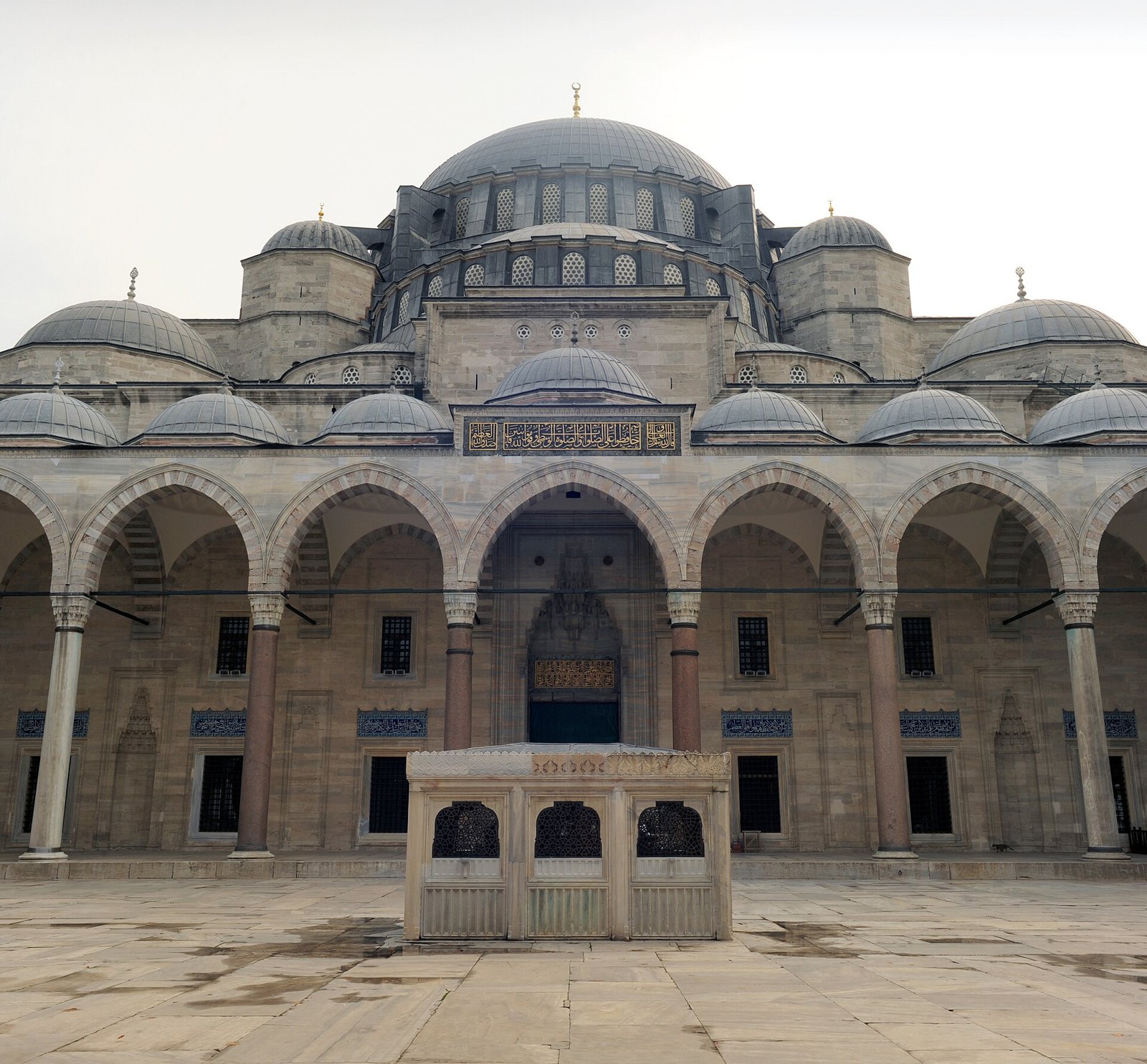
Dress covers shoulders, knees and hair for women; shoes come off at the door. That part is easy and every guide says it. The part that actually ruins visits is timing: mosques in Istanbul close to sightseers around each of the five daily prayers, those times move every single day, and Friday closes them for much longer. Get the timing wrong and you are not just turned away — in a small neighborhood mosque, you are standing in the middle of someone’s prayer.
The dress code, briefly
Cover the knees and shoulders. Women cover their hair with a scarf; most large mosques used by visitors, including Sultanahmet Mosque (the Blue Mosque) and the Süleymaniye Mosque, keep loaner scarves and wraps at the entrance for anyone who arrives without one. Shoes come off before the carpet and go into a plastic bag or onto open shelving near the door. None of this costs money. Mosques do not charge admission — the entry fee is behaving like a guest.
The part everyone skips: how the closures actually work
Islamic prayer times are set by the sun, not the clock. Each of the five daily prayers — sabah (dawn), öğle (midday), ikindi (afternoon), akşam (sunset) and yatsı (night) — falls at a slightly different minute every day of the year, and the gap between them shifts with the seasons. Istanbul’s Presidency of Religious Affairs, the Diyanet, publishes the day’s exact times for every district on its own site, and that is the only source worth checking. No printed timetable in a guidebook or on a blog can be right for more than a day or two.
A working rule, based on how the call to prayer and the prayer itself actually run:
| Prayer | Typical closure window | Notes |
|---|---|---|
| Sabah (dawn) | ~20 min before adhan to ~30–40 min after | Falls before most visitors are out; rarely an issue |
| Öğle (midday), non-Friday | ~20 min before adhan to ~30–40 min after | Short interruption, same pattern as the others |
| Öğle on Friday (jumu’ah) | 1.5–2 hours around midday | The week’s longest closure; sermon precedes prayer |
| İkindi (afternoon) | ~20 min before adhan to ~30–40 min after | Often lands mid-afternoon touring hours |
| Akşam (sunset) | ~20 min before adhan to ~30–40 min after | Short; coincides with golden-hour photography crowds |
| Yatsı (night) | ~20 min before adhan to ~30–40 min after | Mostly after visiting hours anyway |
Treat the four short prayers as a roughly one-hour blackout window apiece: closed doors from about twenty minutes before the call to prayer, reopening thirty to forty minutes after it ends. Friday’s midday prayer is different in kind, not just in length. The sermon runs before the prayer itself, the mosque fills well beyond its usual crowd, and the whole block can run an hour and a half to two hours. If a visit has to happen on a Friday, plan around the late morning or the mid-to-late afternoon instead.

Tourist mosques versus neighborhood mosques
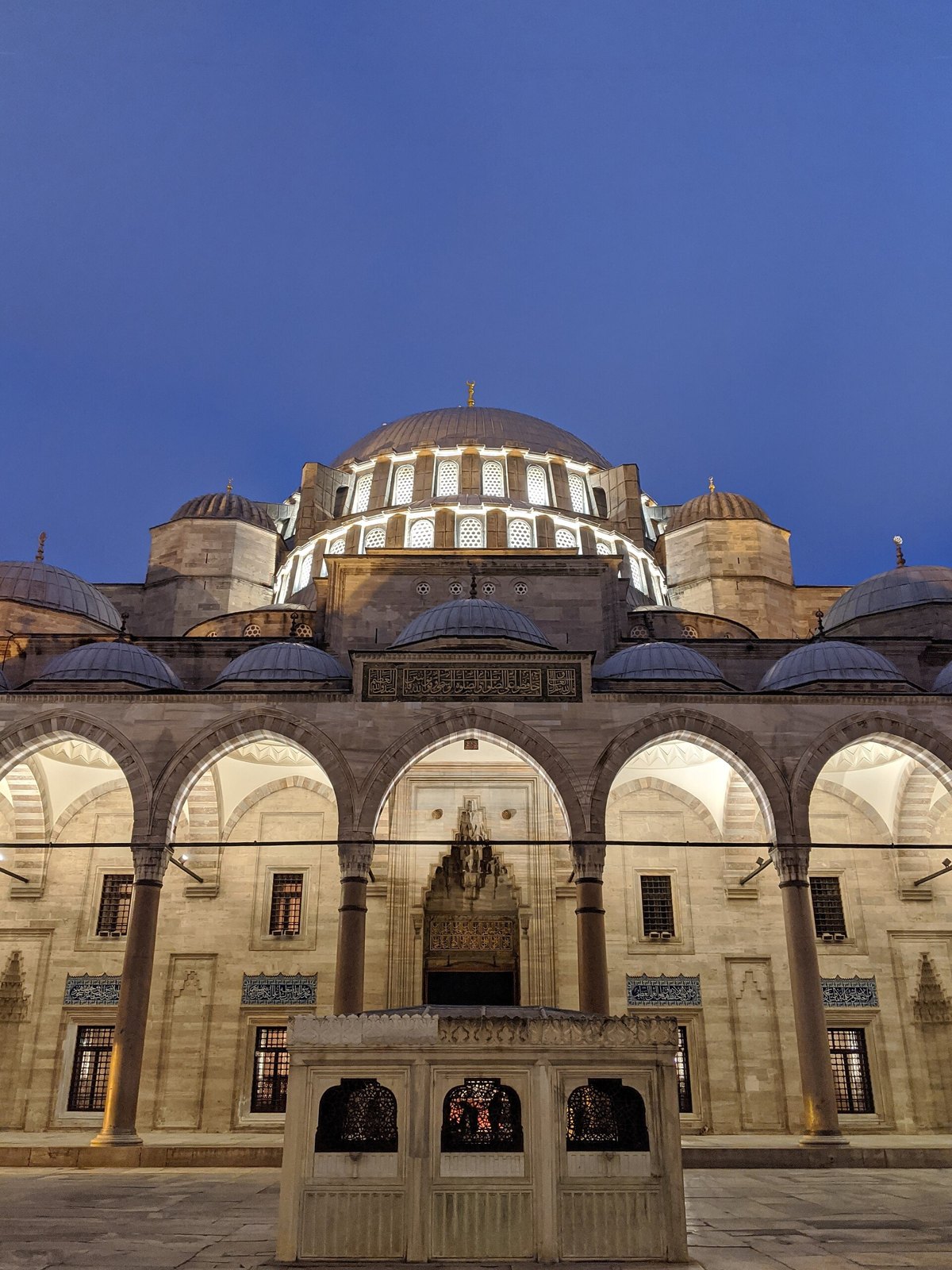
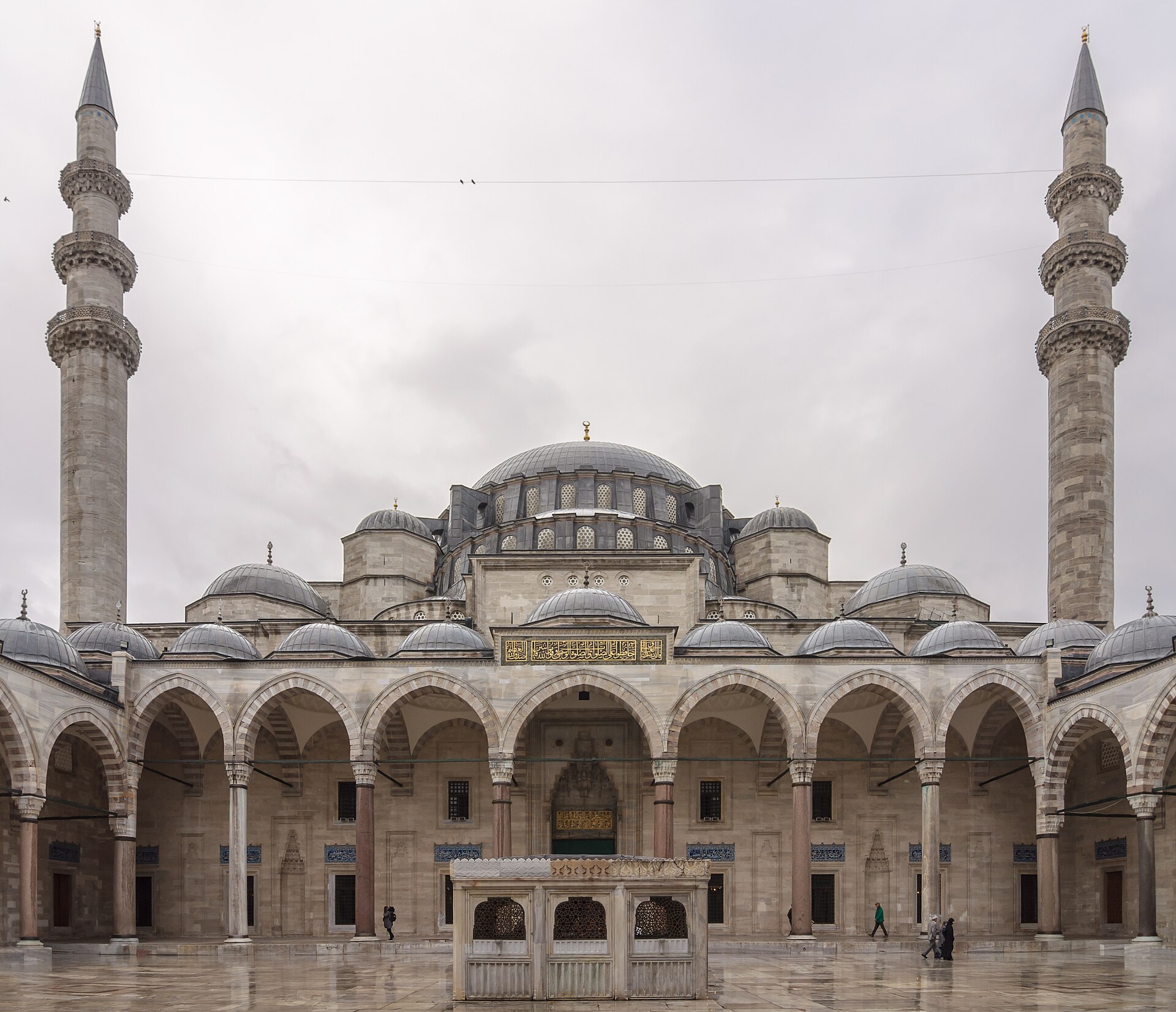
Istanbul’s most visited mosques are built, quite literally, to handle sightseers. Sultanahmet Mosque and the Süleymaniye Mosque — the latter part of the UNESCO-inscribed Historic Areas of Istanbul — have separate visitor entrances away from the worshippers’ door, staff managing the flow during and after prayer, shoe racks sized for hundreds of pairs, and scarves to borrow. Closure during prayer is brief, well signed, and expected: you wait outside for twenty or thirty minutes and go back in.
None of that exists at an ordinary neighborhood mosque. There is one door, one prayer hall, and no one assigned to manage tourists. A small mosque in Kadıköy, Üsküdar or a residential side street off İstiklal Caddesi has worshippers who live nearby and pray on a schedule they know without checking an app. Walking in mid-prayer there is not an inconvenience to route around — it is stepping into the middle of a service in a room with no separation between visitors and the congregation. The dress code matters more here too, precisely because there is no one at the door to hand out a scarf if you forgot one.

How to actually check before you go
The only reliable source is the Diyanet’s own prayer-time listings, searchable by city and updated daily; most Turkish prayer-time apps simply pull from the same feed. Checking takes under a minute and tells you the day’s five times and, from those, roughly when to avoid arriving. There is no substitute for checking on the day — a time correct last week can be ten or fifteen minutes off this week.
Ramadan and the two bayrams
During Ramadan, the fasting month on the Islamic lunar calendar, mosques fill for the sunset meal and again for the night prayer, and evening crowds around major mosques grow well beyond an ordinary day. The two bayrams that follow the fasting month and the pilgrimage season bring extended closures at some sites and heavier crowds at working mosques generally. Ramadan’s dates move roughly eleven days earlier each Gregorian year, so it is not something a fixed guidebook date can capture — check the current year’s dates before planning a trip that touches it.

Getting there without paying for a private boat
Several of the city’s most visited mosques sit close to the water — Ortaköy Mosque, right on the Bosphorus shore, is the clearest example. The public ferries that cross the strait take the same İstanbulkart used on the trams, buses and metro, at a fraction of what a moored “Bosphorus cruise” boat charges for the same stretch of water; the site covers this in more detail under why the Bosphorus ferry is public transport, not a tour. For the tram route most visitors use to reach Sultanahmet and Süleymaniye, and for how transfers between tram, metro and ferry are priced, see how the İstanbulkart works, and what it doesn’t cover, and the broader Getting Around archive for the rest of the network.
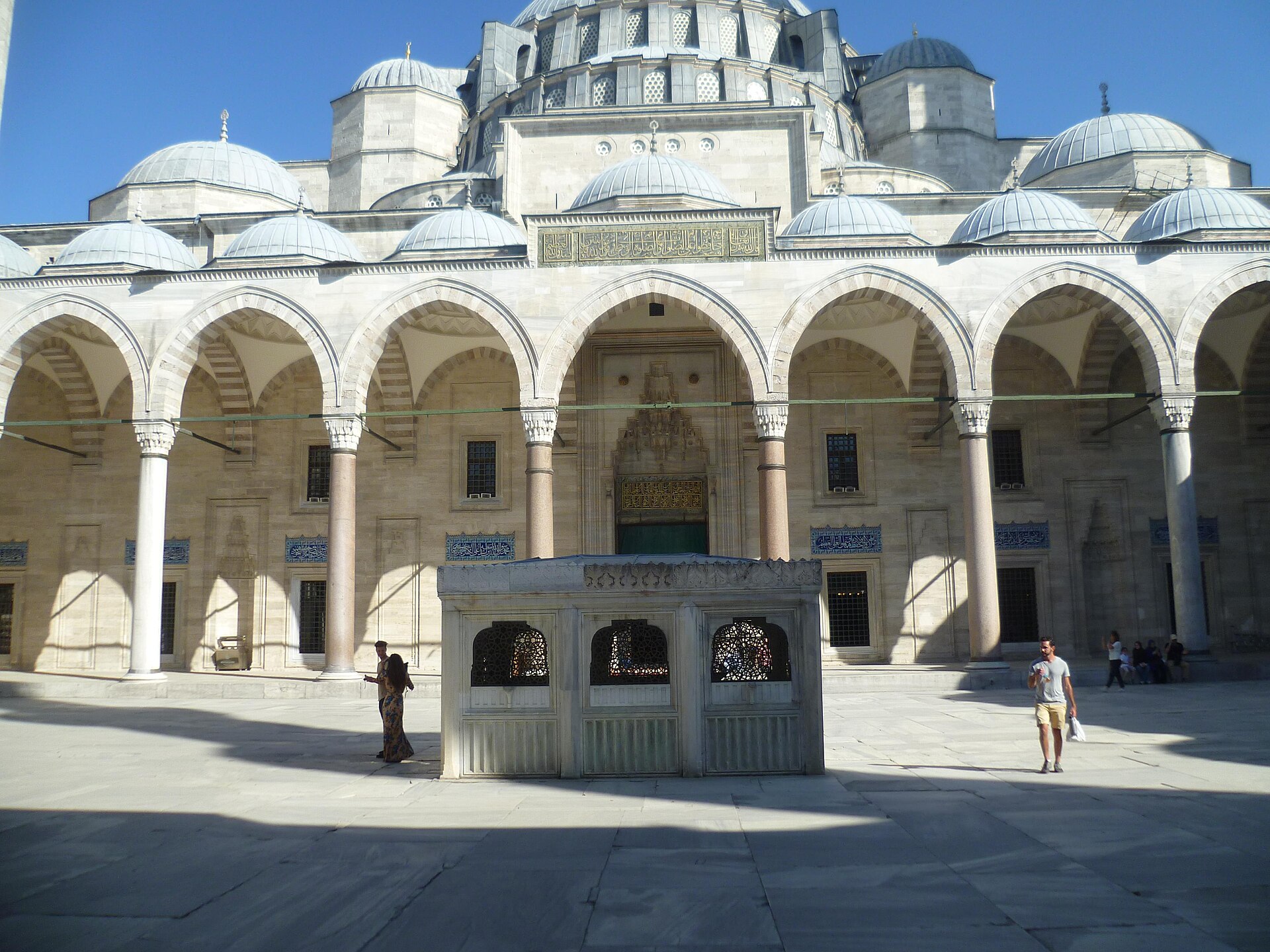
Sultanahmet and Süleymaniye both sit on the European side, within walking distance of each other in the old city; if a mosque visit is being combined with a crossing to Üsküdar or Kadıköy on the Asian side, budget the ferry crossing as a short, ordinary commute rather than an excursion in itself.
What this site is and isn’t
Access Istanbul is an independent guide, not a tour operator, and no one on the editorial team is claiming to have stood in these prayer halls. What’s written here is checked against the Diyanet’s own published material and UNESCO’s listing for the Historic Areas of Istanbul, not against a personal visit. Details on how this site is researched and paid for are on the About page, and what’s collected when you read it is set out in the privacy policy.
The Diyanet İşleri Başkanlığı publishes the day’s prayer times for Istanbul and every other Turkish city on its own site, and that page — not a fixed table in an article — is the one to check before setting out. UNESCO’s own listing for the Historic Areas of Istanbul covers the Süleymaniye Mosque and the reasoning behind its inscription, for readers who want the primary source rather than a summary.
Access Istanbul is an independent guide written from published, checkable sources. We have not visited the places described here and we do not publish personal recommendations or invented ‘local favorites’ — where something is singled out as notable, we say who says so. Opening times, fares, closures and prices change at short notice, so treat everything here as a starting point and confirm with the museum, operator or venue directly before building a day around it. We give no advice on visas, insurance, health or safety; use your own government’s official guidance for those.
Featured image: Photo by User:Ggia, source, CC BY-SA 3.0
