Bargaining in the Grand Bazaar works because most goods inside are priced to be negotiated, not because every vendor wants to fight over every lira. The useful skill isn’t performing reluctance. It’s knowing which goods have a real floor price — gold does — and which are marked up purely to see what a visitor will pay without checking.
What the Grand Bazaar Actually Is
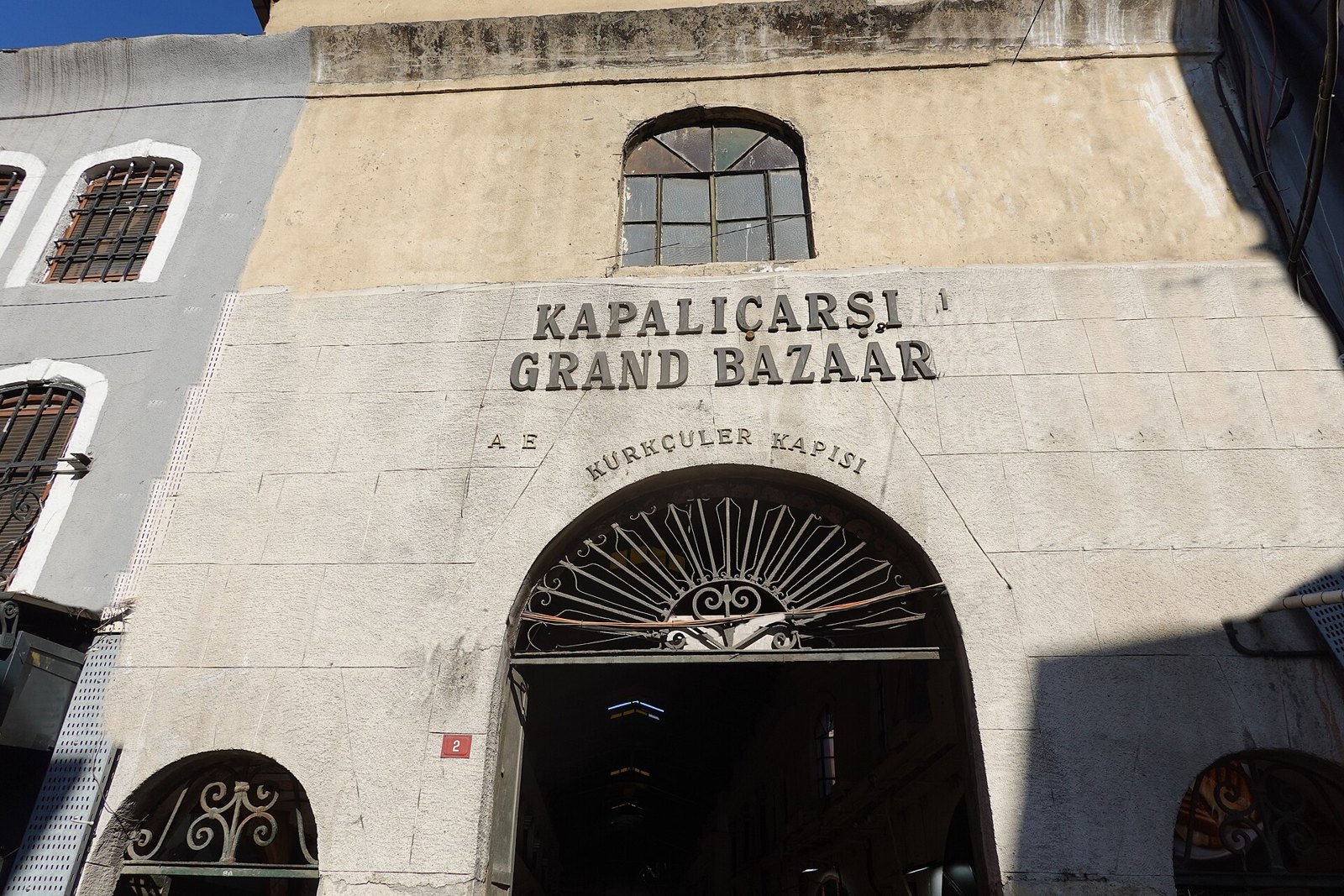
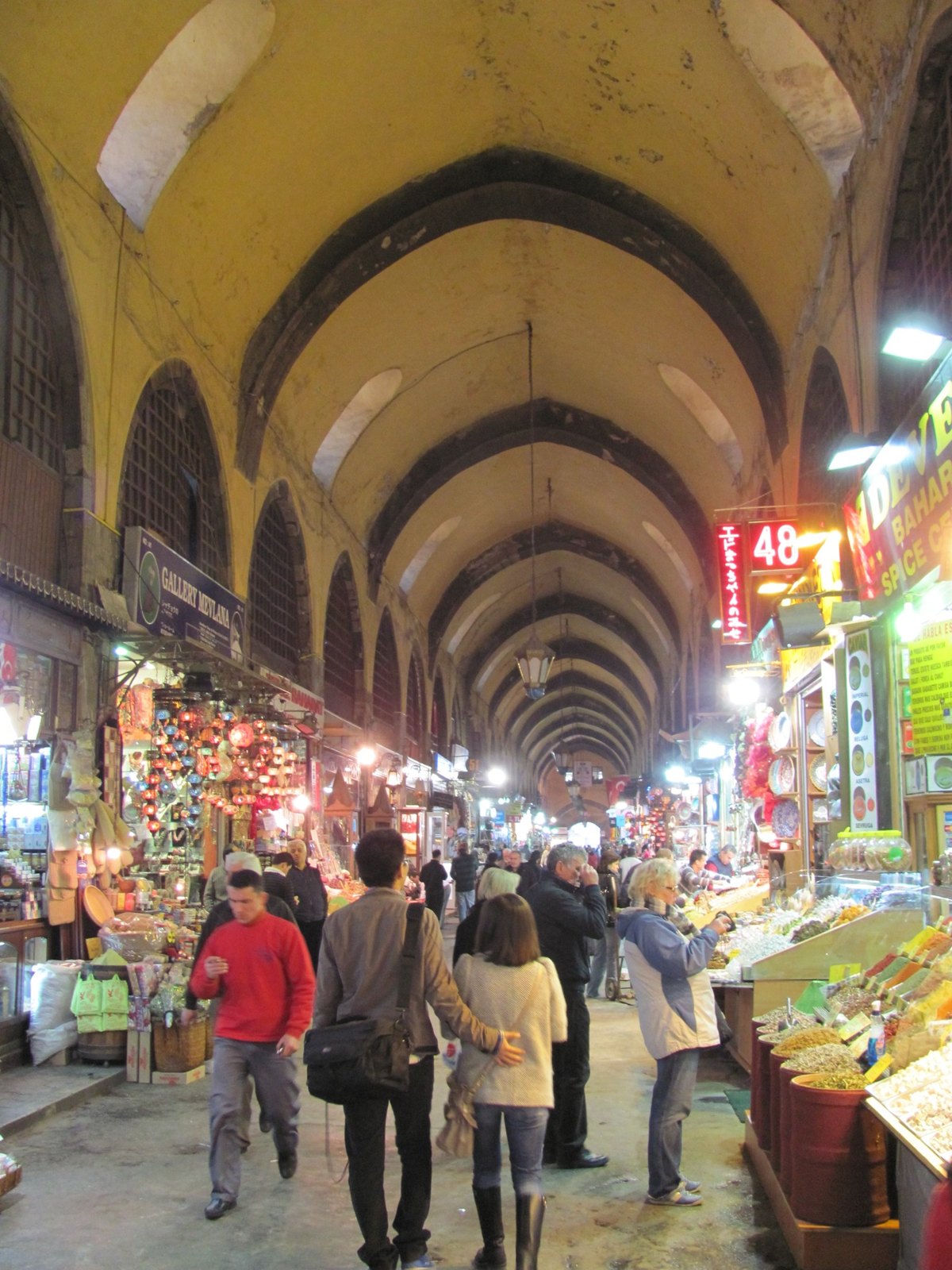
The Kapalıçarşı — literally the “covered market” — dates to the 1450s and 1460s, built in the years after Mehmed II took the city in 1453. Britannica’s entry on the bazaar describes it as one of the oldest and largest covered markets in the world, with several thousand shops strung along dozens of covered streets. It has been rebuilt after fires and earthquakes more than once, and it still functions as a working trade district, not a museum piece.
Why Everything Has Two Prices
Almost nothing in the bazaar carries a price tag that’s final. Shops expect a conversation, and the opening figure is built with that conversation in mind. For most goods — ceramics, leather, textiles, carpets — the asking price already assumes pushback. It starts well above what the seller will actually accept.
Gold is different. Its price has a public, external anchor that neither party controls.
The Category Rule: What’s Worth Haggling Over
Not every stall rewards the same amount of effort. The distinction that matters is whether the raw material has a checkable external price, or whether the shop sets it alone.
| Category | How it’s priced | Realistic opening offer | Typical room to move |
|---|---|---|---|
| Gold and silver jewelry | By weight, against the day’s spot metal price, plus a workmanship fee | Close to the asking price | Roughly 5–10%, mostly on the workmanship fee |
| Carpets and kilims | Set by the shop; material and labor cost vary widely and aren’t disclosed | 30–40% of the asking price | Markups commonly run 200–500% over production cost |
| Leather goods | Set by the shop; same logic as carpets | 30–40% of the asking price | Wide, same order as carpets |
| Ceramics and tiles | Set by the shop; hand-painted work varies more than printed | 30–40% of the asking price | Wide, same order as carpets |
The mechanism explains the gap. A gold bracelet’s material cost is public: the gram price of gold is published daily, and the same figure applies citywide. A shop can inflate the labor charge a little, but it can’t invent a higher gold price without the buyer checking. That caps how far the final number can move.
A carpet has no such anchor. Wool, dye, knot density, and where it was woven all affect cost, and none of it is printed anywhere. The asking price is a starting position, not a verified calculation. That’s why carpets, leather and ceramics are commonly described as carrying markups in the low hundreds of percent. Opening near a third of the asking price is normal there, not insulting.


How the Gold Floor Actually Works
Turkish jewelers price gold by weight against the day’s gram price, not by haggling it out of thin air. That gram price tracks the international spot price for gold, tracked and published continuously by sources such as the World Gold Council. Borsa İstanbul, the Istanbul exchange, publishes the domestic reference figure each trading day.
On top of that material cost sits a workmanship fee — called işçilik — covering the setting, the design and the shop’s margin. That fee is the only part genuinely open to negotiation. A plain gold band has little işçilik to shave off. An elaborate, hand-finished piece has more room, simply because more of its price is labor rather than metal.
The Mechanics of a Negotiation
None of this requires theater. A plain opening counter — a third to forty percent below the asking price for marked-up categories — signals that you know roughly where the real value sits. The seller’s counter-offer tells you how much room actually exists.
Walking away works because it’s usually true, not because it’s a tactic. Comparable items sit two stalls over. If a price doesn’t move to something comfortable, leaving costs nothing.
Cash and card both circulate inside the bazaar, though cash sometimes earns a small discount since it avoids card fees for the seller. How cash and cards actually work in Istanbul covers the wider pattern, including where a foreign-card surcharge is more likely to appear.

When Bargaining Isn’t an Option
The Grand Bazaar is closed on Sundays and on public holidays — a fact that strands more itineraries than any pricing question. Why the Grand Bazaar closes on Sundays, and where to go instead lays out the alternatives for that day. The Spice Bazaar, a separate market near Eminönü, stays open.
A smaller number of shops inside the bazaar post fixed prices, usually larger jewelry houses or antique dealers with an established international clientele. A fixed sign there generally means fixed; pushing against it rarely moves anything.
Getting There
The Grand Bazaar sits on the European side, a short walk from the Beyazıt stop on the T1 tram line. The T1 tram, stop by stop covers the walk from Beyazıt and the other historic-district stops nearby. The same İstanbulkart used on the tram, the metro and the ferries covers the ride in; what the İstanbulkart does and doesn’t cover explains the card’s limits.
For the wider category of markets, covered and open-air, the Bazaars & Shopping archive covers more of them. Broader trip logistics — what to plan around, what recurs each season — sit in Planning & Practicalities.
None of this guarantees a particular outcome at a particular stall. It only shows where real negotiating room exists, and where it doesn’t — the difference between haggling over a workmanship fee and haggling over a number with nothing behind it.
Access Istanbul is an independent guide written from published, checkable sources. We have not visited the places described here and we do not publish personal recommendations or invented ‘local favorites’ — where something is singled out as notable, we say who says so. Opening times, fares, closures and prices change at short notice, so treat everything here as a starting point and confirm with the museum, operator or venue directly before building a day around it. We give no advice on visas, insurance, health or safety; use your own government’s official guidance for those.
Featured image: Photo by Ank Kumar, source, CC BY-SA 4.0
