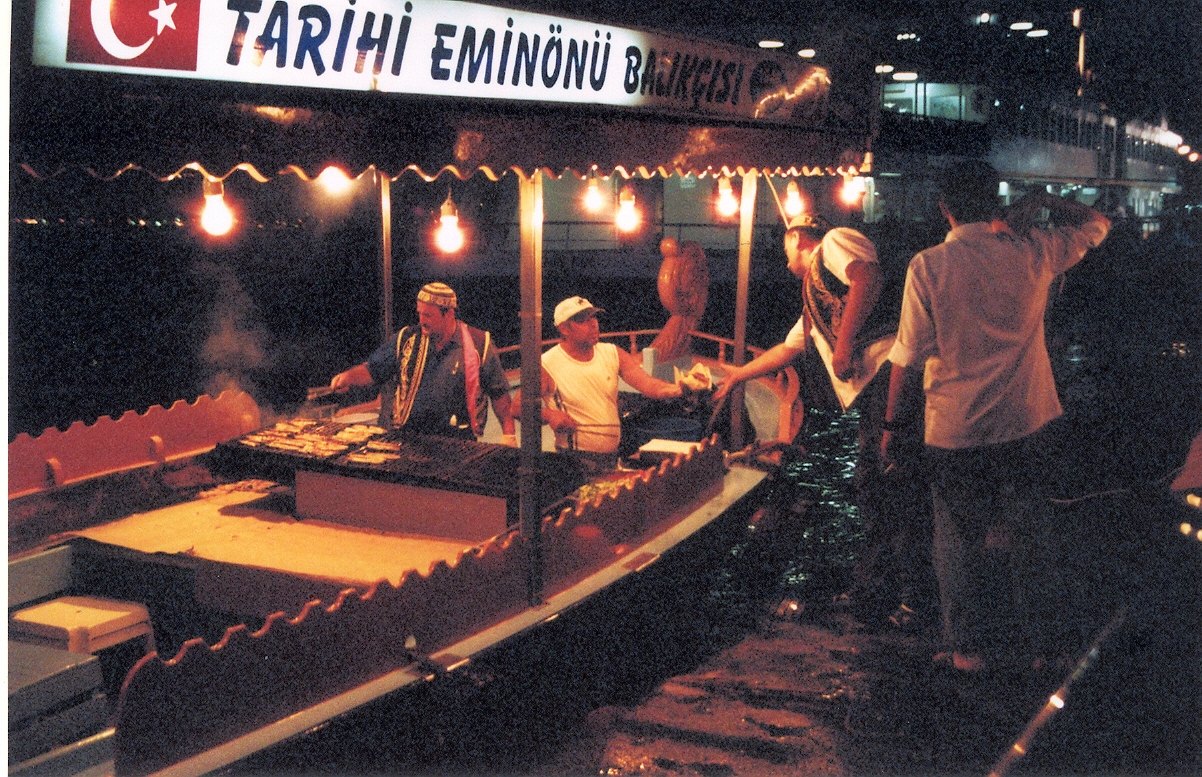
A meyhane menu has no fixed order on the page, but the meal has a fixed order in practice: cold meze first, then hot meze, then fish or meat, with rakı poured throughout rather than saved for the end. The sequence matters more than any single dish, and knowing it is what stops a table from ordering everything at once and eating it cold.
What a meyhane actually is
A meyhane is a tavern built around rakı and small shared plates, distinct from a lokanta (a plainer, faster restaurant) or a restoran serving a single main course per person. The word comes from the Persian for “wine house,” and the tradition runs through Greek, Armenian and Jewish taverna culture in the city as much as Turkish. Istanbul’s best-known concentration sits on and around Nevizade Sokağı, a narrow street behind the Balık Pazarı (Fish Market) off İstiklal Caddesi in Beyoğlu. Kadıköy, on the Asian side, has its own dense cluster of meyhanes around its bar streets, covered separately in this site’s guide to Kadıköy in a day.
The order dishes arrive in
The meal runs in three stages, and each stage has a job.
- Soğuk mezeler (cold meze) — arrive first, ordered as a group of three to six small dishes for the table. These are vegetable, bean and dairy-based: patlıcan salatası (smoked aubergine), haydari (strained yoghurt with garlic), piyaz (white bean salad), and similar.
- Sıcak mezeler (hot meze) — ordered once the cold plates are mostly cleared, not alongside them. Fried or sautéed dishes: kalamar (calamari), midye tava (fried mussels), sigara böreği.
- Balık or et (fish or meat) — the main course, ordered last and often by weight or by the piece for whole fish. It is the most expensive part of the bill and the part where the day’s catch, not the printed menu, decides what is actually available.
Rakı is poured through all three stages, usually diluted with water in a ratio each drinker sets for themselves, commonly somewhere near one part rakı to two or three parts water, with ice added separately rather than into the glass. It is not a shot drunk between courses; it is sipped alongside the food for the length of the meal.
Ordering in rounds, not all at once
The standard competitor advice on this point is correct as far as it goes: order a small first round of cold meze, let the table eat, then order the next round. A meyhane kitchen is built to fire dishes in waves, and a single enormous order arrives bunched together and goes cold on the table. What most guides leave out is what happens between the rounds — specifically, what gets placed on the table that nobody ordered.


The unordered meze, and how it gets onto the bill
At many meyhanes, a server brings a small tray of extra cold dishes to the table unasked, sometimes describing them as a “tasting,” a welcome plate, or simply setting them down without comment. If the lids stay on and nobody touches them, they can usually be returned at no charge. Once a dish is opened, or a fork goes into it, it is treated as ordered and appears on the bill at full price. This is not universal and not illegal — restaurants are entitled to serve what they like — but it is a well-documented friction point between staff working on turnover or presentation and tables that did not ask for extra food.
The practical response is timing, not confrontation. When the tray lands, before any lid is lifted, say clearly: “Bunları istemedik, geri alabilir misiniz?” (“We didn’t order these, can you take them back?”) A shorter version that works in most tourist-facing meyhanes: “Sipariş etmedik” (“We didn’t order this”), said while pointing, before touching the plate. Saying it after a few bites changes nothing — by then it is reasonable for the kitchen to charge for it.
A second, independent check happens at the bill. Meyhane checks typically itemise each meze by name, which makes a line-by-line comparison straightforward:
| Step | What to do | Why it works |
|---|---|---|
| Before ordering | Ask whether a “tasting” or cover charge applies at all | Some meyhanes charge a small fixed cover (masa açılış) that is separate from meze and legitimate — ask once, up front, so a later charge isn’t a surprise |
| When a tray arrives unprompted | Say “Sipariş etmedik” before any lid comes off | Declining before opening is the point at which a dish can still be returned without charge |
| Through the meal | Keep a rough mental tally, or a note on a phone, of each round ordered | Rounds arrive spaced out over an hour or more, which makes the running total easy to lose track of |
| At the bill | Read the itemised check line by line against what was actually ordered | Printed itemised bills make a mismatch visible immediately, rather than needing to be worked out after leaving |
| If a mismatch is found | Point to the specific line and ask for it to be removed before paying | Disputing a named item on a printed check is a concrete, checkable claim the restaurant can act on at the table |
If a dispute over a bill cannot be resolved at the table, Turkey’s consumer protection framework allows a complaint to a local consumer arbitration board (tüketici hakem heyeti), and Istanbul’s municipal market inspectors (zabıta) handle complaints about pricing and posted menus within the city. Details of how to file a complaint are published by Turkey’s Ministry of Trade.
Reading the printed menu itself
Printed meyhane menus commonly separate soğuk mezeler and sıcak mezeler as headed sections, with fish priced separately — often by weight, sometimes with the day’s price written on a small card or told verbally rather than printed, because it tracks the wholesale catch. A menu that prints no fish prices at all is not unusual and not automatically a warning sign, but it is worth asking the per-kilo or per-piece price before ordering a whole fish, for the same reason it’s worth checking a price before confirming any purchase in the city — a habit covered more generally in this site’s guide to cards, cash and Istanbul’s two-tier pricing, and in its piece on what is worth questioning at the point of sale.

Getting to a meyhane district
Beyoğlu’s meyhane streets sit a short walk from the T1 tram’s Karaköy or Kabataş stops, detailed stop by stop in this site’s guide to the T1 tram end to end. Kadıköy’s meyhanes are reached by the public ferry across the Bosphorus from the European side — the same İstanbulkart used on the tram and metro, not a separate tourist boat ticket. More on the city’s food and drink patterns generally is gathered in the Food & Drink section, and on how different districts function day to day in Neighbourhoods.
This article describes a general pattern reported across guides to Turkish tavern dining and consumer complaint channels; it is not based on a visit by this site’s writers, and individual meyhanes vary. General planning notes on how the city’s daily rhythms and pricing norms work are collected in Planning & Practicalities.

Access Istanbul is an independent guide written from published, checkable sources. We have not visited the places described here and we do not publish personal recommendations or invented ‘local favorites’ — where something is singled out as notable, we say who says so. Opening times, fares, closures and prices change at short notice, so treat everything here as a starting point and confirm with the museum, operator or venue directly before building a day around it. We give no advice on visas, insurance, health or safety; use your own government’s official guidance for those.
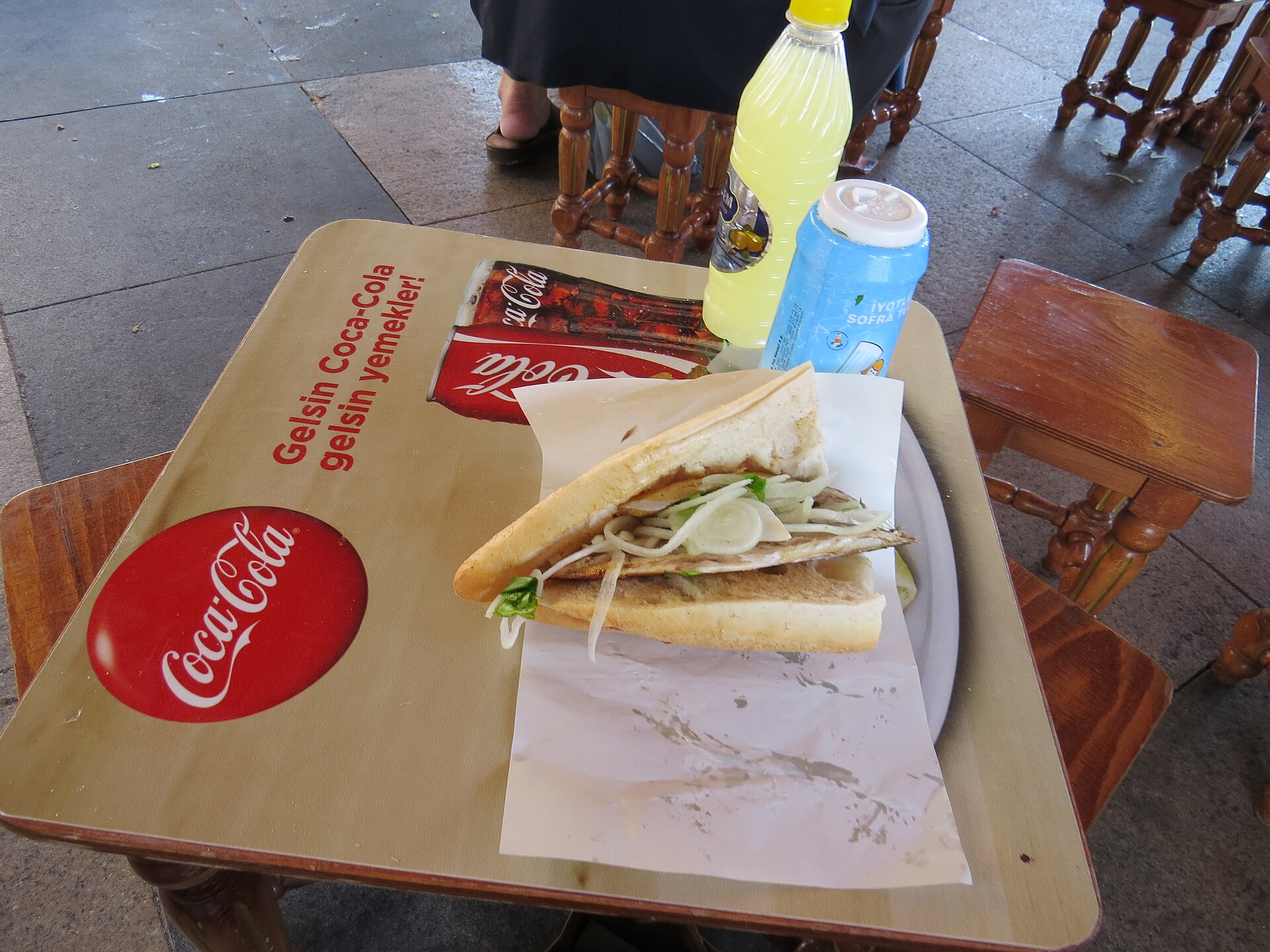
Featured image: Photo by Fulvio Spada from Torino, Italy, source, CC BY-SA 2.0
