Since 2024, Hagia Sophia functions as two spaces in one building. The ground floor, where prayer is carried out, is free to enter whenever it isn’t closed for prayer. The upper gallery sits above it, reached by a separate entrance. It is a ticketed museum section, and it stays open through those prayer closures.
Two buildings, one footprint
Hagia Sophia reopened as a mosque in July 2020. A Turkish court ruling ended its decades as a state museum that year. Daily prayer returned to the ground floor. The mosaics, the marble, and the dome stayed exactly where they were. Visitors kept coming, in numbers the building was never designed to absorb. The result is the arrangement this article covers: one free level for worship, one paid level for sightseeing.
How the split works
The ground floor is the working mosque. Entry costs nothing, at any hour it is open to visitors. Shoes come off. Shoulders and knees stay covered. Women cover their hair. These are the same rules that apply at any working mosque in the city, and this site’s guide to visiting a working mosque in Istanbul covers the dress code in full. Non-Muslim visitors are welcome between prayers. They stand at the rear, behind a rope line that keeps the prayer area clear.
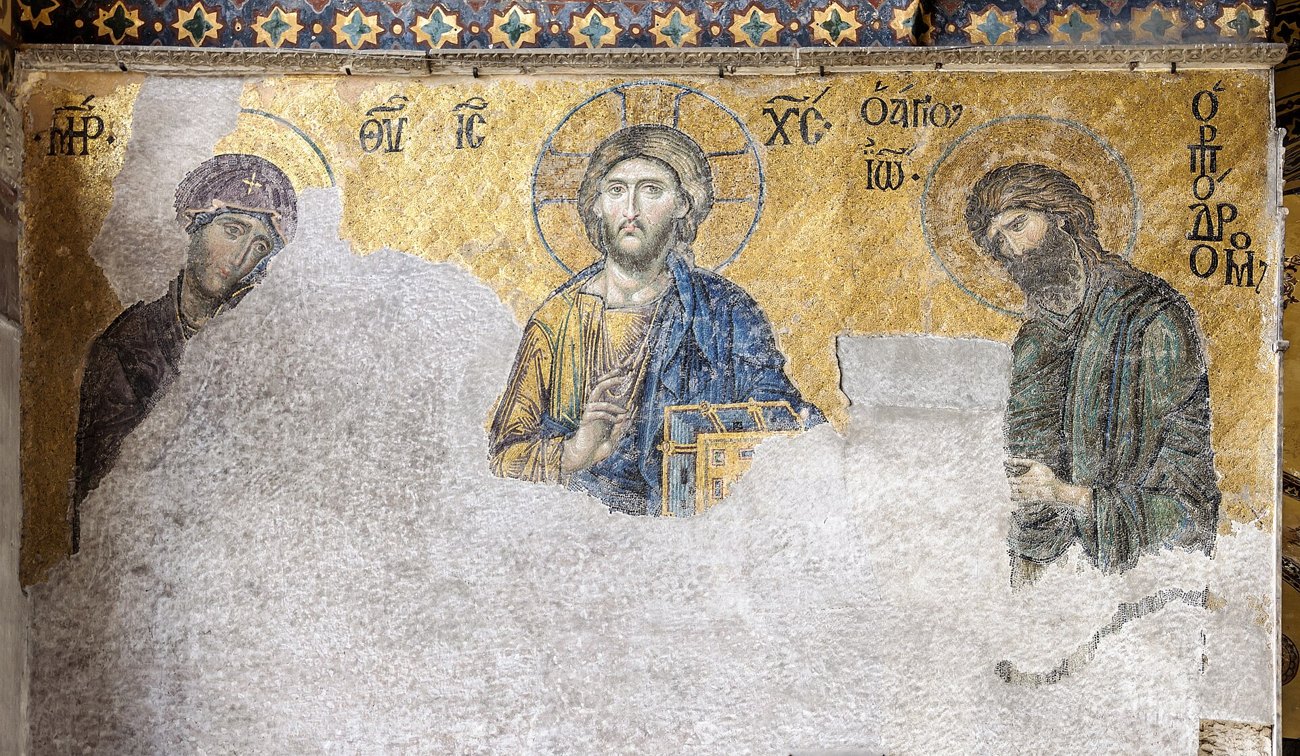
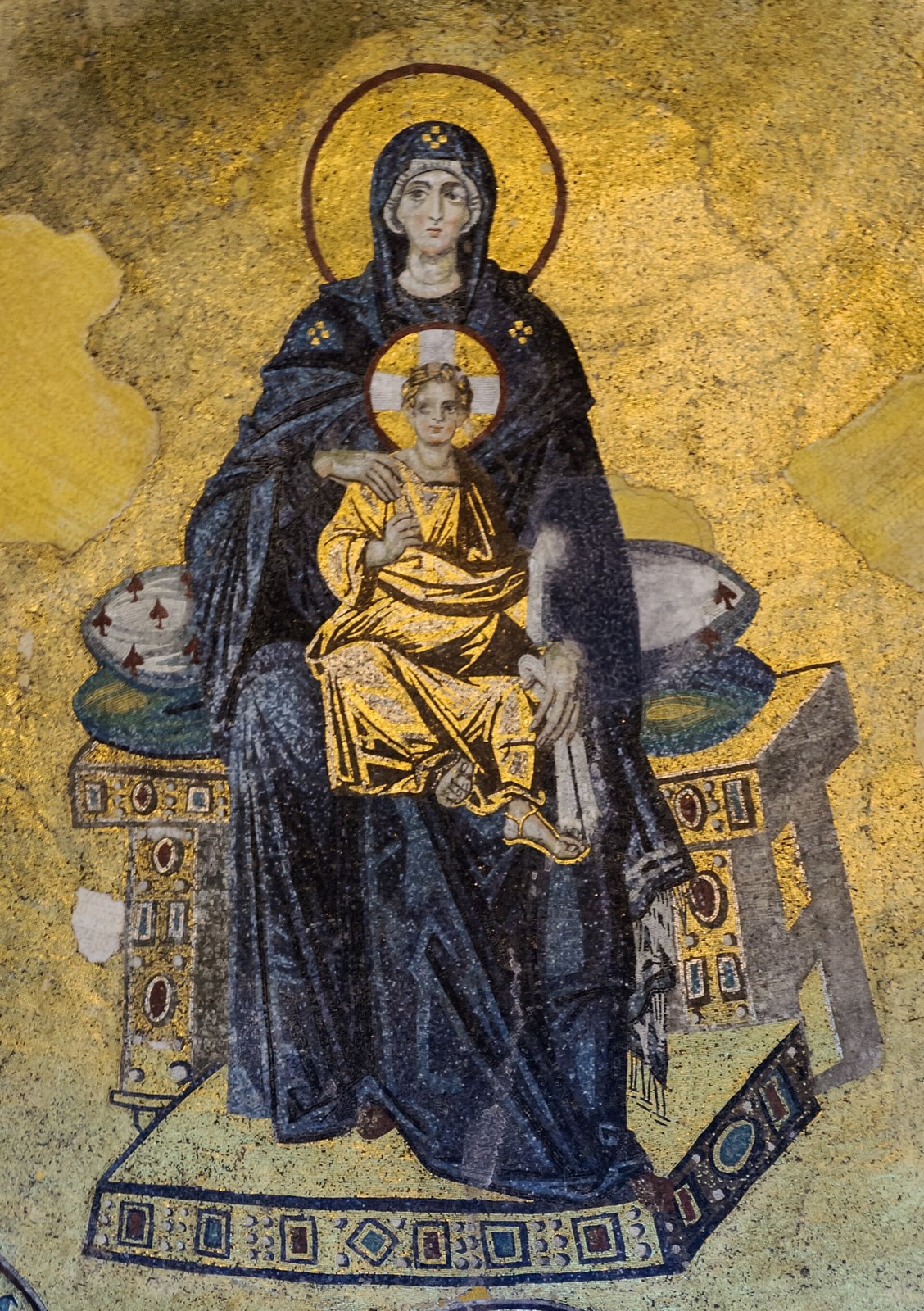
The upper gallery is different. It has its own entrance and staircase, on the building’s western side. It holds the Byzantine mosaics most associated with Hagia Sophia, including the Deësis and the Empress Zoe panel, and it gives the long view down into the nave. This floor is ticketed and timed, run as a museum section inside a working mosque. It has its own queue, often its own hours, and a fee set in euros for foreign visitors. That two-tier pricing is used across Turkish state sites, and it’s explained in full in this site’s guide to money in Istanbul.
The five closures a free-floor visit has to work around
This is the detail most articles skip. The ground floor closes to tourist visits around each of the five daily prayers. It closes for longer around Friday midday prayer, the week’s main congregational service. Exact times move with the sun and the calendar. They are not a fixed timetable, which is why this site’s guide to prayer times as opening hours exists as a companion piece, not a schedule. The Presidency of Religious Affairs, which administers Hagia Sophia as a mosque, publishes each day’s prayer times. Nothing printed in an article will stay accurate for more than a season.
What stays constant is the shape of the disruption, not the clock on it:
| Closure | Typical length | Ground floor (free) | Upper gallery (ticketed) |
|---|---|---|---|
| Each of the five daily prayers | Roughly 30–45 minutes | Cleared of visitors | Stays open |
| Friday midday prayer | Longer, sometimes over an hour | Cleared of visitors | Stays open |
Practically, this sets the order of a visit. The upper gallery runs on its own posted hours. It is not affected by the call to prayer below it. Visitors who see the gallery first, then come down for the ground floor, rarely hit a locked door. Visitors who do it the other way round sometimes do. Friday is the sharpest case. The midday closure runs longer than the other four. Arriving at the ground floor in that window is the most common way a visit here goes wrong.
Tickets, queues, and where the numbers live
The ticketed gallery is sold through Turkey’s state museum ticketing system. Increasingly, it’s sold as a timed online slot rather than an on-the-day queue. Prices, hours, and the booking window all change. Foreign-visitor admission to Turkish state sites is set in euros, and it has risen repeatedly with inflation. No figure printed here would survive the year. The operator to check is Turkey’s Ministry of Culture and Tourism ticketing portal, muze.gov.tr, which lists current fees and any seasonal hour changes for the gallery.
The ground floor has no ticket and no booking system. It’s a mosque, not an exhibit. It can still have a line, especially right after a prayer closure ends, when everyone who was turned away returns at once.
Where this sits, and what’s around it
Hagia Sophia stands in Sultanahmet, the old walled core of the city, on the European side. The Blue Mosque and Topkapı Palace are both a short walk away. UNESCO lists the historic areas of Istanbul, including this square, as a World Heritage Site. The T1 tram’s Sultanahmet stop sits almost at the door, and this site’s stop-by-stop guide to the T1 tram covers what else sits along the same line. The square also sits inside the old city’s Sunday problem. The Grand Bazaar closes that day. This site’s guide to why the Grand Bazaar closes on Sundays, and where to go instead is worth checking before building a longer itinerary around it.
Access Istanbul doesn’t sell tickets, book guides, or take commissions from any museum, mosque, or ferry operator in the city. How this site is written and checked, and what it collects from readers, is set out in its about page and privacy policy.
Access Istanbul is an independent guide written from published, checkable sources. We have not visited the places described here and we do not publish personal recommendations or invented ‘local favorites’ — where something is singled out as notable, we say who says so. Opening times, fares, closures and prices change at short notice, so treat everything here as a starting point and confirm with the museum, operator or venue directly before building a day around it. We give no advice on visas, insurance, health or safety; use your own government’s official guidance for those.