The right base in Istanbul depends on three things: which continent you don’t mind crossing water for, what time your flight leaves, and how late you plan to be out at night. A monument-focused trip, a nightlife-led trip and a one-night layover point to three different neighbourhoods. Pick on vibe alone and you can end up stranded by a timetable you didn’t check.
Start with the continent, not the neighbourhood
Istanbul straddles the Bosphorus in the literal sense: one half of the city is in Europe, the other in Asia. The province holds close to sixteen million people, counted annually by Turkey’s Statistical Institute (TÜİK), and the sights most visitors come for sit on a small slice of the European side. Most first-time trips never leave it.
That’s a reasonable plan if your days are built around Sultanahmet and Beyoğlu. It stops being reasonable the moment your evenings pull you across to Kadıköy, on the Asian side, more nights than not. Every crossing back has a last sailing. Miss it and the alternatives cost more and take longer.
The ferry cut-off that decides a Kadıköy stay
The public ferries are run by Şehir Hatları, and they’re transport, not a tour — the same card, the same fare band as a bus, for a Bosphorus crossing some boats moored at the tourist piers charge many times as much to sell as a “cruise”. That distinction matters here for a practical reason: the Kadıköy–Eminönü line, like the other cross-strait routes, stops running for the night. Current sailing times are published on Şehir Hatları’s own timetable, and they shift with the season, but the last boat tends to be somewhere around half past midnight.
After that, Marmaray, the rail tunnel under the strait, is the backup — but it also closes overnight, on its own schedule. Once both have stopped, the only way across is a taxi over one of the bridges: metered, slower, and not cheap at that hour.
That gives a clean decision rule. If you’re staying European side and expect to be out in Kadıköy past midnight more than once, don’t rely on timing the last boat each night — book the stay itself on the Asian side instead, in Kadıköy or in Üsküdar. If an occasional late crossing is all you’re planning, European side with Marmaray as a fallback works fine.

The early flight problem
The same logic runs in reverse for departures. The M11 metro line connects Istanbul Airport directly to the city, and it doesn’t run around the clock — first and last services are published by the operator, Metro İstanbul, and are worth checking before you book anything. A Havaist coach is the other option, on its own separate schedule; see our comparison of the two for how they differ.
If your flight needs you airside before the M11’s first train of the day leaves, a hotel in Sultanahmet does nothing for you. A taxi from the old city to the airport at that hour takes considerably longer than one from a hotel near the airport corridor or a Havaist stop. The rule: for the single night before an early departure, default to the airport corridor, even if the rest of the trip is based elsewhere.

Four trips, four bases
Put together, the continent question, the ferry cut-off and the flight-time question narrow most trips to one of four sensible bases. The table below is a starting point, not a verdict — check current transit timetables before booking, since both ferry and metro schedules are revised periodically.
| Trip type | Best base | Continent | Transit note | Watch for |
|---|---|---|---|---|
| First visit, monument-led | Sultanahmet | European | On the T1 tram line; most major sights walkable | Grand Bazaar shut Sundays; mosques close around each prayer |
| Evening-led, food and bars | Beyoğlu | European | Funicular and tram link to the old city and Karaköy | Steep hills; funiculars also stop for the night |
| Longer stay, local pace | Kadıköy or Üsküdar | Asian | Ferry to Eminönü or Karaköy; Marmaray as backup | Last ferry has a cut-off; plan the return before you go out |
| One-night layover, early flight | Airport corridor | European | Direct M11 line; Havaist coach alternative | Furthest from the historic core; little reason to stay longer |
What stays the same wherever you sleep
A few things don’t change by neighbourhood, and they’re worth knowing before you pick one. A single İstanbulkart covers the tram, metro, buses, funiculars, Marmaray and the public ferries, with a discount on transfers made close together — so the card works the same whether you’re based in Sultanahmet or Kadıköy. The Grand Bazaar is closed on Sundays and on public holidays regardless of where you’re staying; the Spice Bazaar stays open. And Istanbul has never been Turkey’s capital — that’s been Ankara since 1923 — which doesn’t affect where to sleep, but it’s the single fact that trips up more guidebooks about this city than any other.
For the sights themselves, the UNESCO-inscribed Historic Areas of Istanbul — the peninsula that includes the old city’s monuments — are listed on UNESCO’s own record, which is a reasonable way to confirm what actually falls inside Sultanahmet’s historic core versus what’s simply nearby.
None of this replaces checking the operators directly before you travel. For more on how the trams, ferries and Marmaray fit together day to day, see the Getting Around archive; for the neighbourhoods themselves in more depth, the Neighbourhoods archive covers each one on its own terms.



Access Istanbul is an independent guide written from published, checkable sources. We have not visited the places described here and we do not publish personal recommendations or invented ‘local favorites’ — where something is singled out as notable, we say who says so. Opening times, fares, closures and prices change at short notice, so treat everything here as a starting point and confirm with the museum, operator or venue directly before building a day around it. We give no advice on visas, insurance, health or safety; use your own government’s official guidance for those.
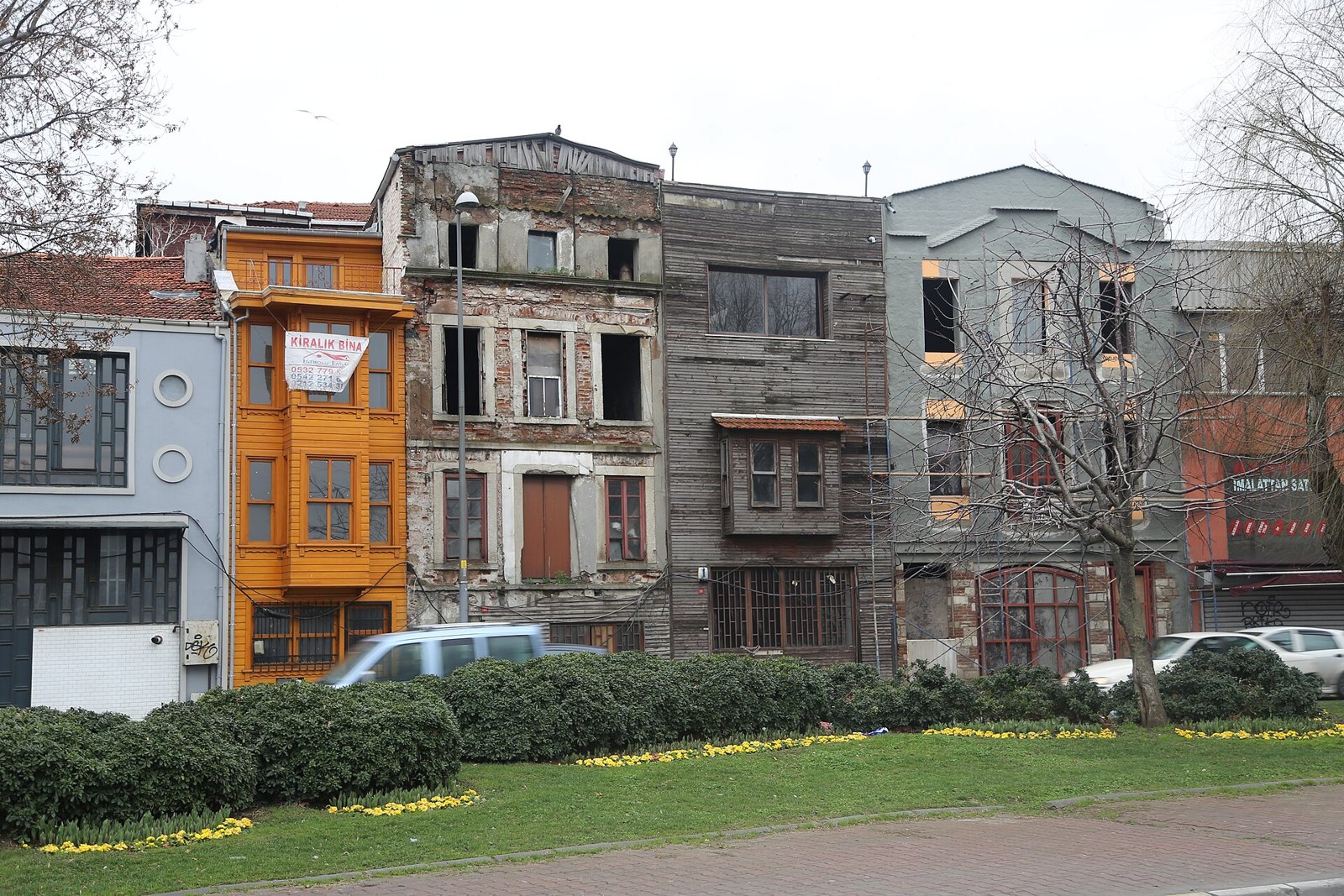
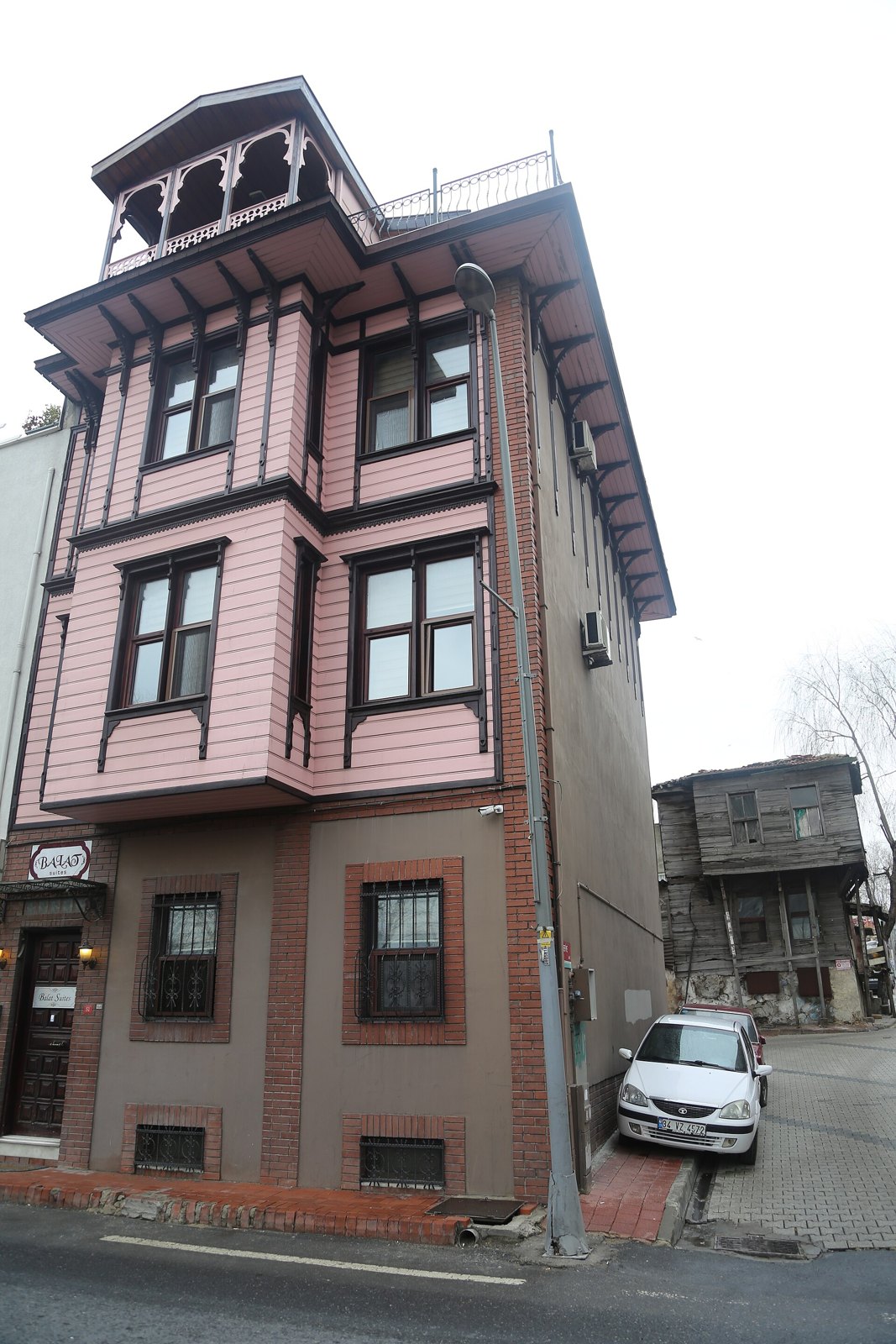
Featured image: Photo by Jwslubbock, source, CC BY-SA 4.0
