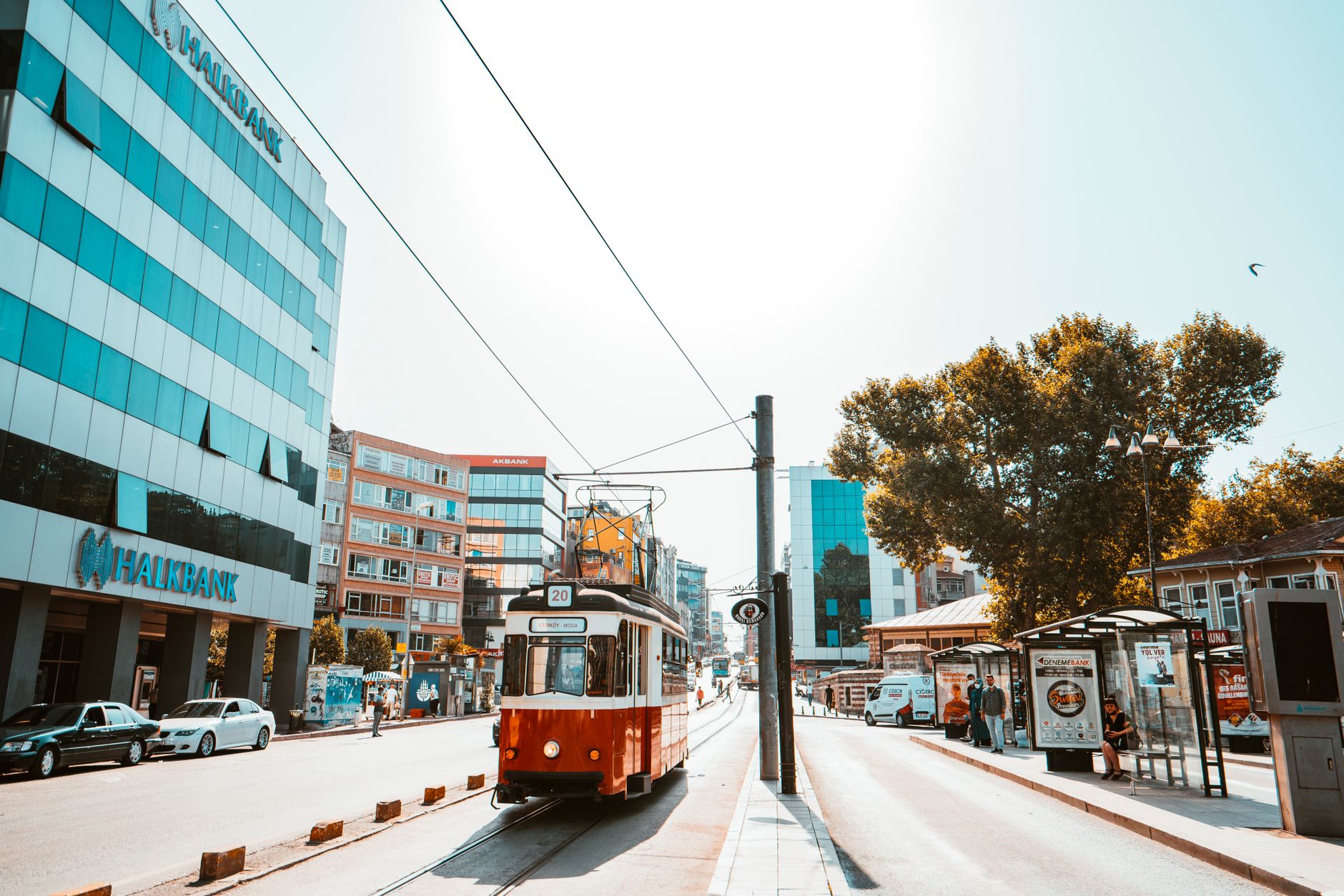
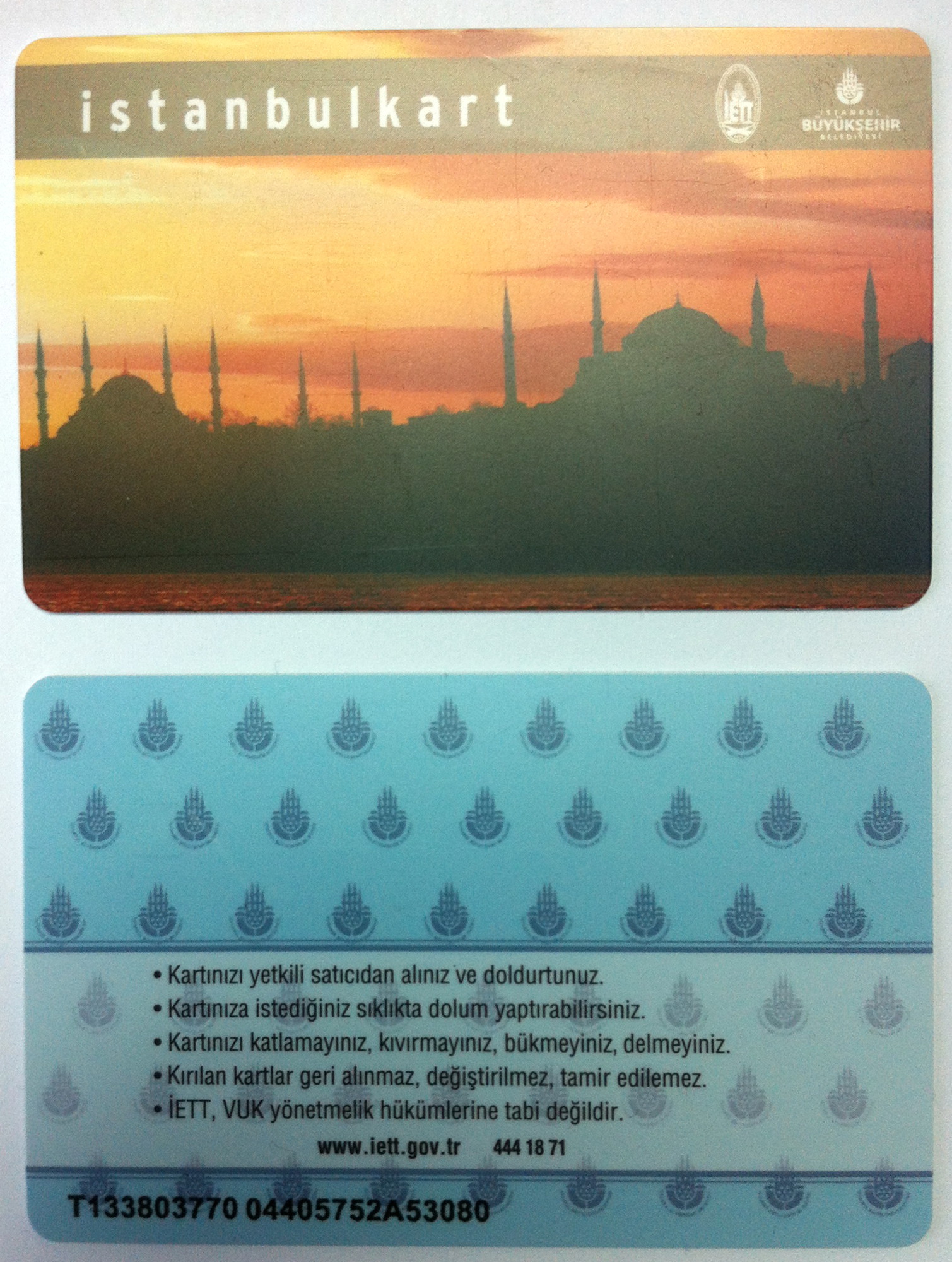
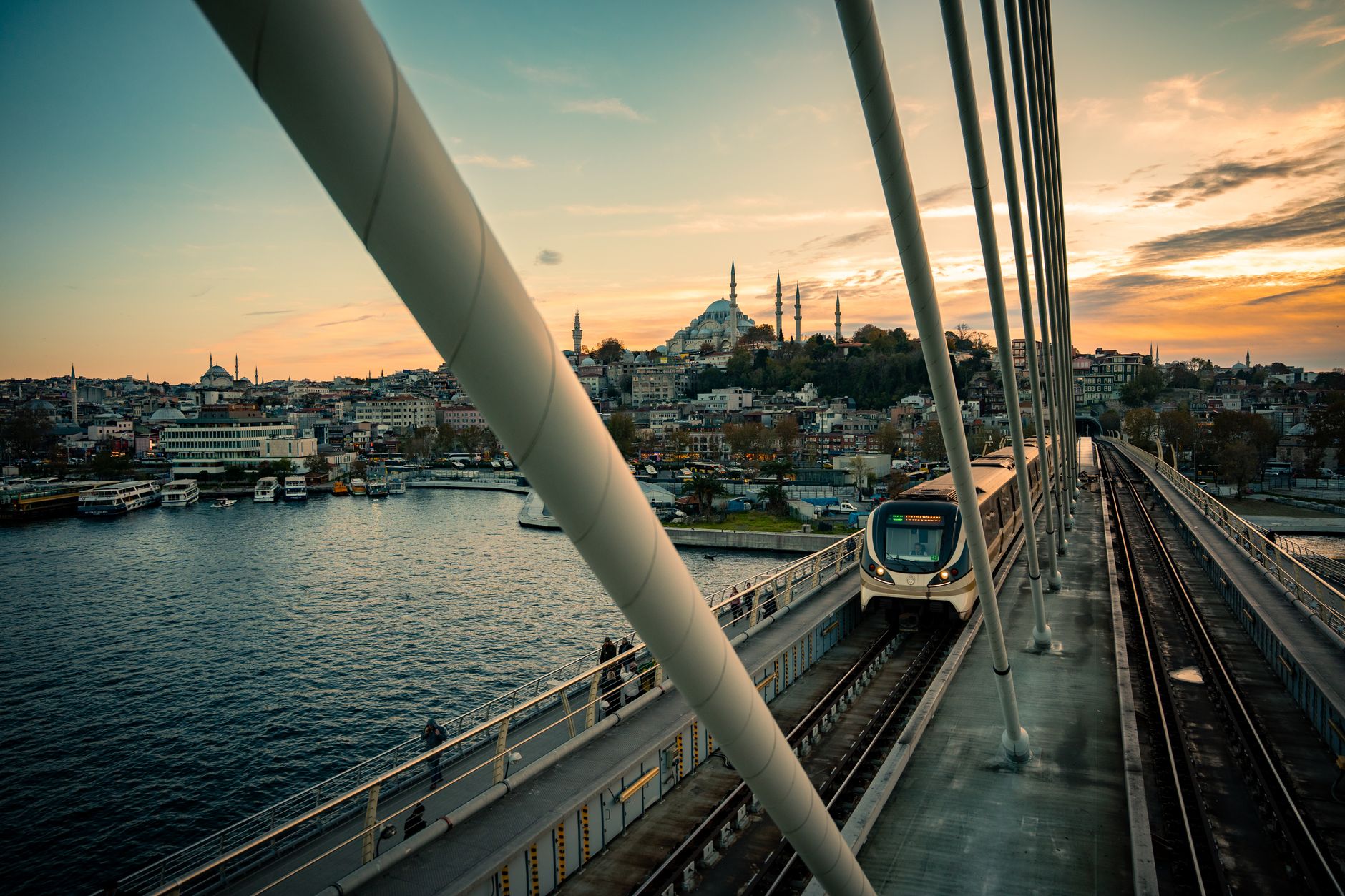
İstanbulkart is a single rechargeable card that pays for almost every form of public transport in Istanbul: the trams, the metro lines, city buses, the funiculars up the steep hills, Marmaray under the Bosphorus, and the public ferries across it. You tap it on a reader at entry (and on some lines at exit too), and a transfer made within a set time window costs less than a fresh fare. That is the system as designed. It is not, however, the whole of how people move around the city — and the gap between the two is where visitors lose money or miss a departure.
The structure: one card, tap-based fares, discounted transfers
The card is contactless and prepaid. You buy it once — from a vending machine at any metro or tram station, or from some kiosks — and top it up with cash or, at newer machines, a bank card. Each tap deducts a fare; a second tap within the transfer window costs less than the first, and the discount steps down with each further transfer inside that window. The exact fare, the transfer window in minutes, and the discount schedule are all set by the operators and revised periodically, so this article does not print a figure. The current numbers are published by İstanbulkart’s own site, and the bus and metrobüs network specifically by İETT, the city’s bus operator. Check either before a trip rather than trust anything printed here or anywhere else with a date on it.
The one point worth holding onto, because it changes how a visitor should think about the water: the public ferries run by Şehir Hatları take the same İstanbulkart as the tram, at the same kind of fare as a bus ride. A ferry across the Bosphorus is a commute, not an excursion, and it is priced like one. The boats moored at the same piers offering paid “Bosphorus cruises” are a different, private product entirely, at a different order of price, for the same stretch of water. More on that distinction below, because it is the first of four places where the card stops working.
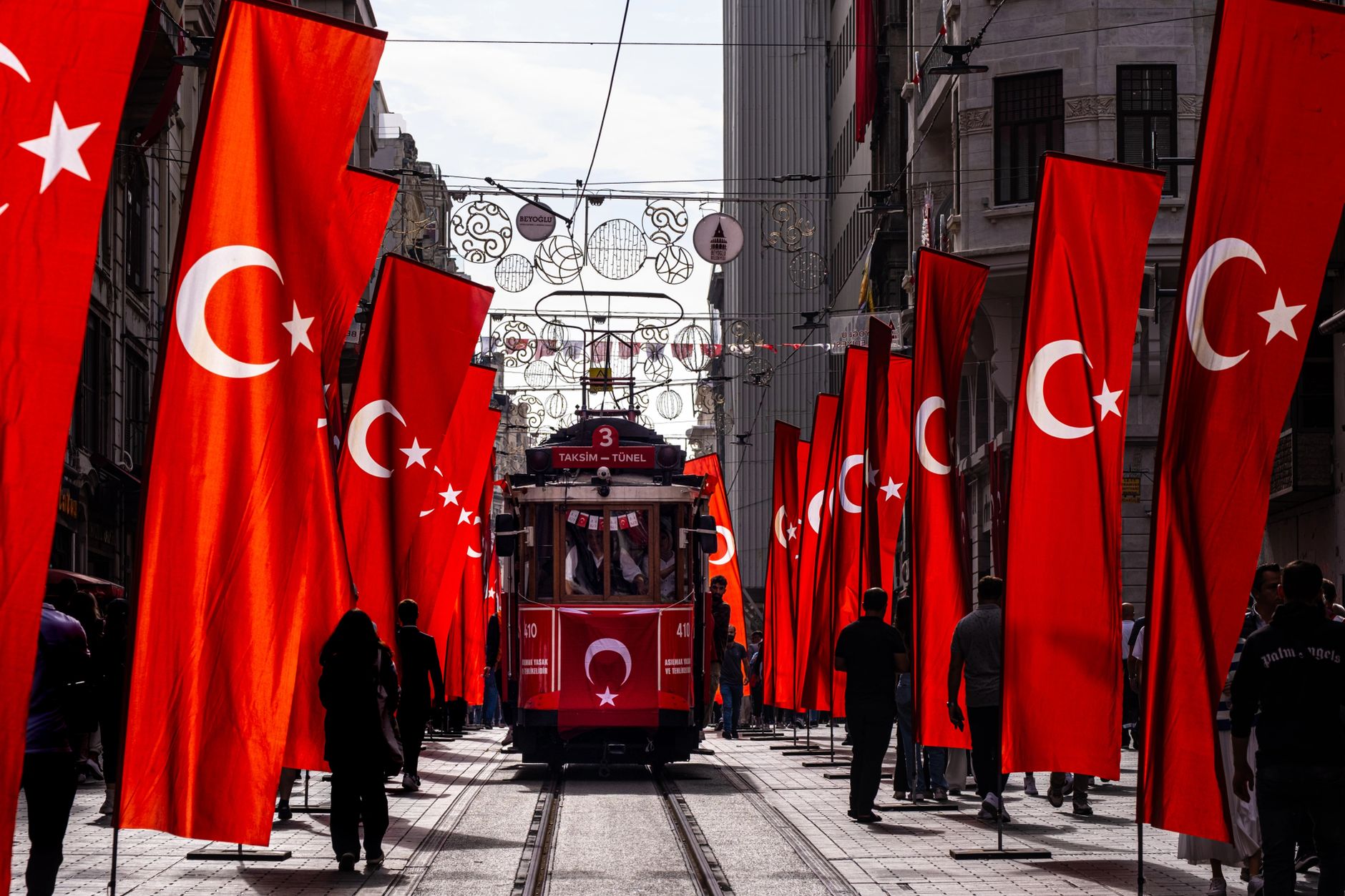
Four kinds of Istanbul transport the card does not touch
İstanbulkart’s coverage is wide but not universal, and the gaps are not obscure — they are four categories a visitor is likely to run into within the first two days, precisely because they sit right next to services the card does cover.
- Dolmuş minibuses. A dolmuş is a shared minibus running a fixed route but on informal timing, common on routes the metro and tram do not reach. These are typically owner-operated and take cash only, paid to the driver or passed hand to hand toward the front. There is no card reader.
- Intercity coaches from the otogars. Istanbul’s long-distance bus terminals — chiefly on the European side at Esenler — sell tickets for journeys to other cities through the individual coach companies, either at a counter or through the company’s own app or website, not through İstanbulkart. The card gets you to the otogar on the metro; it does not get you onto the coach.
- HAVAIST airport shuttle buses. HAVAIST runs the scheduled shuttle service between Istanbul Airport and points across the city. It is ticketed separately from the standard city network — through its own app, its own kiosks, or a ticket bought on board — and İstanbulkart is not the payment method. HAVAIST’s own site lists current routes and how to pay for a seat.
- Independent Bosphorus tour boats. These are privately operated sightseeing cruises sold near the same piers as the public ferries, priced as a leisure product rather than a transit fare, and ticketed on their own terms — cash or card at a booth, not İstanbulkart. The public alternative, covered by the card, is the Şehir Hatları ferry network, whose routes and current fares are published by Şehir Hatları itself.
The pattern behind all four is the same: İstanbulkart belongs to the network run or franchised by the city’s own transport authorities. Anything operated privately and sold as its own product — a coach seat, a shuttle ticket, a tour cruise, a dolmuş fare collected by hand — sits outside that network and wants its own payment, in cash or through its own app.

What this means for planning a visit
For a reader deciding how to move around the city day to day, the practical rule is to default to İstanbulkart for anything with a fixed stop and a card reader — tram, metro, bus, funicular, Marmaray, the Şehir Hatları ferries — and to carry some cash and expect a separate purchase for the four cases above. This site’s own approach to publishing detail like fares and timetables is explained on the About page, and readers who want to know what browsing this site itself involves can read the privacy policy. Both pages set out the same principle that shapes this article: a durable structure is worth publishing; a number that changes by the month is not, and readers deserve to be told where to check it rather than handed a guess.
Anyone weighing where to stay, and therefore which side of the transport network they will use daily, will find that question addressed directly in other Access Istanbul planning pieces; the About page also explains how this editorial team works from published sources rather than firsthand visits, which is the same reason no fare figure appears above. For the transfer-discount window, the current top-up locations, and the fare bands themselves, the operator pages linked above are the only sources this site treats as current, and it is worth checking them again close to travel rather than relying on a screenshot from a previous trip — fares here, as everywhere, are revised more often than most visitors expect.
Readers who want the general mechanics of the card layered against how this site is fact-checked and funded can start from the About page; questions about what the site itself records when you read it are answered on the privacy policy page.
Access Istanbul is an independent guide written from published, checkable sources. We have not visited the places described here and we do not publish personal recommendations or invented ‘local favorites’ — where something is singled out as notable, we say who says so. Opening times, fares, closures and prices change at short notice, so treat everything here as a starting point and confirm with the museum, operator or venue directly before building a day around it. We give no advice on visas, insurance, health or safety; use your own government’s official guidance for those.