_in_Be%C5%9Fikta%C5%9F,_Istanbul,_T%C3%BCrkiye_(Ank_Kumar,_Infosys_Limited)_04.jpg)
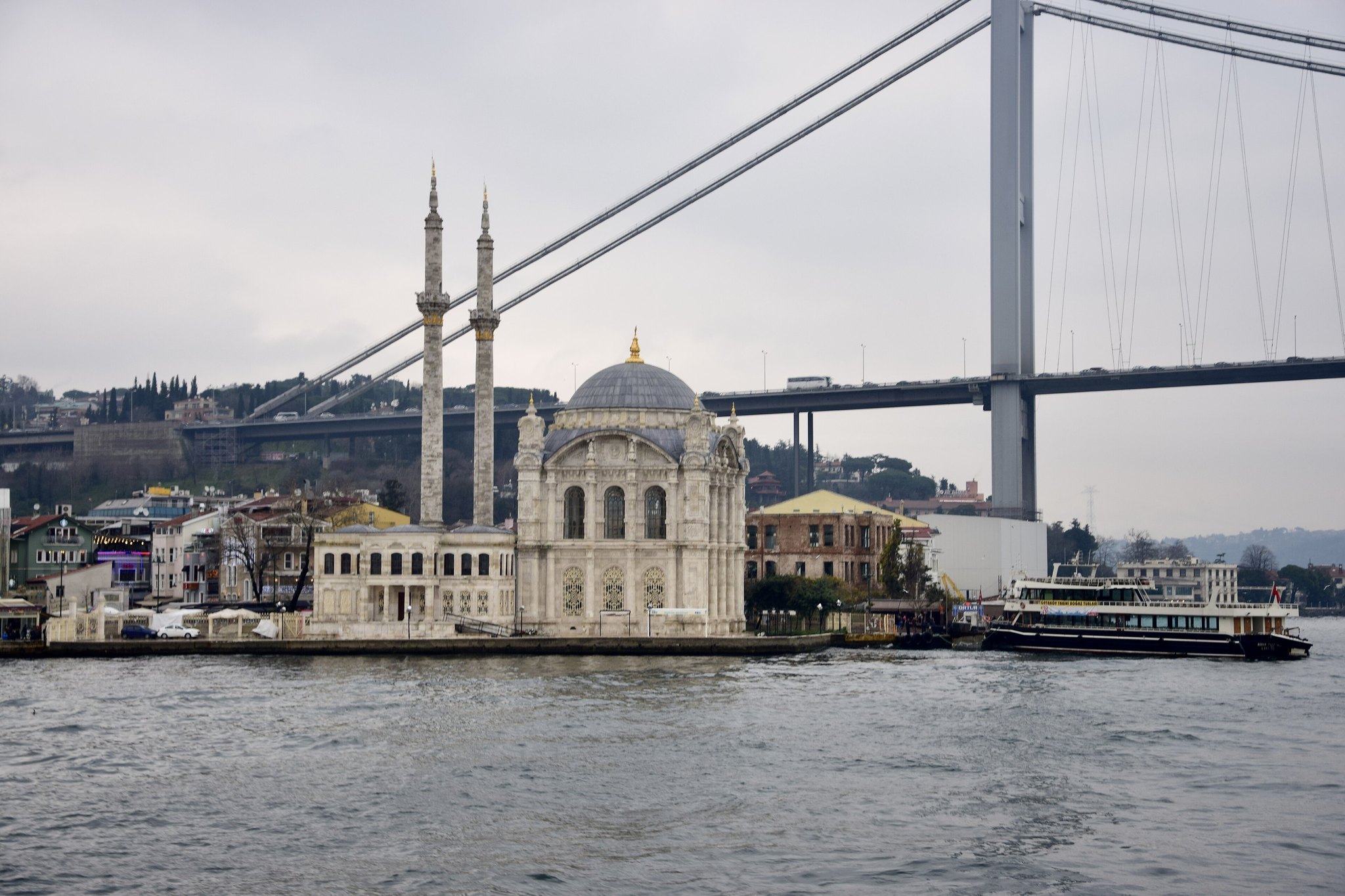
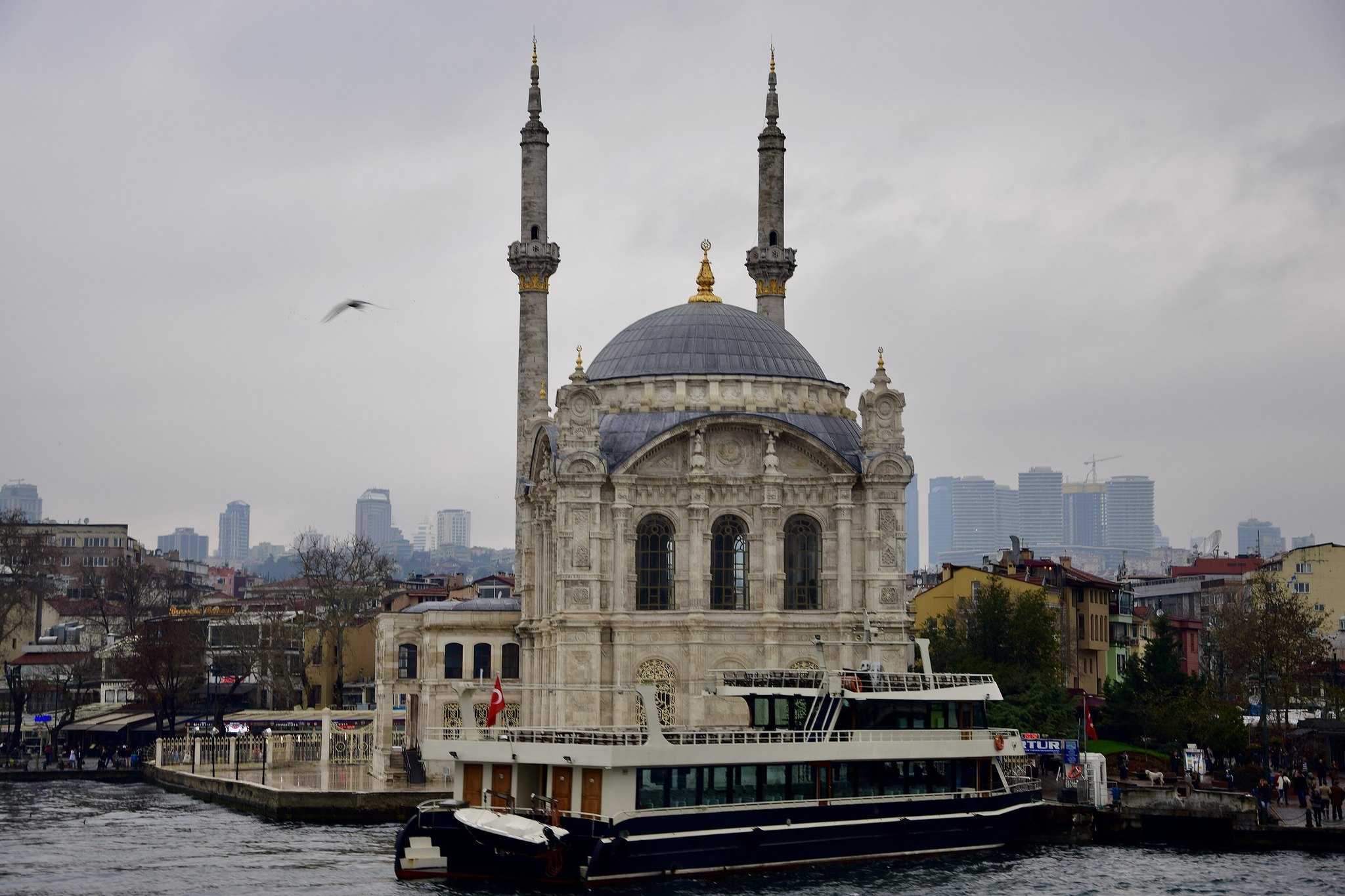
A small baroque mosque of 1856 standing at the water’s edge with the first Bosphorus bridge rising directly behind it. The juxtaposition is the whole photograph, and it is one of the few in Istanbul that is better in life than in pictures.
It was designed by Nigoğayos Balyan, of the Armenian family of architects who built most of the nineteenth-century Bosphorus palaces including Dolmabahçe — which is why a mosque here looks like a small opera house.
What it costs
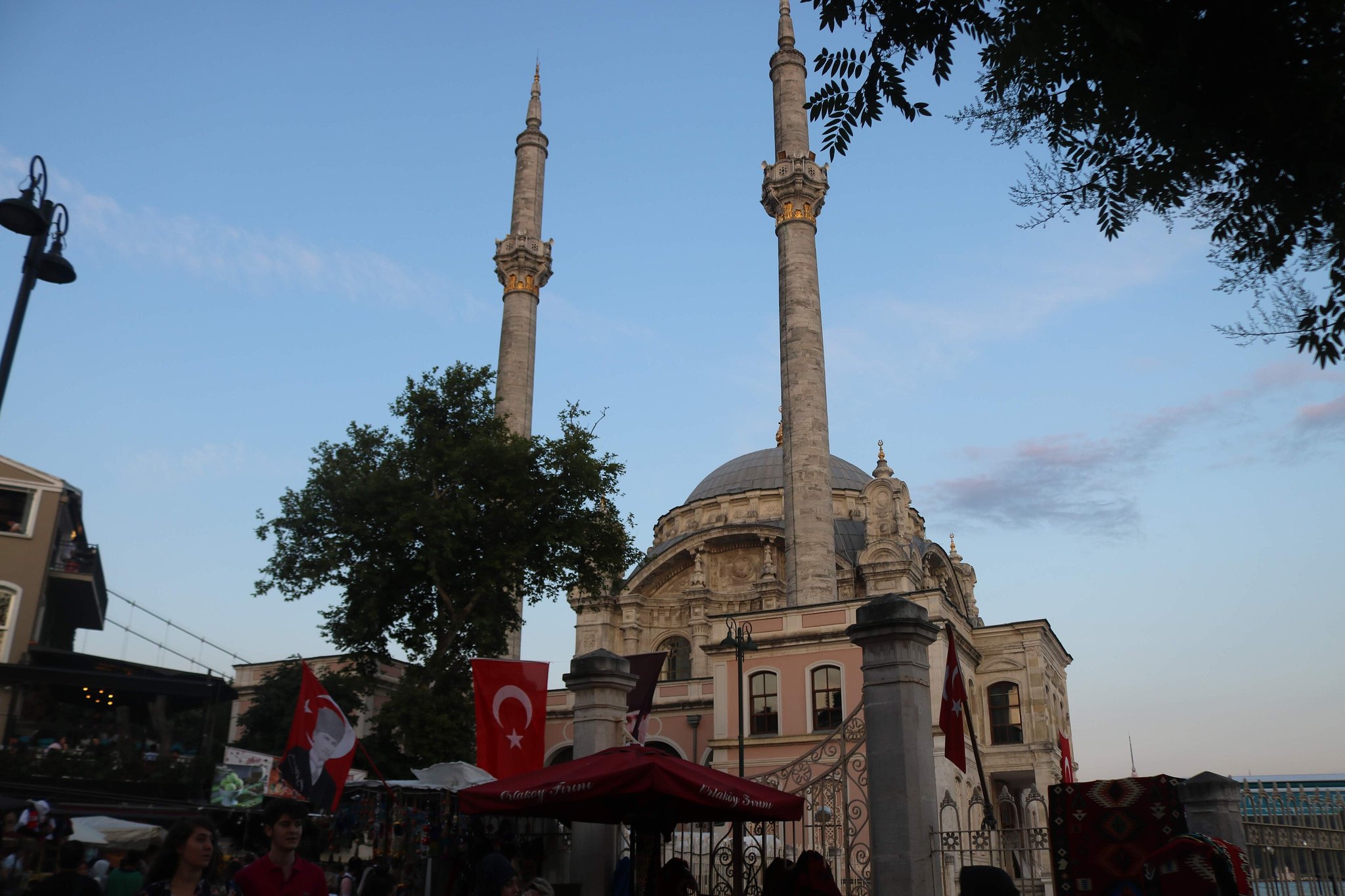
Free. The square around it is free as well, and busy every evening.
When to go
Late afternoon into dusk, when the bridge lights come on and the mosque is lit. Sunday is the neighbourhood’s market day and the square is packed.
It closes to visitors around the five prayers like any working mosque, and it is small enough that a single tour group fills it.
_in_Be%C5%9Fikta%C5%9F,_Istanbul,_T%C3%BCrkiye_(Ank_Kumar,_Infosys_Limited)_02.jpg)
Getting there
Bus or ferry along the Bosphorus from Beşiktaş or Kabataş; there is no tram or metro at the door. Coming by water is much the better arrival.

If you only have an hour
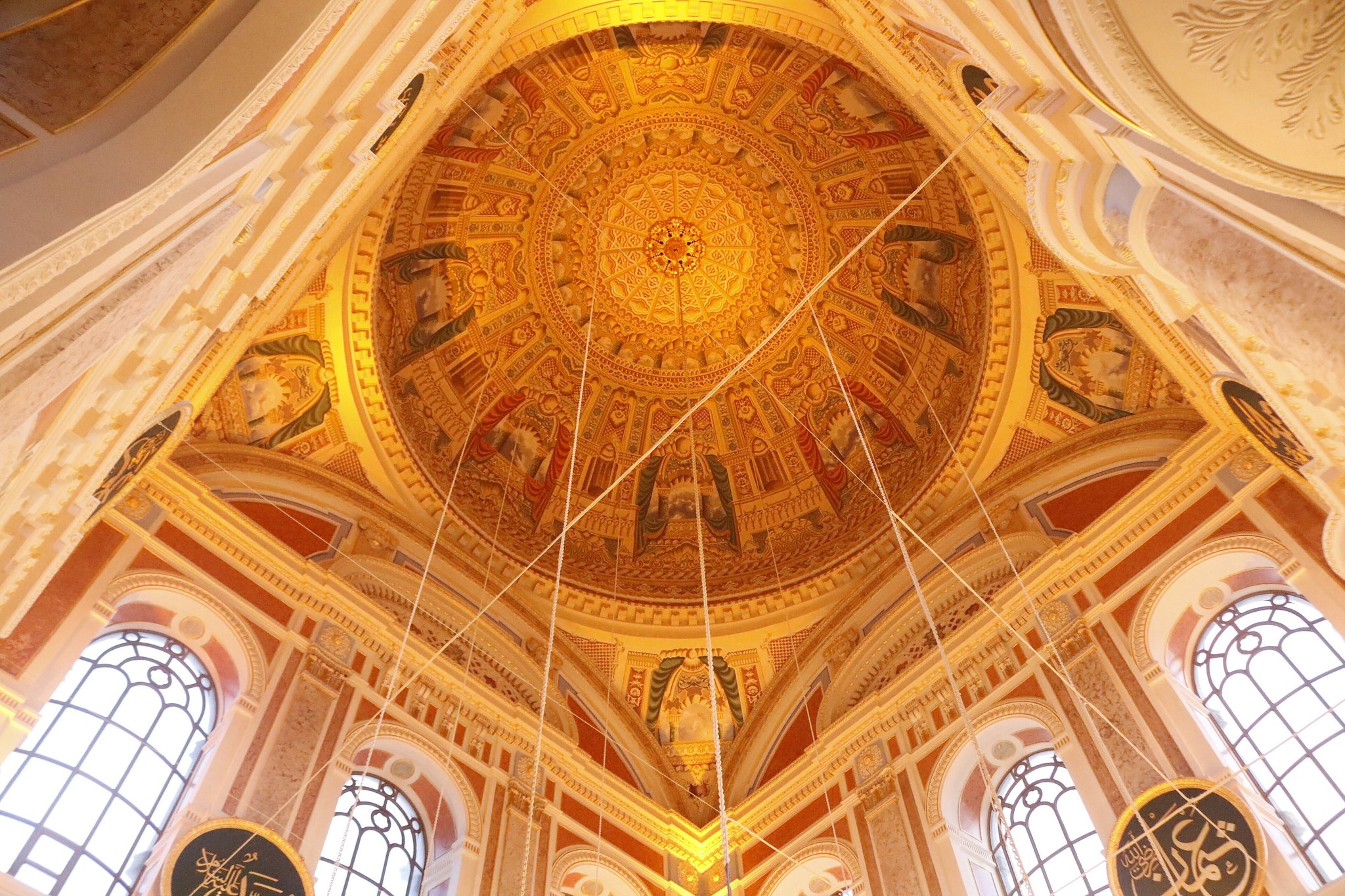
Look at the mosque from the little jetty to its left, which is the angle that puts the bridge behind it. Then go inside — it is one room, gilded and full of light, and takes five minutes.
Then walk north along the water for ten minutes towards Kurucesme. The path runs under the bridge and the crowd thins within two hundred metres, and the view back at the mosque with the span above it is better from there than from the square.
What people get wrong
Coming all the way for the kumpir, the loaded baked potato the square is known for, and finding a queue of forty. Come for the building.
Also worth knowing: Ortaköy is one of the commonest place names in Turkey — it simply means “middle village” — so an image search will hand you villages in Aksaray and Çorum.

Nearby
Ticketing arrangements, prayer-time closures and opening patterns as published and checked on 5 September 2026. These change without much warning — confirm with the place itself before you travel. More sights, and how they fit together, in Landmarks & Sights.