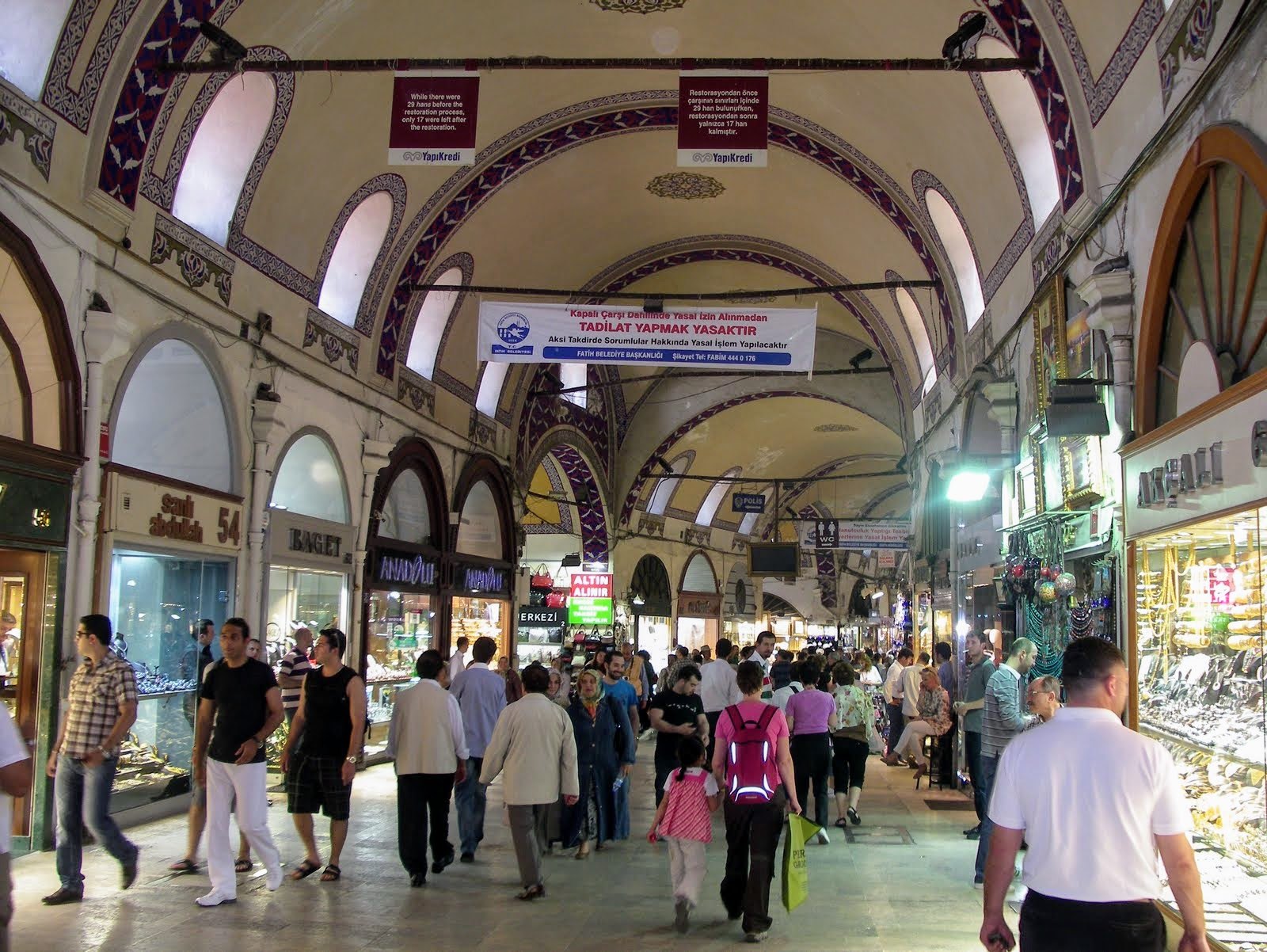

Sixty-odd covered streets and something like four thousand shops under one roof, trading continuously since the 1450s. It is a working market with a postcode, not an attraction, and the parts tourists see are a fraction of it.
What it costs
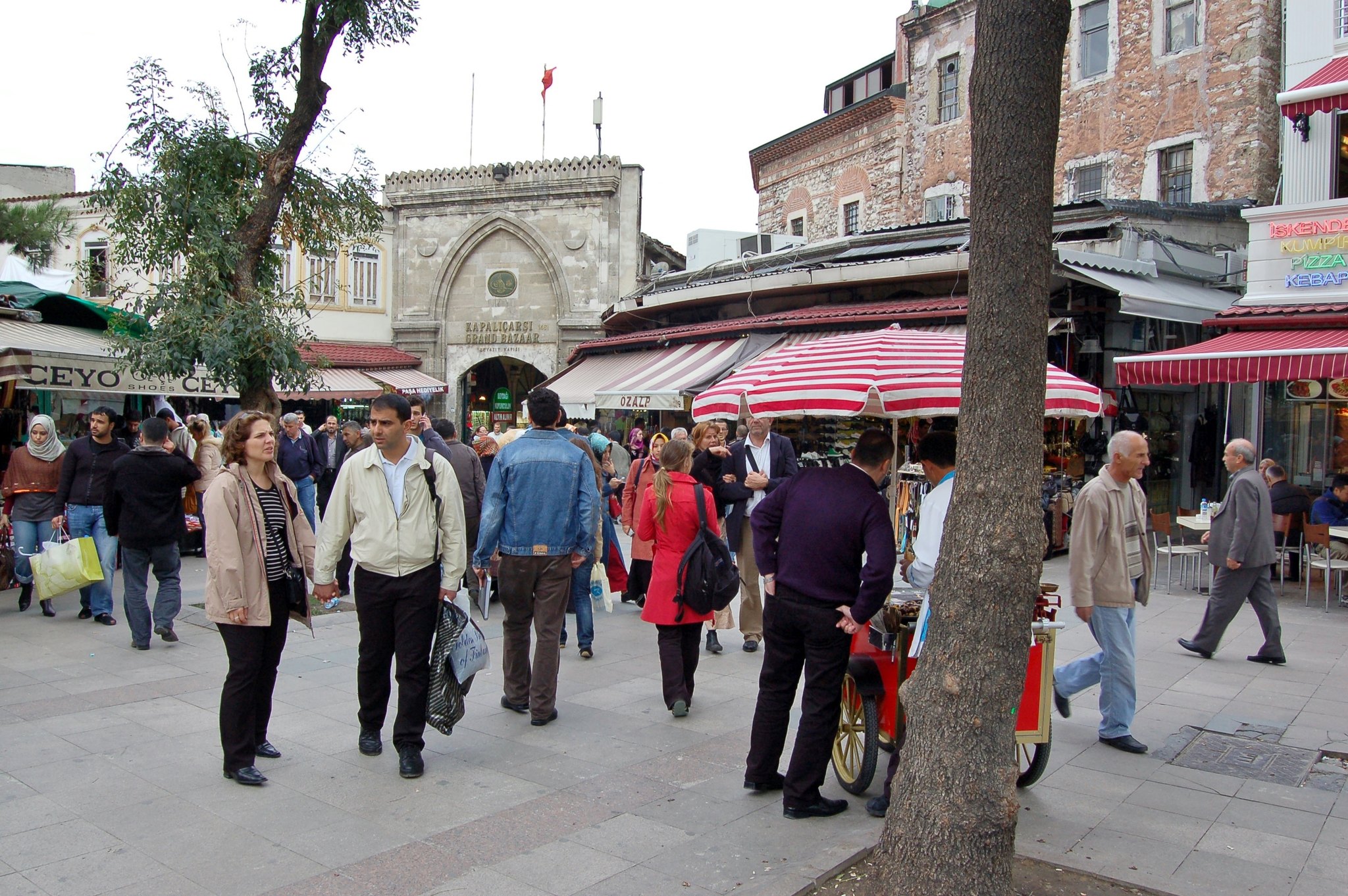
Free to walk into and out of, through any of its twenty-odd gates.
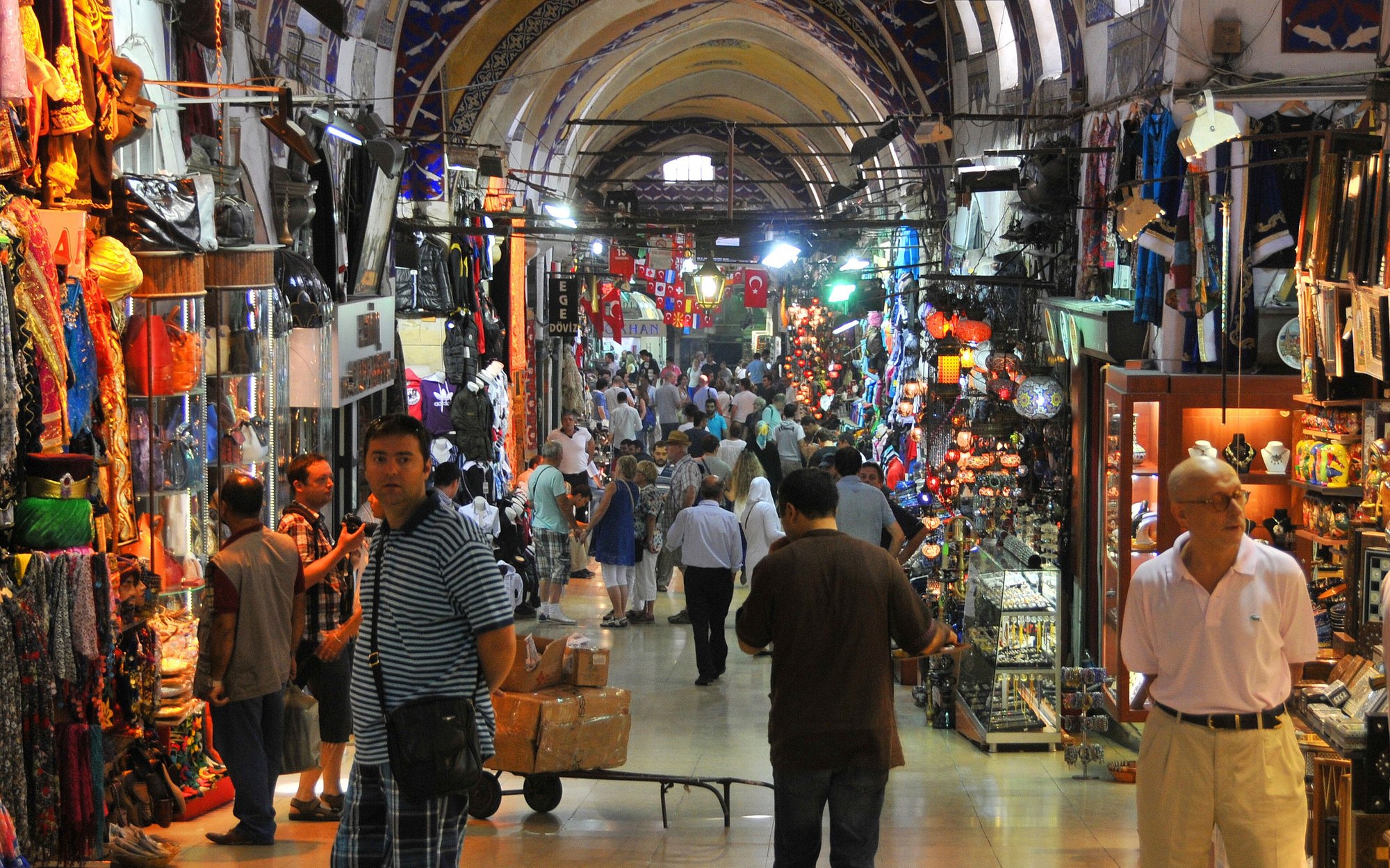
Buying is another matter. The first price on a tourist item is an opening position, not a price. Bargaining here is normal, expected and unhurried — if you are not enjoying it, the fixed-price shops outside the walls are cheaper anyway.
When to go
Closed on Sundays and on public holidays, which strands a great many itineraries. It also closes in the early evening rather than staying open late.
Mid-morning on a weekday is the sweet spot: open, lit, staffed, and not yet full.
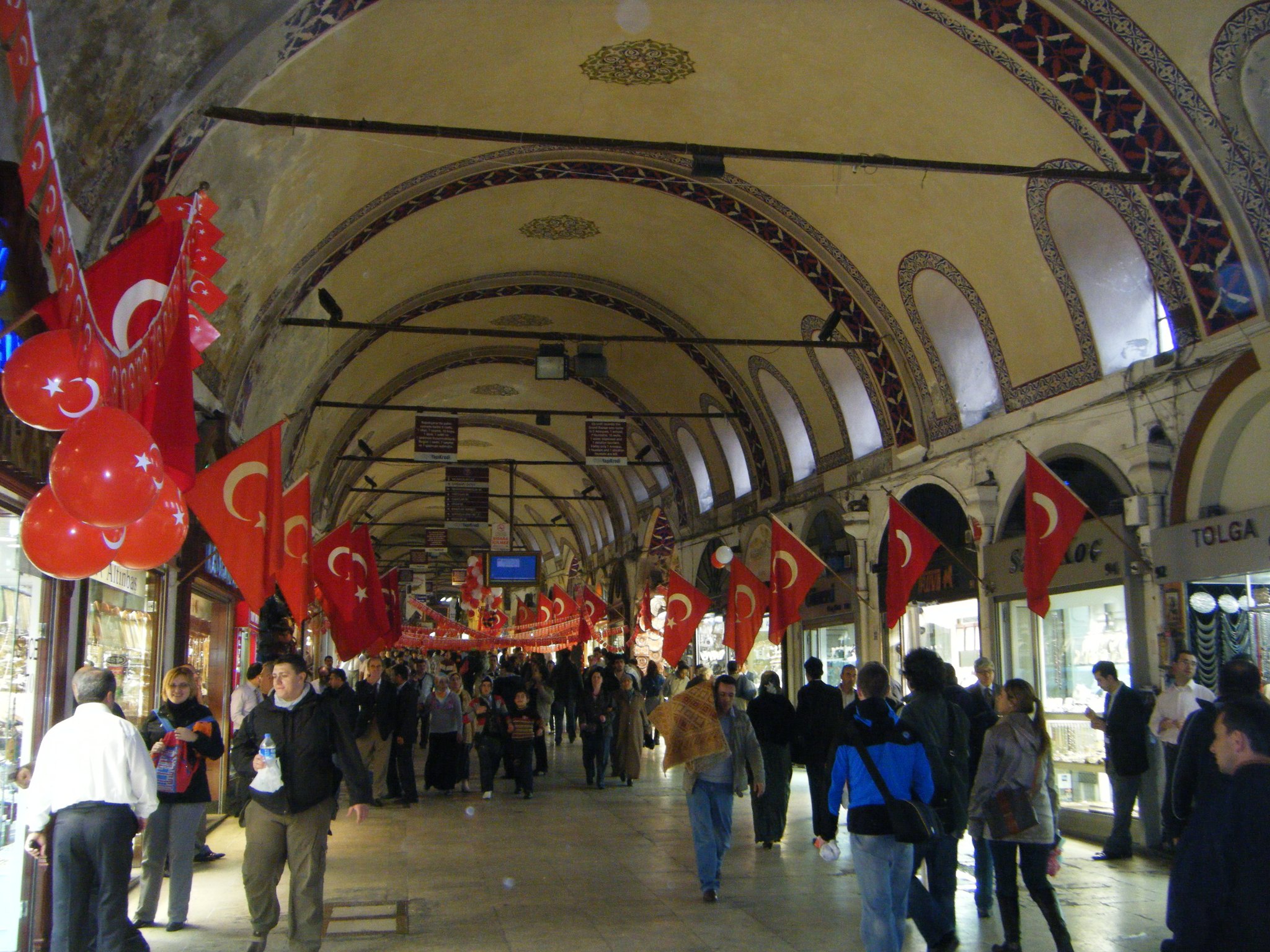
Ramadan changes the rhythm of it: the market is busiest in the evening and much of the food trade shifts later. The two religious holidays close it outright for several days.
.jpg)
Getting there
Beyazıt-Kapalıçarşı on the T1 tram, or walk up from Eminönü through the Spice Bazaar and the streets above it, which is a better introduction than arriving at a gate.
.JPG)
If you only have an hour
Walk the length of Kalpakçılar Caddesi, the wide jewellers’ street under the painted vault, from one end to the other — that is the Grand Bazaar of the photographs. Then turn off it at random. The old hans, the courtyard workshops around the edges, are where it stops being a shopping centre.
If you have longer, find the Zincirli Han or the Cebeci Han — open courtyards ringed with small workshops where things are still made rather than sold. They are unmarked and easy to walk past, and they are the oldest working part of the whole complex.
What people get wrong
Confusing it with the Spice Bazaar, which is a different building twenty minutes downhill, much smaller, and open on Sundays. Even photograph libraries mix the two up.
And treating the first shop as representative. The same object is on sale at fifty stalls at forty different prices.

Nearby
Ticketing arrangements, prayer-time closures and opening patterns as published and checked on 5 September 2026. These change without much warning — confirm with the place itself before you travel. More sights, and how they fit together, in Landmarks & Sights.