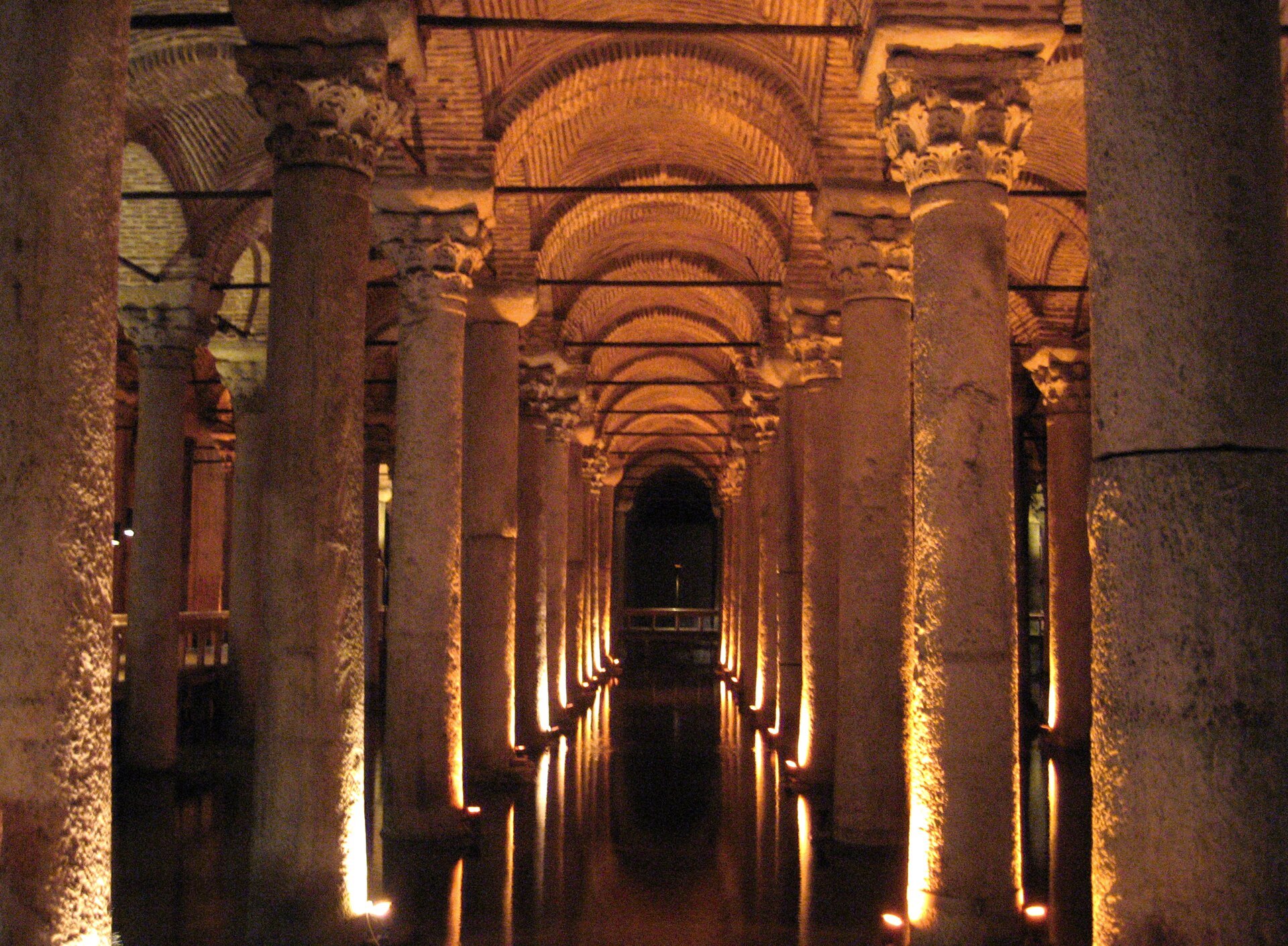

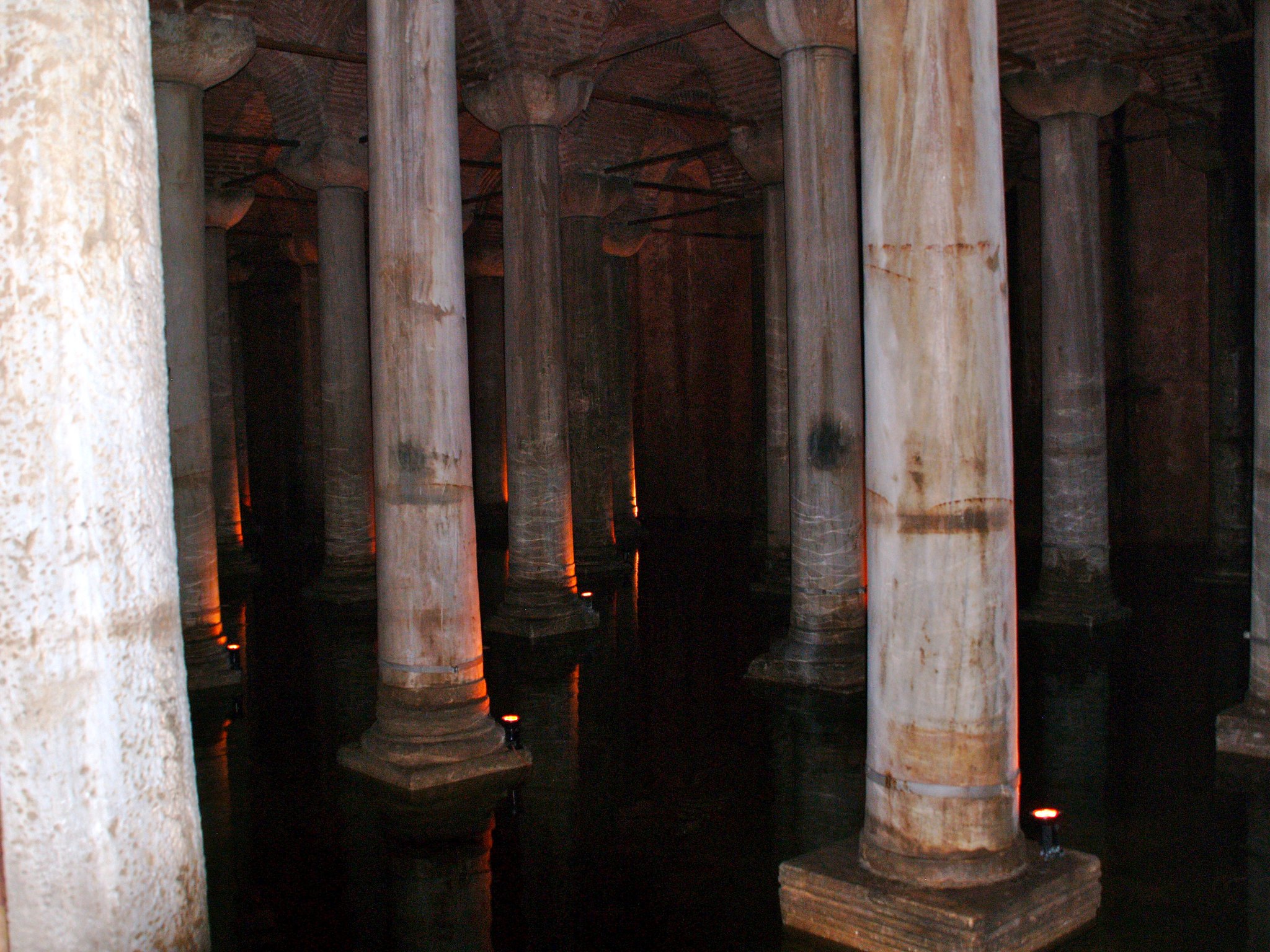
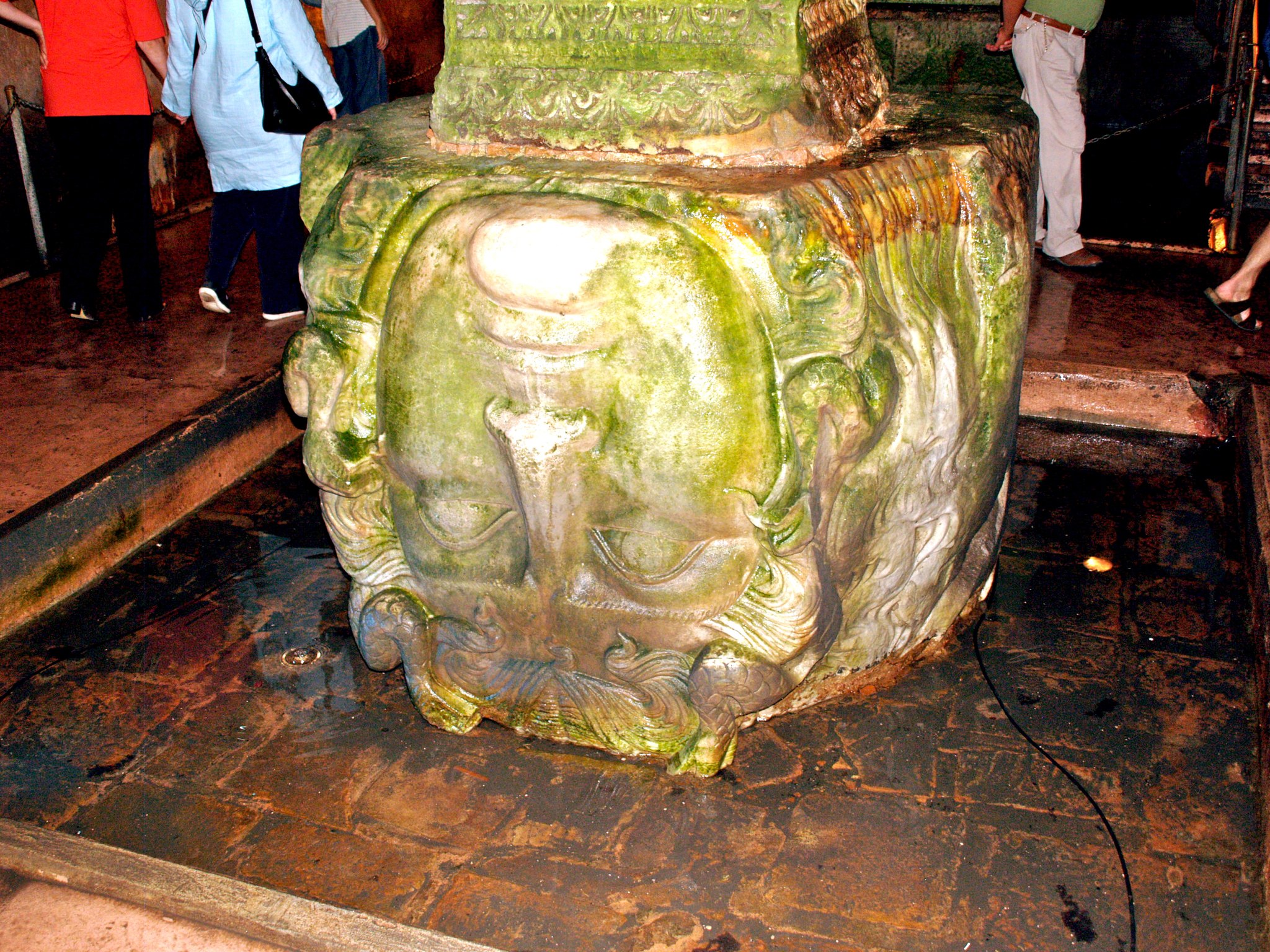
A sixth-century underground reservoir the size of a cathedral, its roof carried on 336 columns scavenged from older buildings, still holding a shallow film of water. Two of the column bases are carved Medusa heads, one on her side and one upside down, and nobody knows why.
It was built to supply the Great Palace and stayed in use into the Ottoman period, when it was largely forgotten — rediscovered, the story goes, because people in the houses above were hauling up buckets of water, and sometimes fish, through holes in their basements.
What it costs
Ticketed, with a higher evening rate. Timed entry, and in summer the slots for the same day go early — book ahead if your plan depends on it.
When to go
It is underground, so weather is irrelevant, which makes it the obvious thing to do on the one wet afternoon of your trip — and everyone else has had that thought too.
The lighting was rebuilt in the 2022 restoration and is now theatrical rather than gloomy. Whether that is an improvement is a matter of taste, but it does mean the photographs you have seen may not match what you walk into.
_(3944831563).jpg)
Getting there
Sultanahmet tram stop. The entrance is a small, easily missed building across the road from Hagia Sophia — look for the queue rather than the door.

If you only have an hour
Walk to the far corner first, where the two Medusa heads are, then come back through the middle slowly. The columns only give you the sense of the space from inside the grid, not from the walkway at the edge.
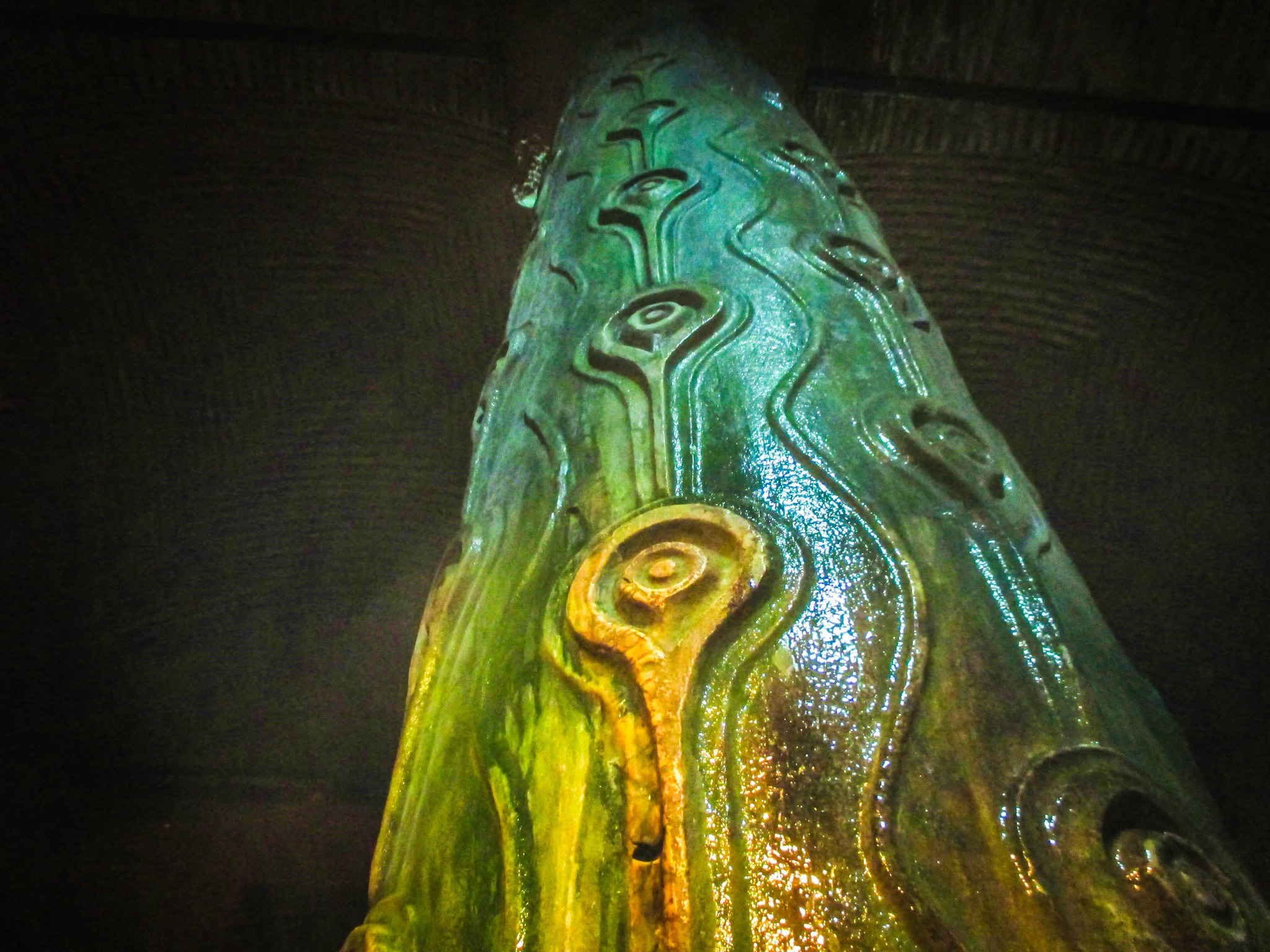
Look up as well. The two brick vaults over each bay were built to carry a hundred thousand tonnes of water, and the columns are all different because they were taken from wherever was convenient — count the capitals and you are counting demolished buildings.
What people get wrong
Thinking it takes an hour. Most people are through in twenty-five minutes. Book it next to something else rather than as an afternoon.
_(3944835449).jpg)
Nearby
Ticketing arrangements, prayer-time closures and opening patterns as published and checked on 5 September 2026. These change without much warning — confirm with the place itself before you travel. More sights, and how they fit together, in Landmarks & Sights.